

Home » Learn about Woodland Stewardship » Create Wildlife Habitat in Your Woods
Create Wildlife Habitat in Your Woods
Create Wildlife Habitat in Your Woods
This page is under construction. Please check back later for the final public version.
Related webpages
Here in Wisconsin, we are fortunate to have a wide array of native wildlife, from the wood frogs and migratory songbirds whose singing marks the coming of spring to the turkey and deer who make possible countless families’ cherished hunting traditions. Regardless of how you interact with them, getting to see and hear wildlife is one of the joys of spending time in woodlands. Keep reading to learn how you can help wildlife thrive on your land.
What wildlife do we have in Wisconsin?
The term wildlife generally refers to mammals, birds, reptiles, and amphibians. Many of the things that you can do to benefit wildlife will also benefit fish, insects, and other critters who are just as important to Wisconsin’s ecosystems.
Mammals
About 72 species of mammals call Wisconsin home. This includes large mammals like bears, cougars, elk, deer, and wolves; furbearers like badgers, beavers, fishers, minks, and weasels; and smaller critters like bats, moles, shrews, squirrels, and voles.
Brief paragraph about habitat requirements of mammals TK.
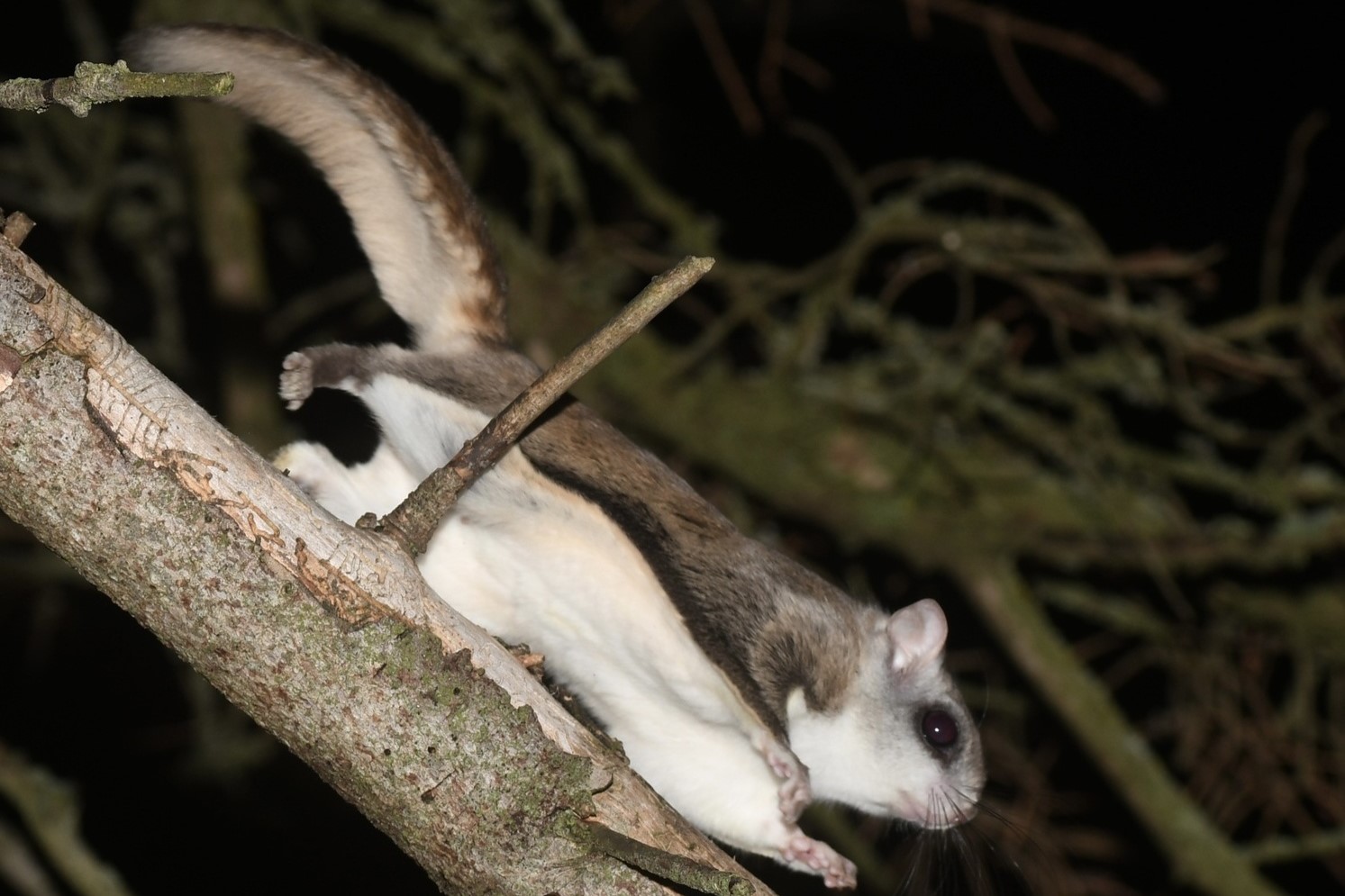
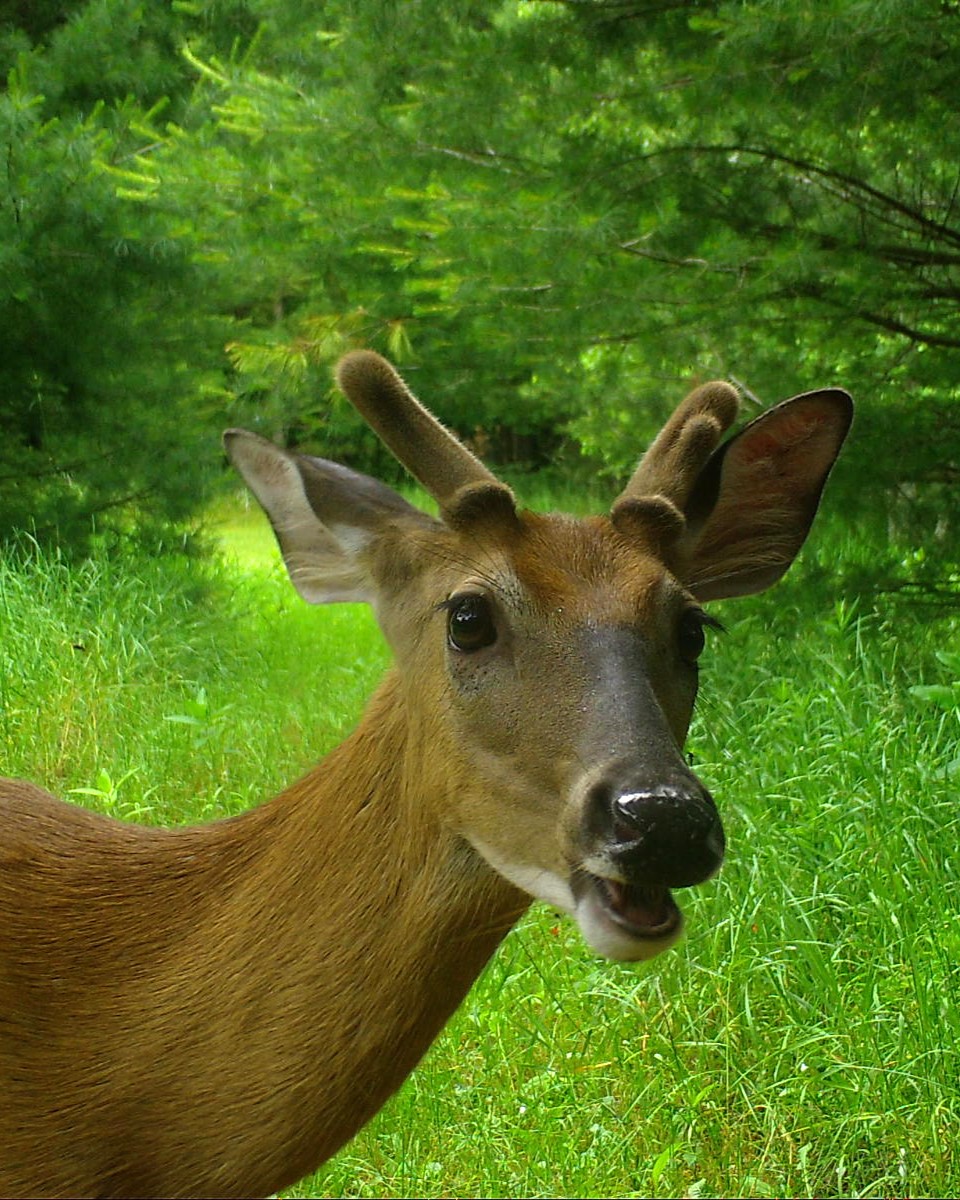
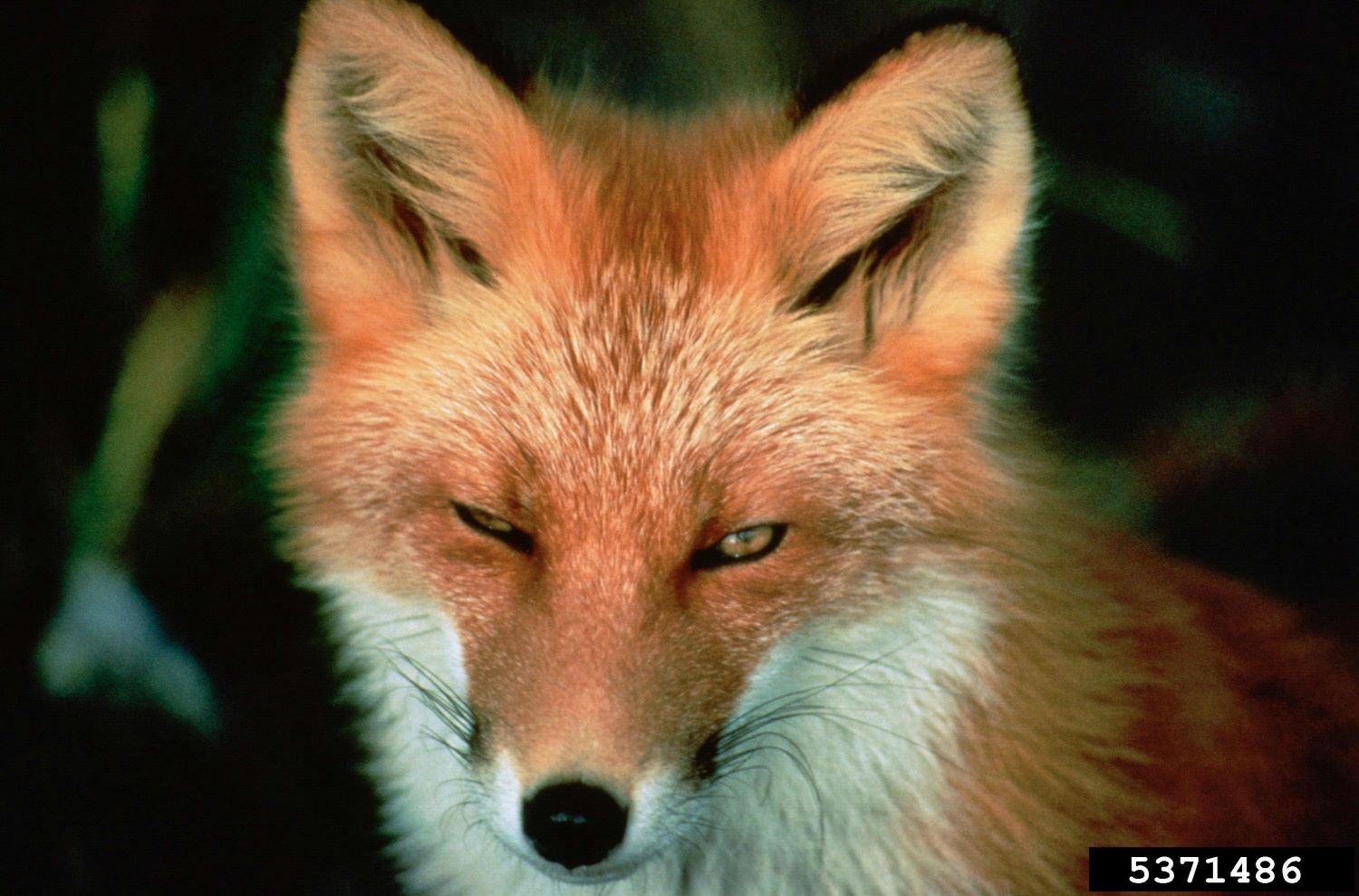
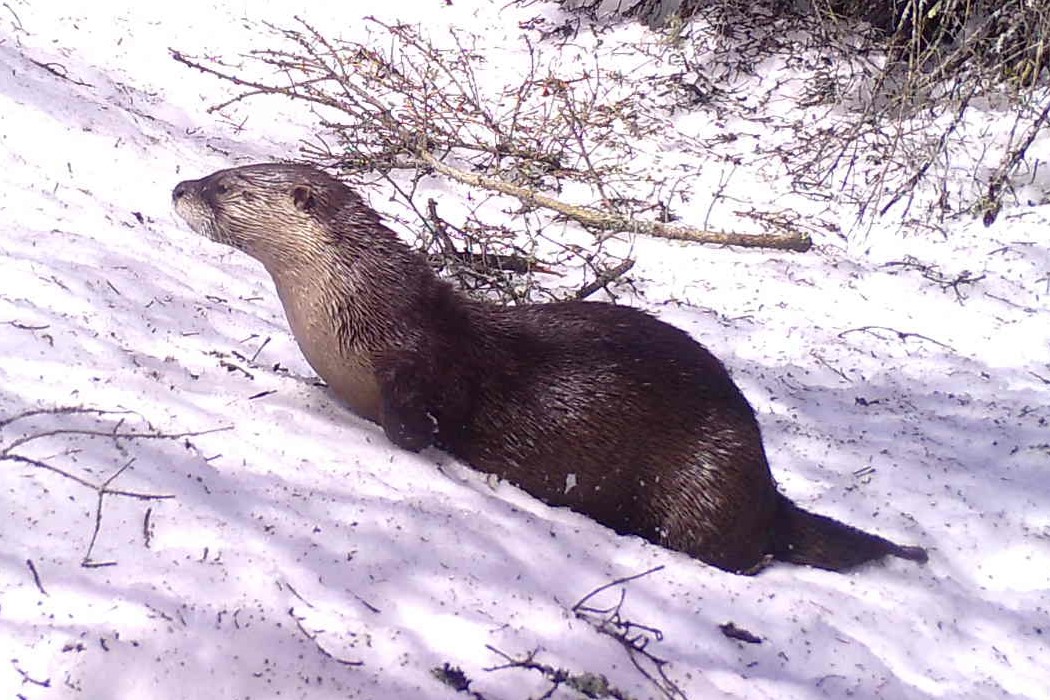
Clockwise from top left: northern flying squirrel, red fox, North American river otter, white-tailed deer.
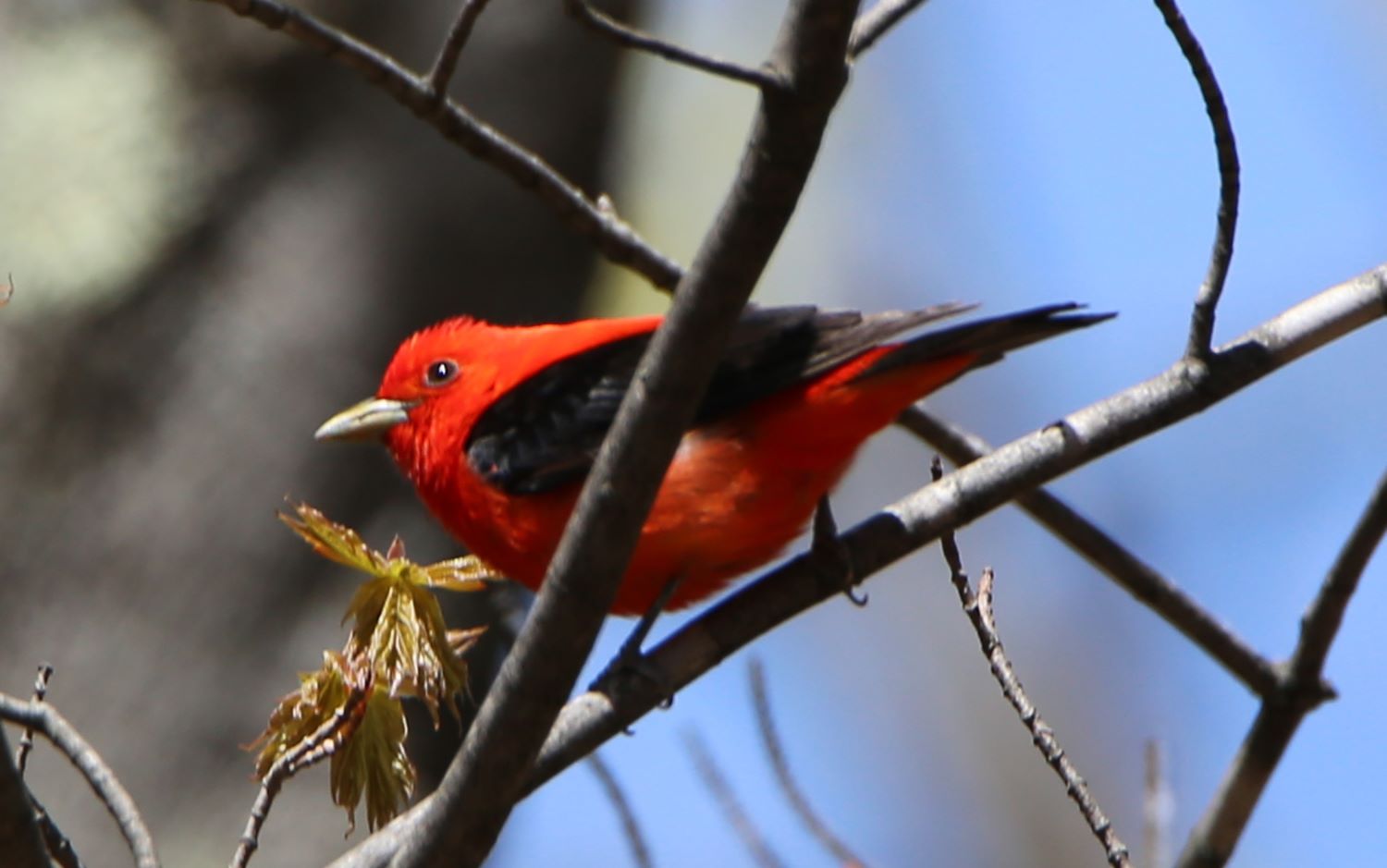
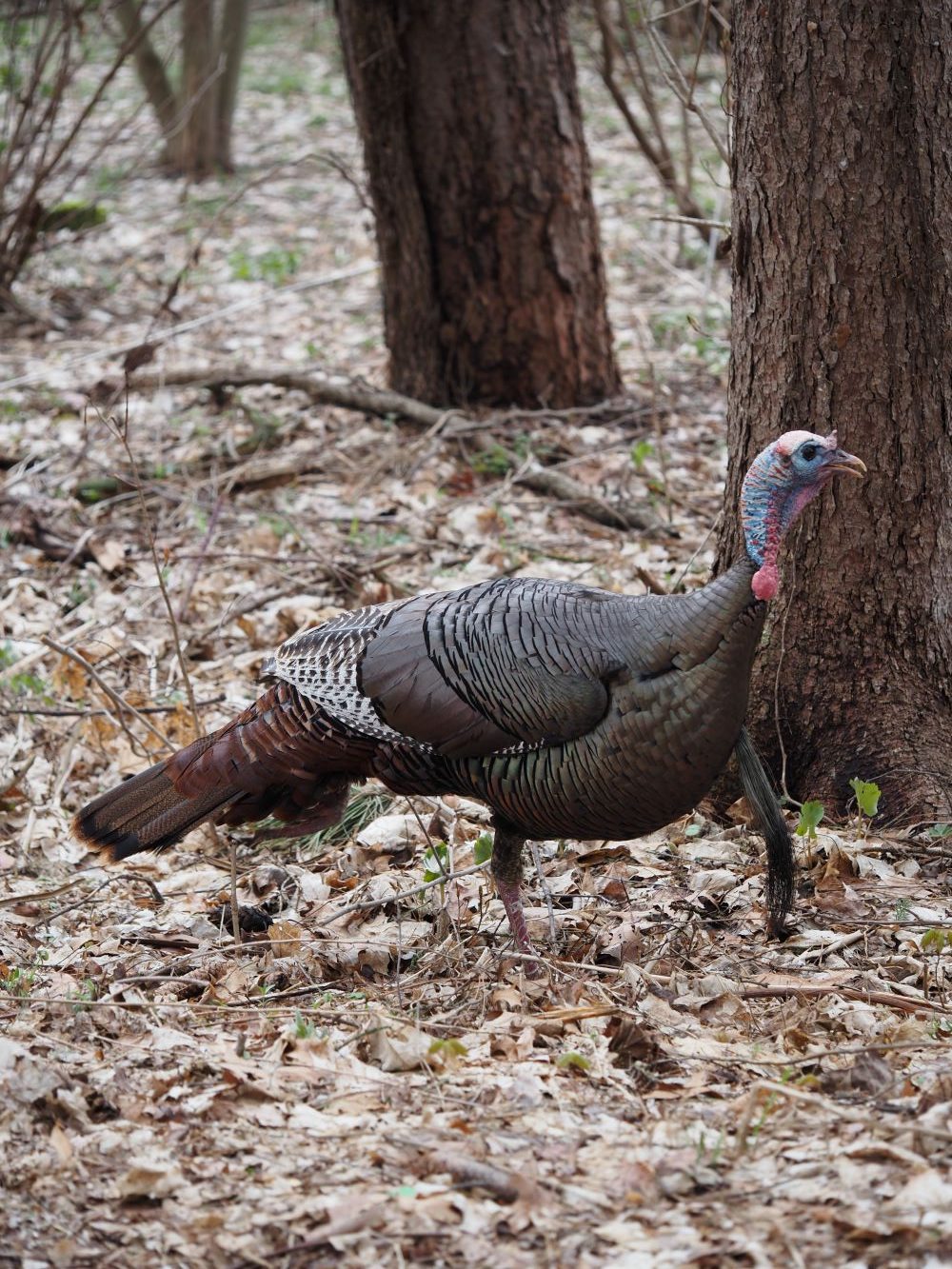
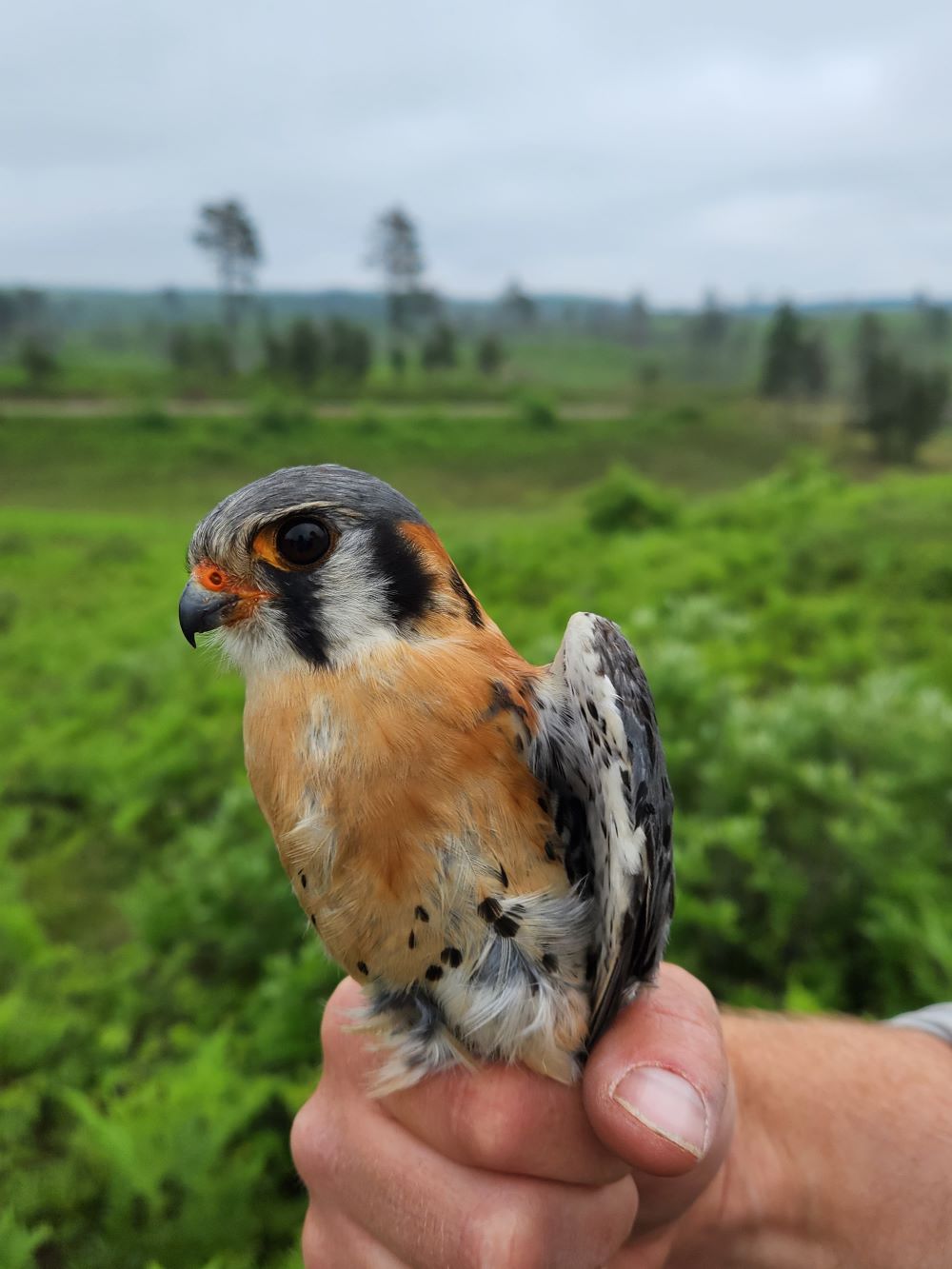
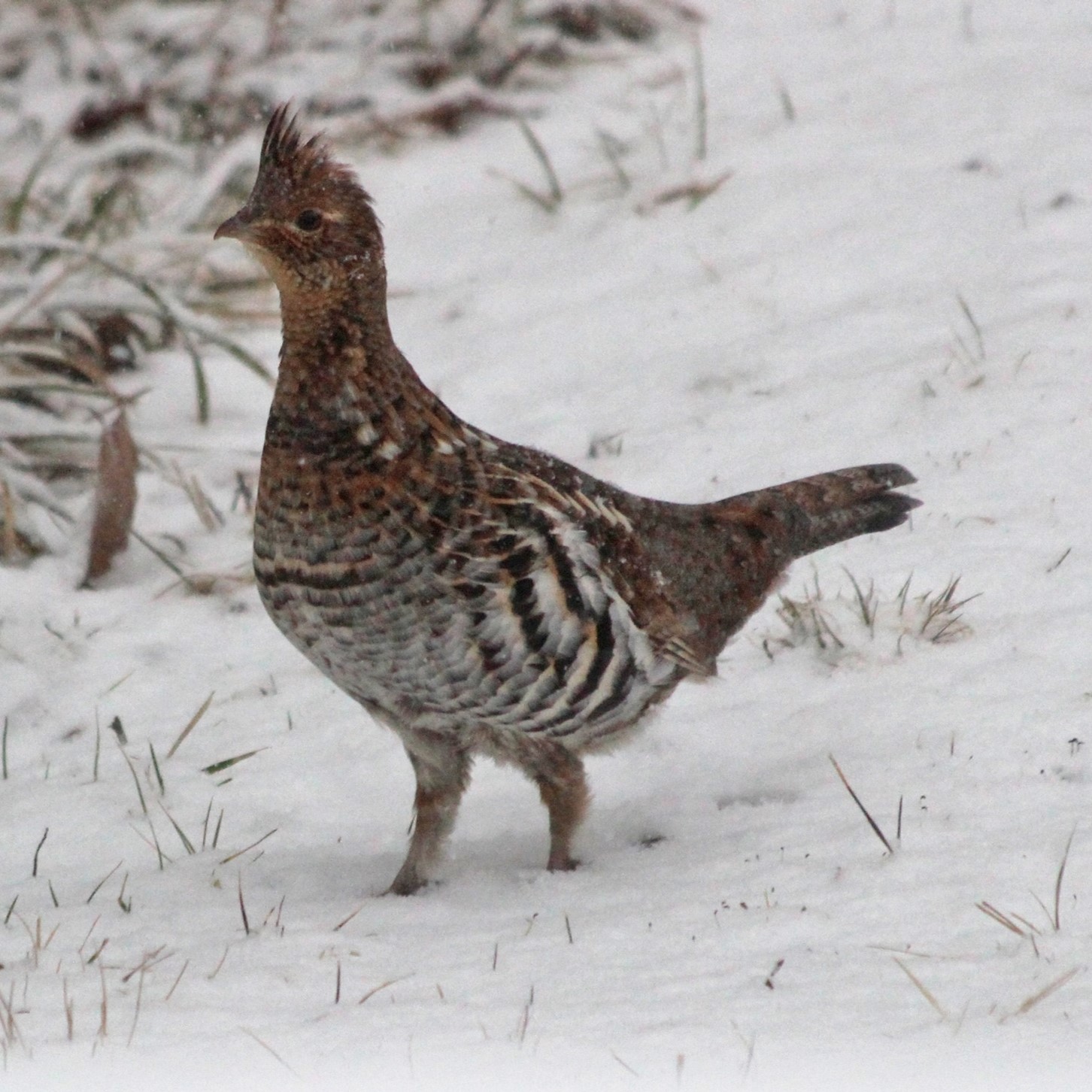
Clockwise from top left: scarlet tanager, American kestrel, ruffed grouse, wild turkey.
Birds
Somewhere between 300 and 400 species of birds can be found in Wisconsin. Some of them live here year-round, some only pass through on their spring and fall migrations, and some spend the winter farther south and come to Wisconsin to breed. Around 228 bird species nest in Wisconsin.
Many of these species depend on forests, but their particular needs vary widely. Some birds (like ovenbirds) prefer forest interiors, while others (like indigo buntings) hang out at the edges between forests and more open areas. Some (like black-throated green warblers) nest high in the canopy, while others (like turkeys) nest in the understory or on the ground. Some depend on specific tree species—for example, ruffed grouse need multiple ages of aspen trees in close proximity in order to thrive.
Reptiles
Wisconsin has 36 species of reptiles, including 21 snakes, 11 turtles, and 4 lizards.
Snakes help keep rodent populations in check, and they are also important prey for owls, hawks, and some furbearers and large mammals. Most of Wisconsin’s snakes prefer little to no tree canopy but do like ground cover like brush piles and shrubs.
All but one of Wisconsin’s turtle species are aquatic or semi-aquatic (the ornate box turtle only lives on land). Some prefer stagnant water, but others prefer rivers. Turtles lay their eggs in uplands, meaning that they need both good upland habitat and good aquatic habitat to complete their life cycle.
Wisconsin’s lizards need sandy soils for burrowing and hibernating. They hibernate for most of the year and are only active from late April or May until early September.
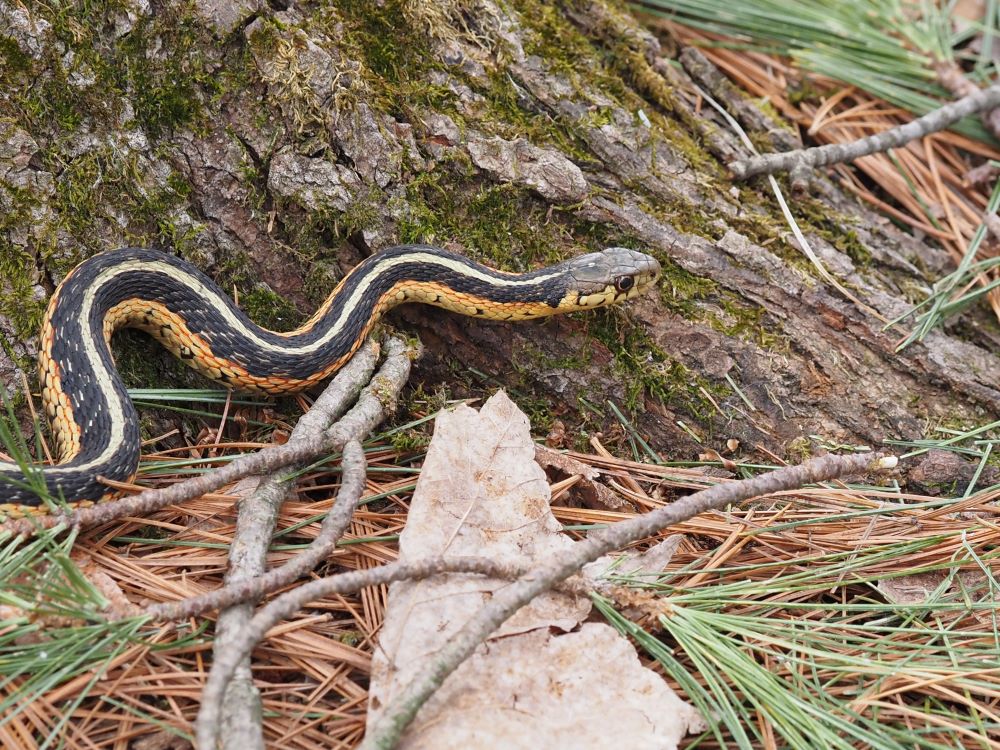
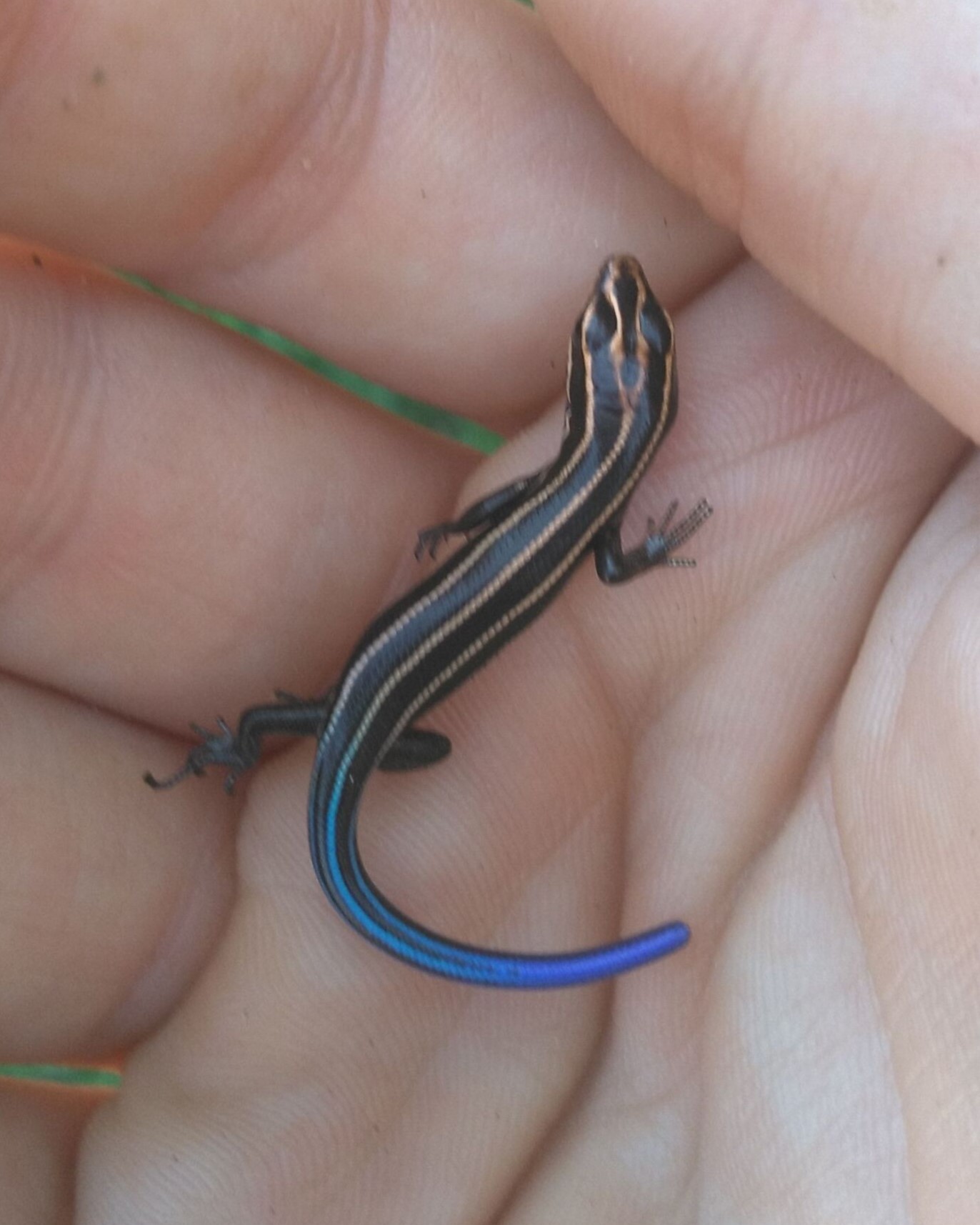
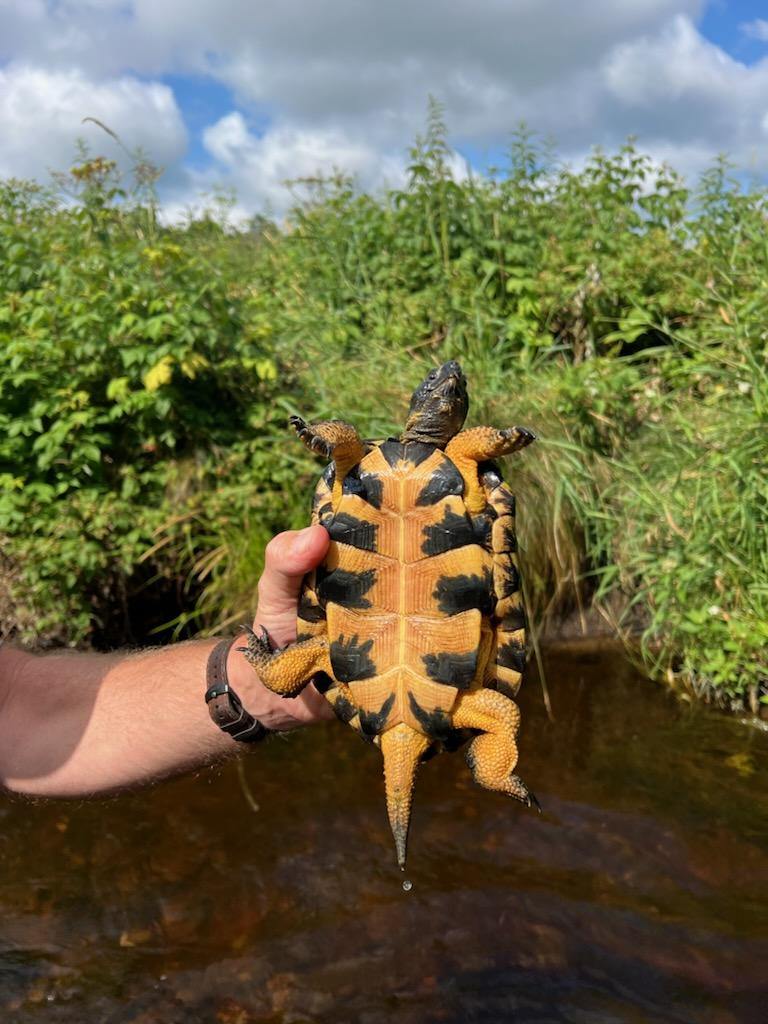
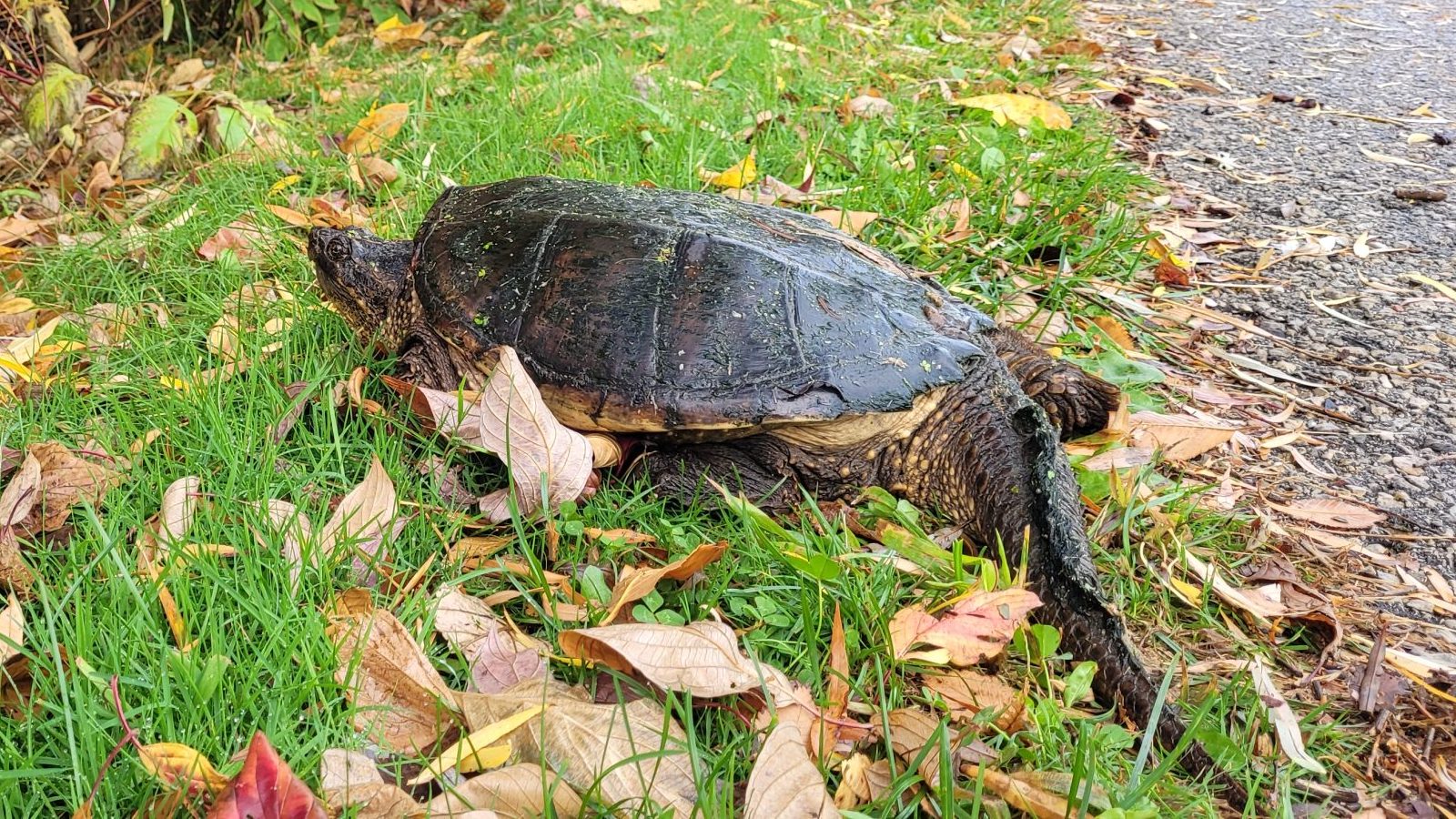
Clockwise from top left: common gartersnake, wood turtle, snapping turtle, common five-lined skink.
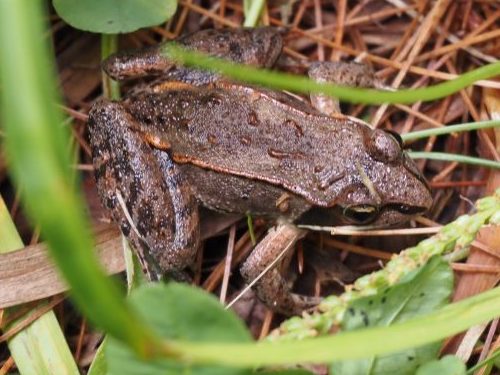
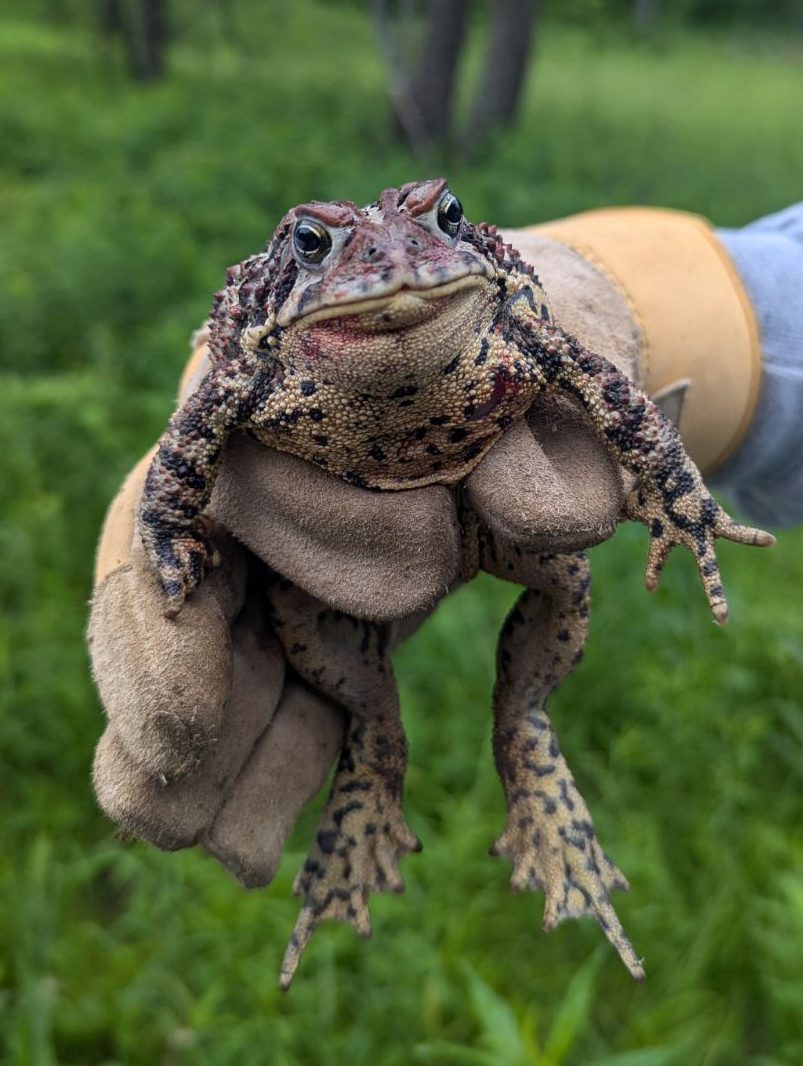
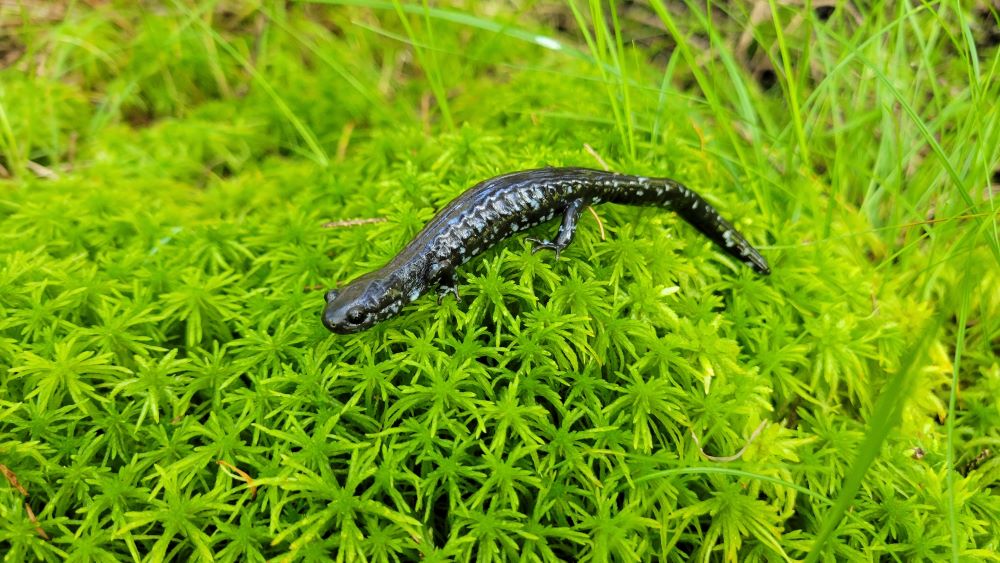
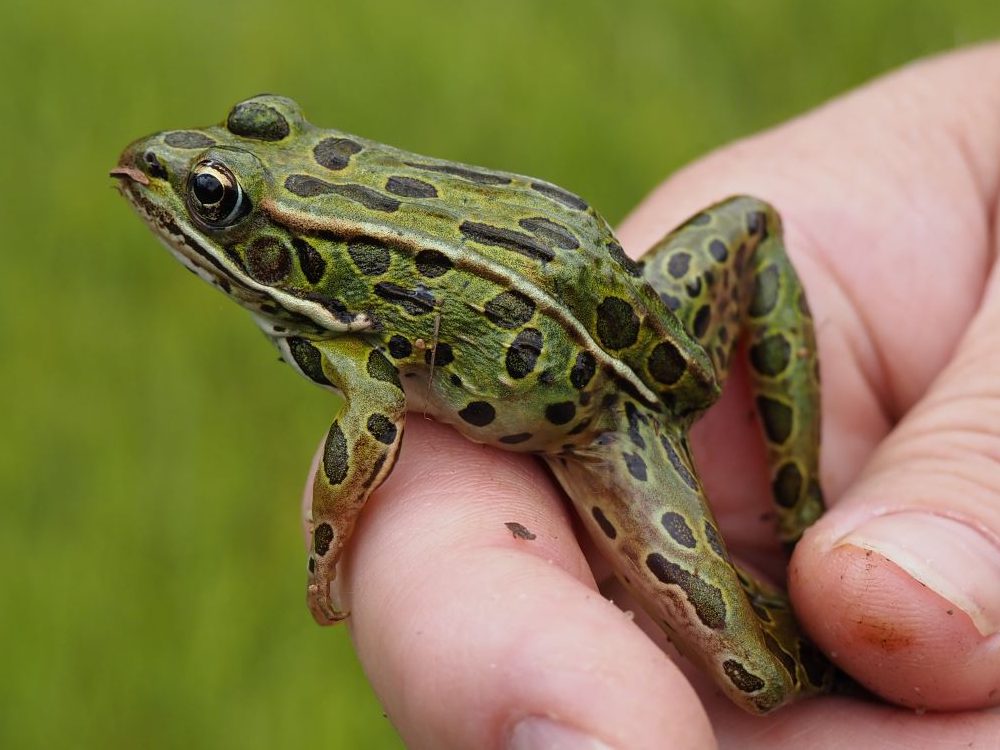
Clockwise from top left: wood frog, blue-spotted salamander, leopard frog, American toad.
Amphibians
Wisconsin has 19 species of amphibians, including 11 frogs, 1 toad, and 7 salamanders.
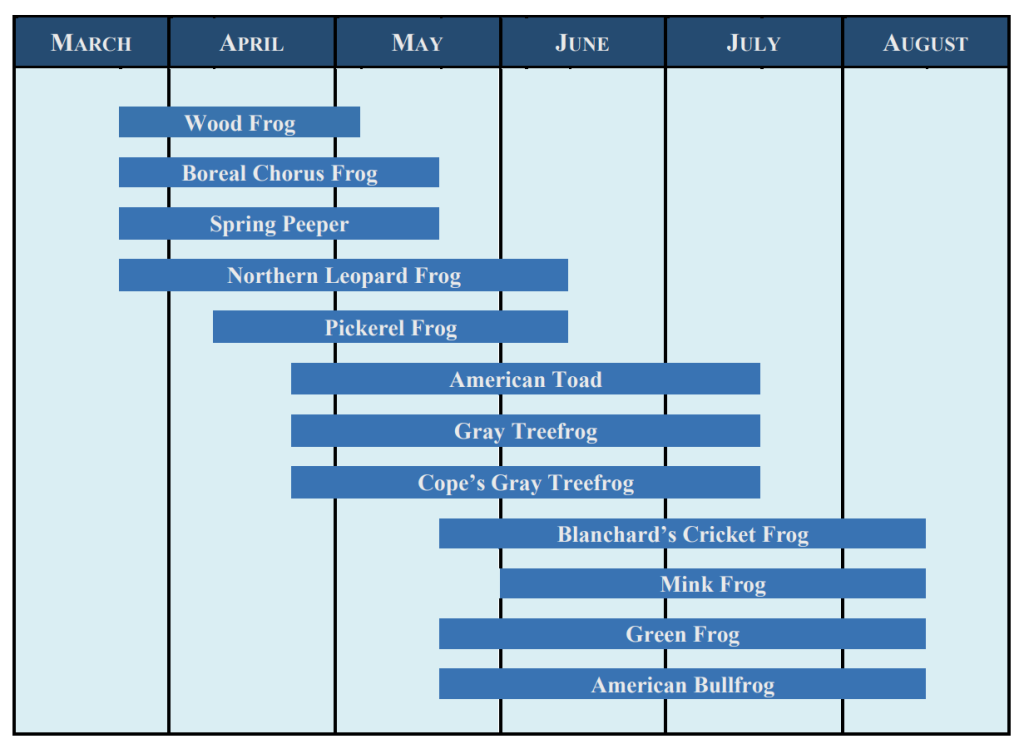
Stagnant water (a wetland, lake, or pond) is a key component of amphibian habitat. All frogs breed and deposit their eggs in water. Salamanders also use aquatic habitats to breed, but most of them spend their adult lives on land. Many amphibians overwinter underwater below the ice layer.
Reptiles and amphibians are collectively referred to as herptiles.
What are the components of wildlife habitat?
All wildlife need food, shelter, water, and space. Food and cover are the most important of these—in fact, more wildlife will die from lack of cover than from starvation. You can still attract wildlife to your property without having all of these components, but you will have a better chance if you do have all four on your property or on nearby properties.
Food
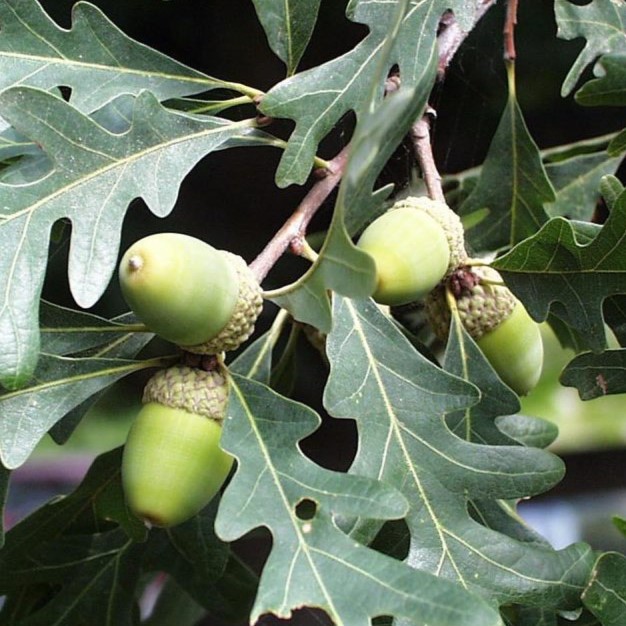
Every species has its own specific food requirements, and those requirements may change with the season or as the animal grows. Timber harvesting and planting trees and shrubs are the most powerful tools you have for affecting the quality of food available to wildlife. You are looking to create a diversity of food sources that are available year-round. When managing your woodlands, choose to favor the plants that your desired wildlife feed on or that the prey of your desired wildlife feed on.
Learn more about what to plant to attract wildlife in So What Should I Plant? (PDF) and Woody Cover for Wildlife (PDF). Learn about shelterbelts and food plots in Gimme Shelter (PDF).
Shelter (cover)
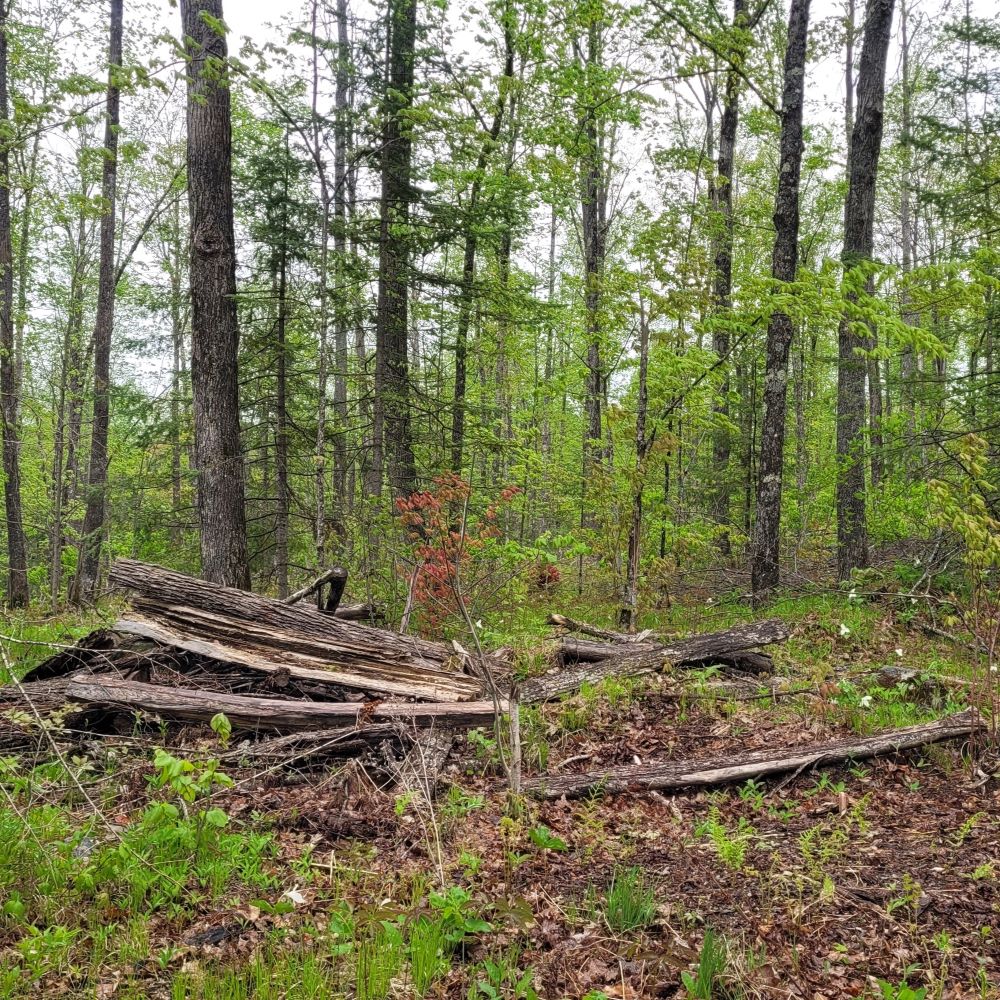
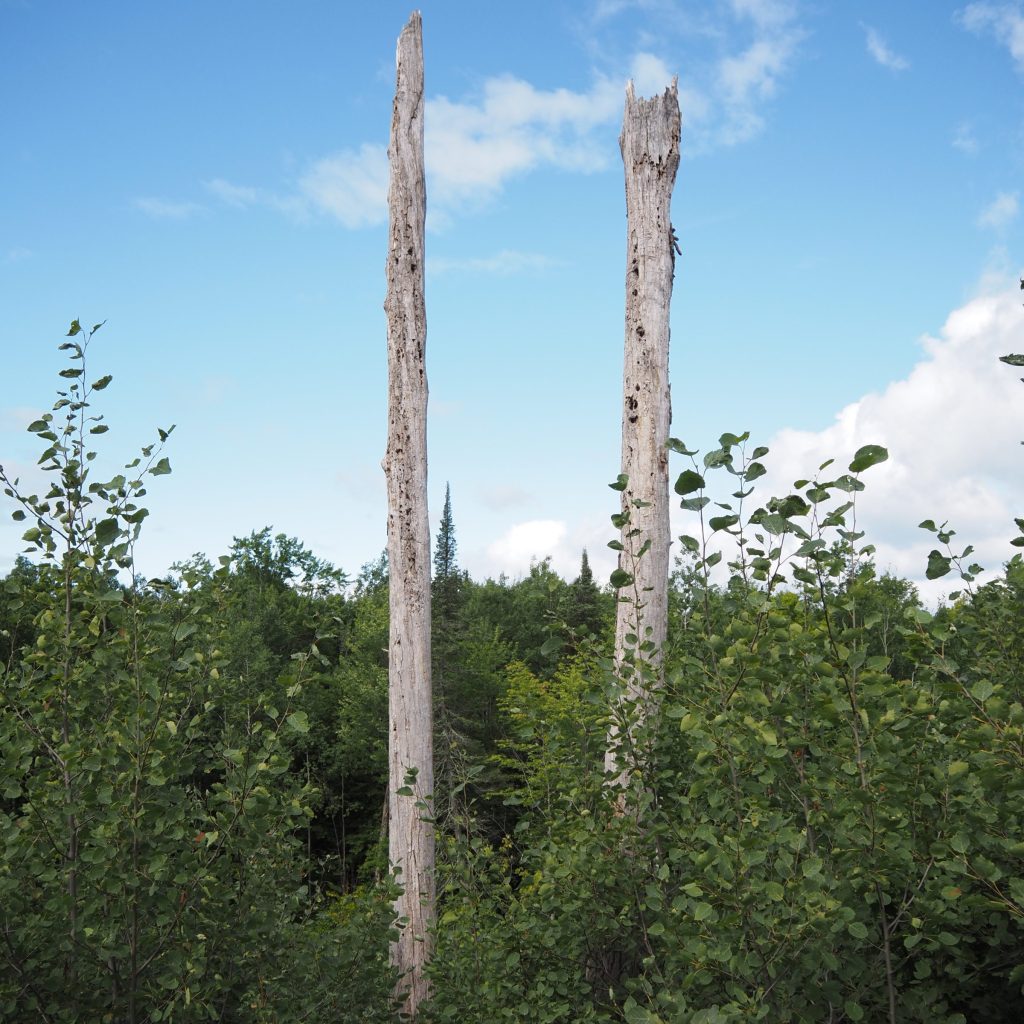
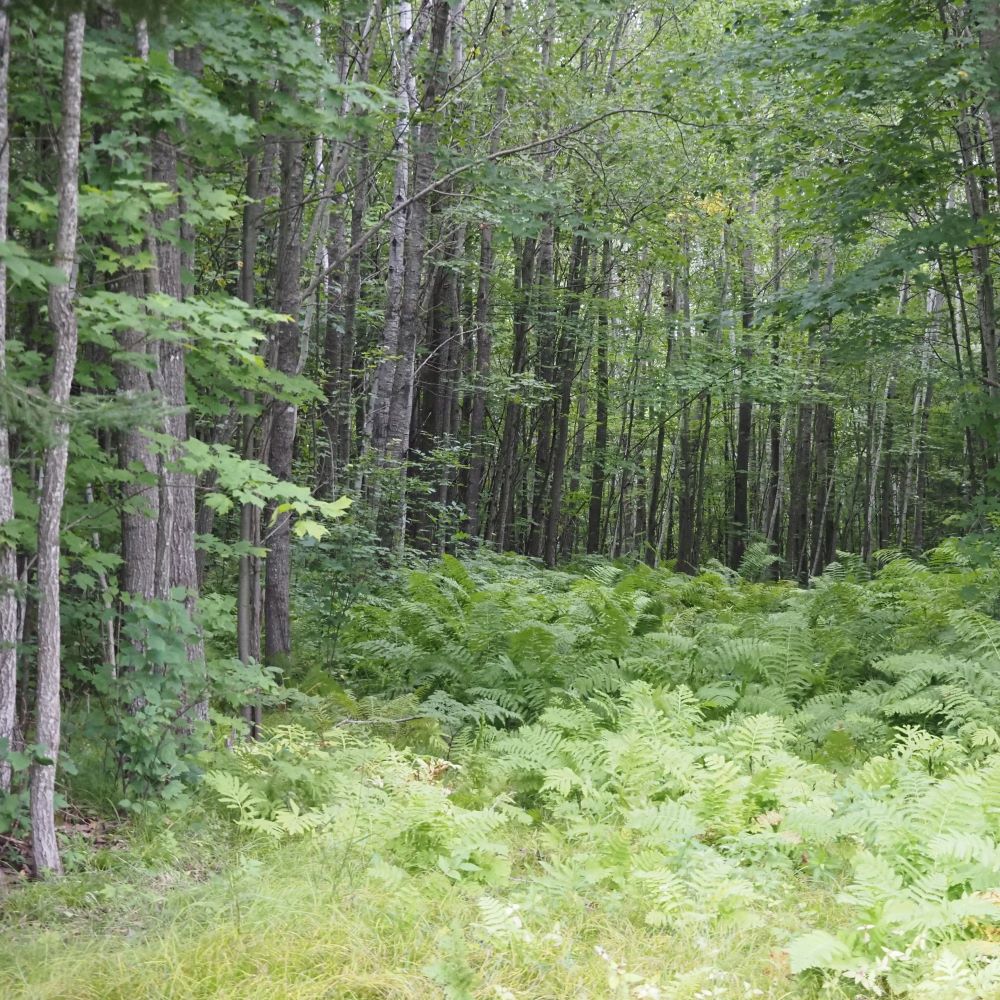
Wildlife use cover for raising their young, escaping predators, and for protection from severe weather. The more diversity you have in cover, the more diversity in wildlife you will attract. This includes diversity in the types of trees and shrubs and their sizes and ages. This also includes diversity in the non-living parts of your forest like rock piles, standing dead trees (snags), and brush piles.
Water
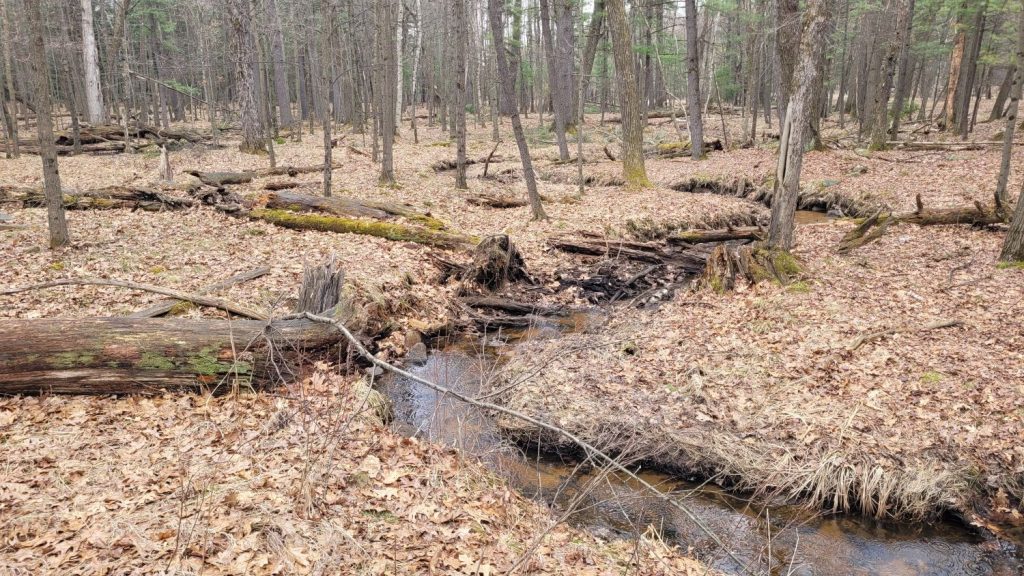
Wildlife use water bodies for a number of reasons, including for drinking, bathing, and finding something to eat. Adding some kind of water feature to your property (if you had none before) will most likely get you an immediate increase in the number of wildlife that will visit your property. However, you don’t necessarily need to have a body of water on your property to get wildlife—many times they can fulfill their need for water in other ways. They might be using water bodies on nearby properties. Many animals get most of their water from the things they eat. In general, moving water with some aquatic plants will attract more wildlife than standing water with nothing growing in it.
- Learn more about restoring wetlands on your property in Just Add Water (PDF).
- Learn more about managing stream corridors for wildlife in Wealth of the Waterways (PDF).
Living space
Every wildlife species has a unique pattern of space and territorial needs. The space needs of some wildlife can be easily fulfilled in a small amount of land, whereas others require thousands of acres and will most likely be something you can do nothing about. Along with size, other characteristics of living space important to wildlife include:
- The shape and constituents of that living space
- Its connectedness to other habitats
- How it changes over time.
Learn how to develop a plan for molding your forest into great wildlife habitat in Putting Pen to Paper (PDF).
What you can do
Inventory and monitor wildlife
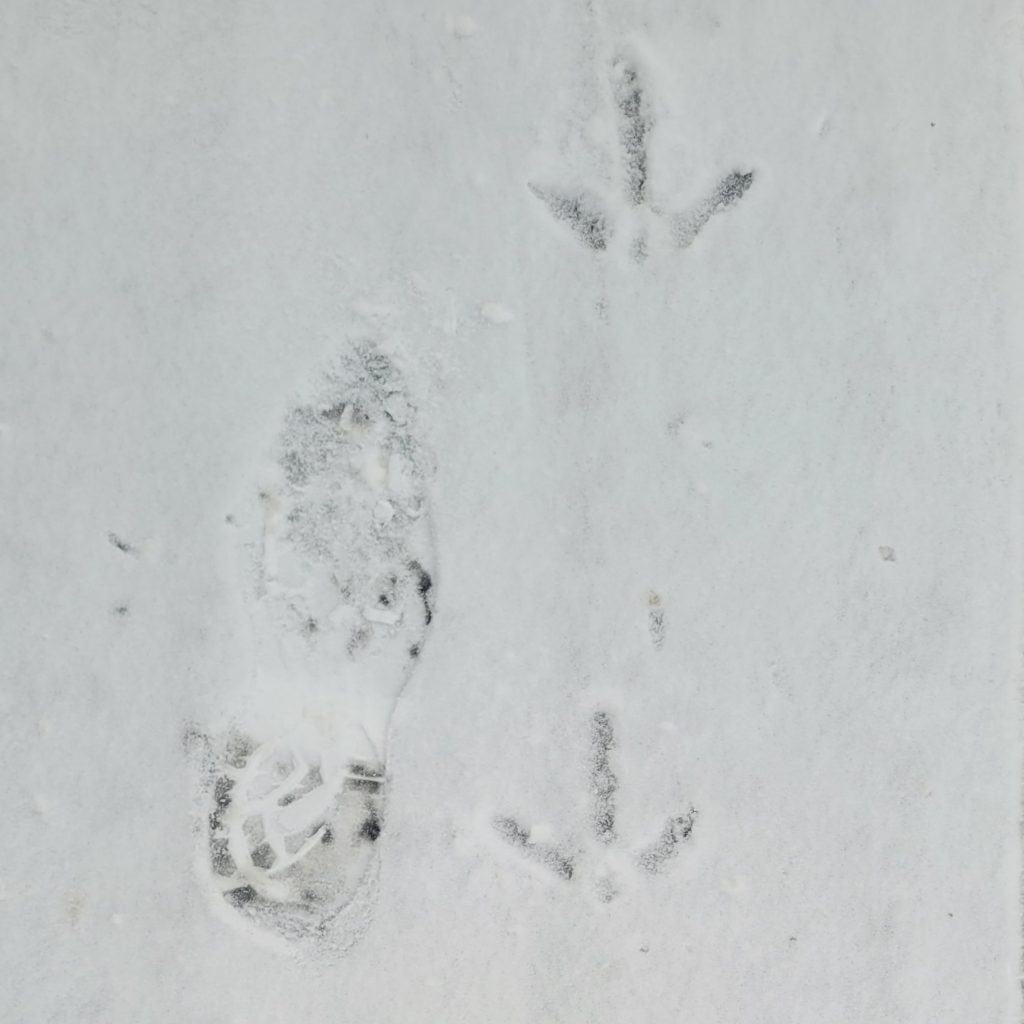
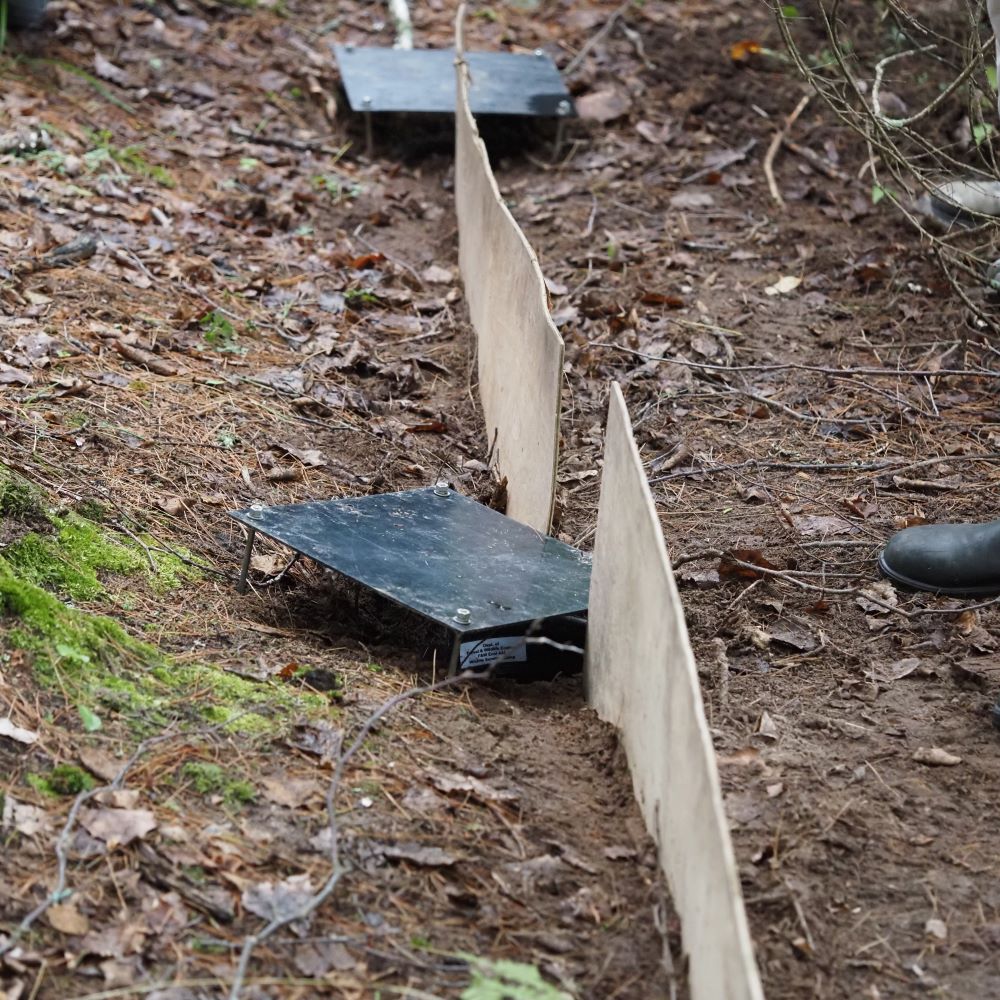
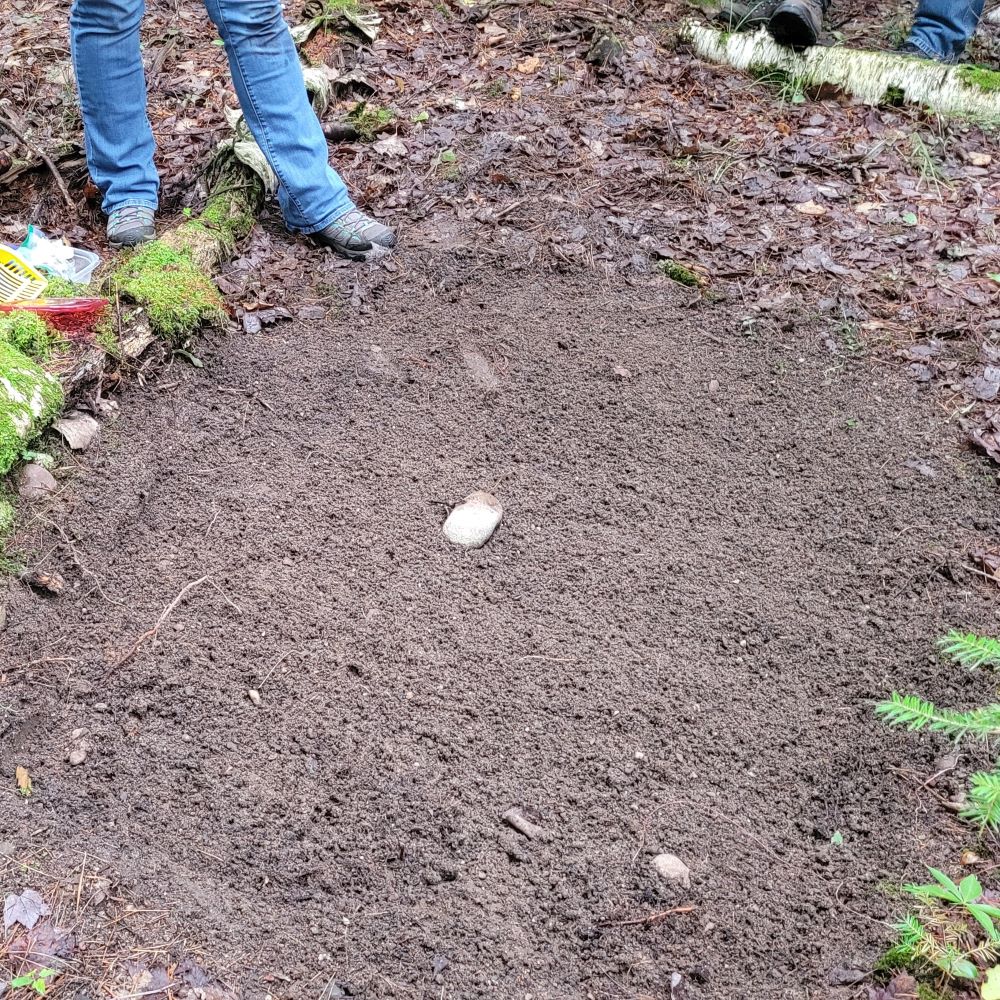
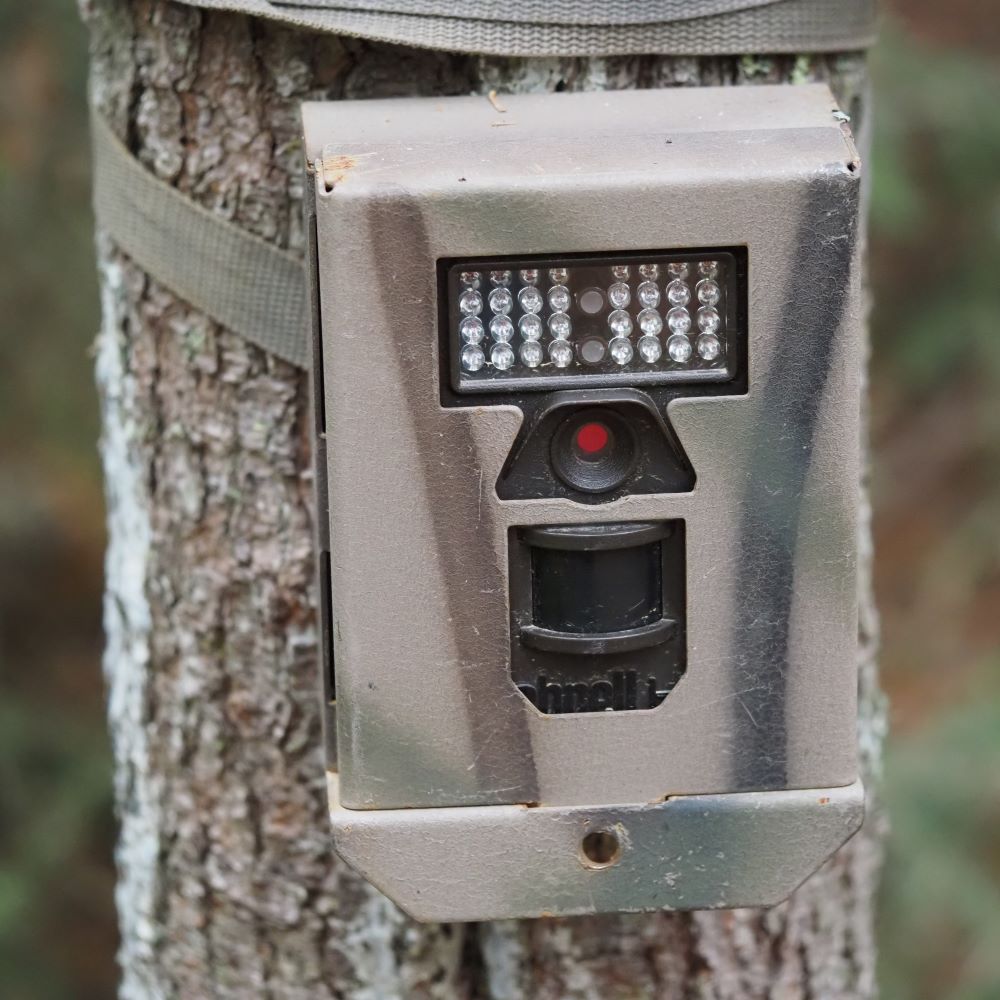
Some ways you can inventory and monitor wildlife on your property include (left to right) tracks in the snow, pitfall traps, a scented track station, and trail cameras.
Now that you know the basic needs of wildlife, it is time to get started making your forest attractive to wildlife. A good first step is to figure who is using your property now. You may have already collected some data on which wildlife are on your property by noting the tracks they leave or actually seeing the animals. That is good, but you want to be more thorough so that you can actually see the impact the changes you are making to your forest are having. Here is a great publication on how to inventory and monitor wildlife on your property (PDF). It includes some easy-to-do activities that your whole family will enjoy.
After you have collected some data on who is using your property, it is time to make some changes to attract more and different wildlife. Start by figuring out exactly what you hope to get out of any activity. The more specific you can be, the better plan you will assemble and the more satisfied you will be with the results. It is a good idea to spread your activities out over several years so that you don’t get overwhelmed all at once.
Learn more about the basics of wildlife management in:
- Calling All Wildlife (PDF)
- Wisconsin Wildlife Primer (PDF)
- A Landowner’s Guide to Woodland Wildlife Management (PDF)
- To Cut or Not To Cut? (PDF).
Be aware of threatened and endangered species
Even though our forests here in Wisconsin may not seem like anything special, they contain some plants and animals whose populations are declining. There are a number of simple things that we can do to protect these species and their habitats while still achieving our own goals for our forests. Take some time to review this list of threatened and endangered species and see if your property may contain any of them.
If someone’s property does have threatened or endangered species, what action steps can we give them? Report to Natural Heritage Inventory? TK
Who can help you
Section TK. Potential things to mention:
- Wildlife biologists
- DNR wildlife switchboard
- DMAP
- Snapshot WI? (or maybe this should be under “What you can do”?)
- RGS/AWS, NWTF, Ducks Unlimited
- Local birding groups
- Wisconsin Center for Wildlife, Jamie and David?
- Who else?
Additional resources
- Natural Communities and Species of Greatest Conservation Need (Wisconsin DNR)
- Wisconsin Animals (Wisconsin DNR)
- Wildlife Habitat (Wisconsin DNR)
- Amphibian and Reptile Frequently Asked Questions (Wisconsin DNR)
- Checklist of Wisconsin Birds (Wisconsin DNR)
- Keep Wildlife Wild (Wisconsin DNR)
- Deer Management Assistance Program (Wisconsin DNR)
- Wildlife Damage and Management fact sheets (UW–Madison)
Explore all learning hub webpages
Woodland stewardship topics
Use a chainsaw safely & effectively
> Protective gear for safe chainsaw use
> Grow mushrooms using sawdust spawn
> Grow mushrooms using plug spawn
People and programs who provide assistance
If you have feedback on this webpage, fill out this form. If you have questions about wildlife and your woods, contact:

Jamie Nack
Senior Wildlife Outreach Specialist
jlnack@wisc.edu
608-265-8264
Page written by Kris Tiles, Bill Klase, and Scott Hershberger and reviewed by Jamie Nack (UW–Madison Extension). Last updated May 2026.
Additional photo credits:
- Northern flying squirrel: Henrique Pacheco, CC BY 4.0
- Red fox: US Fish and Wildlife Service, Bugwood.org
- North American river otter in Bayfield County: Snapshot Wisconsin
- Deer in Sawyer County: Snapshot Wisconsin
- Ruffed grouse in Sawyer County: Snapshot Wisconsin
- Scarlet tanager: Rob Routledge, Sault College, Bugwood.org
- Ruffed grouse in snow: Elmer Verhasselt, Bugwood.org
- Common five-lined skink: Micah McDaniel, ABAC & UGA, Bugwood.org
- White oak leaves and acorns: Paul Wray, Iowa State University, Bugwood.org