

Forest Resilience
Forest Resilience
Our forest resilience program helps you understand what the changing climate means for your woods and empowers you to take action.
Warmer winters, longer growing seasons, more extreme weather, conditions favoring invasive insects and plants—Wisconsin’s climate is changing, putting many stresses on our forests. But it’s not all bad news. Wisconsin landowners can take action to make their woods more resilient to the changing climate. What’s more, the ability of forests to store carbon offers an opportunity to help reduce changes to climate patterns.
Our forest resilience programming focuses on four main topics:
- Managing invasive plants
- Managing forests impacted by emerald ash borer
- Using prescribed fire to increase forest resilience
- Helping the next generation of trees grow in your woodland.
In addition, we provide outreach on forest carbon to help you make informed decisions about managing your woodland for carbon, including whether or not to enroll in a forest carbon program. Forest carbon programs align well with some landowners’ goals, but not with others’.
Upcoming Events
Join this webinar to learn how to identify trees for removal, evaluate fuel value, and improve forest structure and diversity to set up your woods for long-term success.
View Event DetailsPast Events
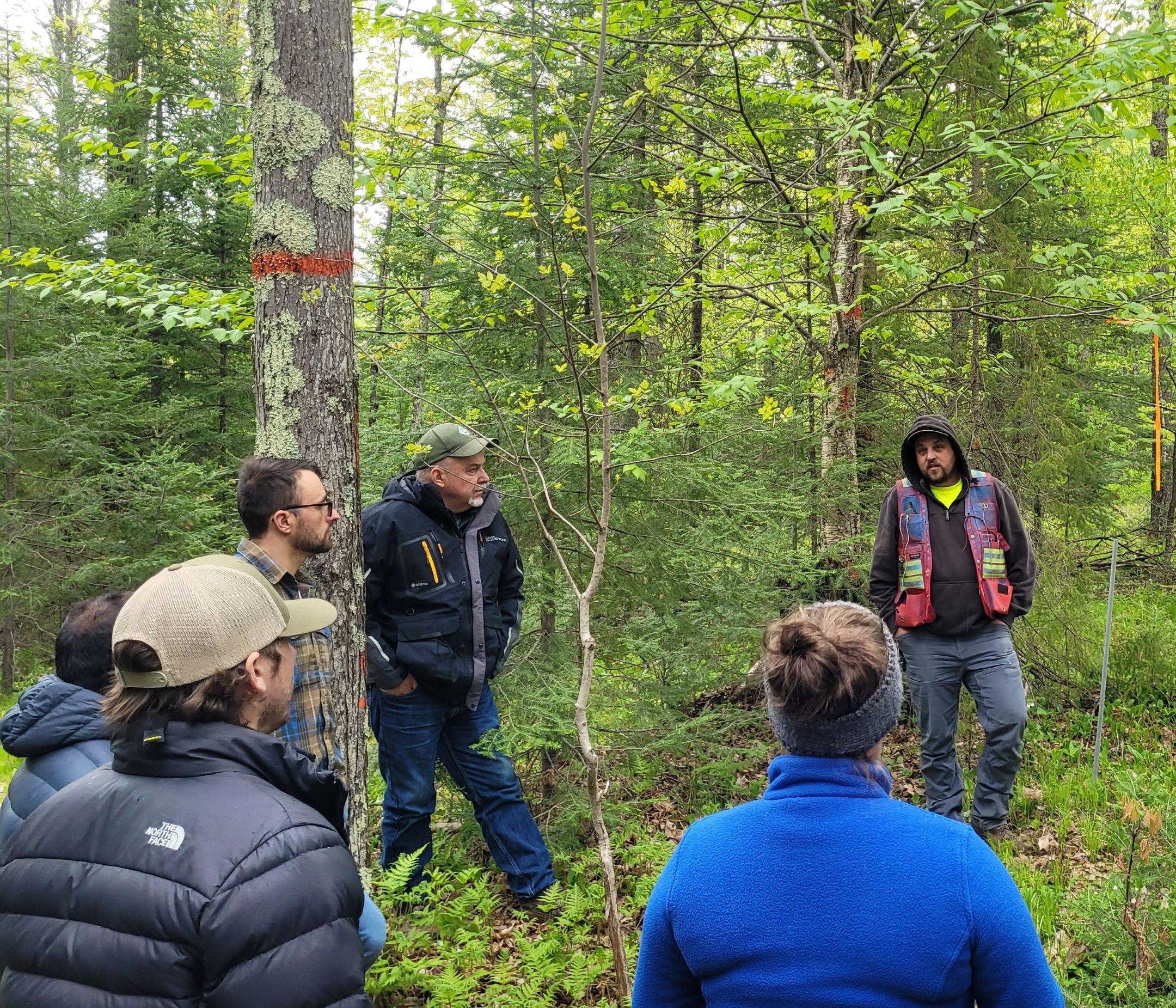
In January through April 2026, we held our first Forest Resilience Series. Fifteen woodland owners joined us for a course that included online videos and readings, four Zoom sessions with local natural resource professionals, hands-on mapping and checklist activities, and a field day to see forest resilience in action.
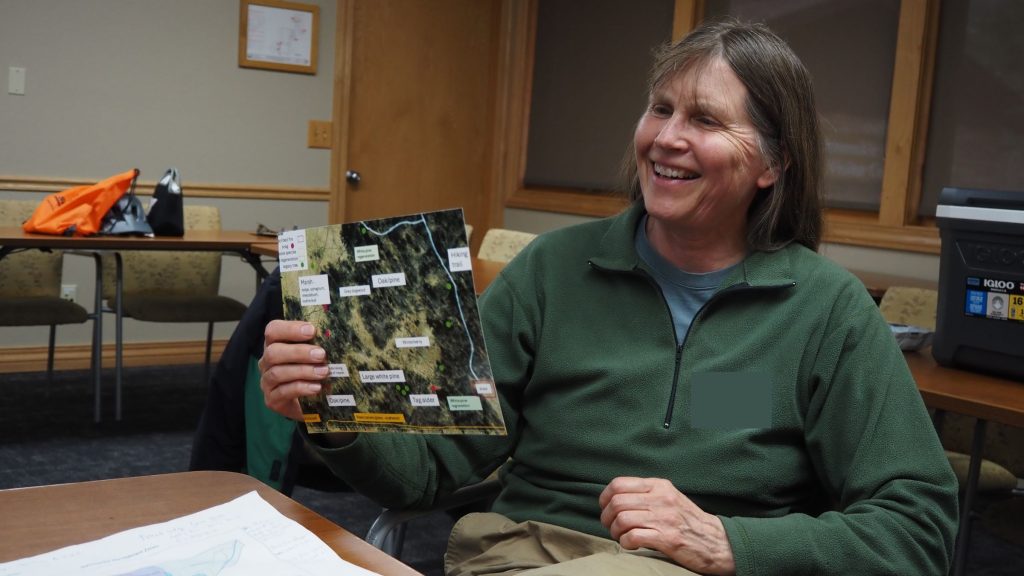
The mapping assignments and related surveys were very helpful—probably the most valuable part of the class for us. Being inspired to visualize our property in segments with different challenges and opportunities rather than as a whole really helped us to get past feeling overwhelmed and aimless. We used what we learned, along with additional research, to develop a five-year plan that feels both exciting and doable. Although we will continue to tweak the plan we developed, we now have a reasonable blueprint!
—Forest Resilience Series participant
Greatly appreciate Keith and his team—abundance of knowledge and willingness to help and share. OUTSTANDING course. Job well done!!!
—Forest Resilience Series participant
If you are interested in enrolling in a future Forest Resilience Series, email Keith Phelps. If you’d like to get a taste for what we covered, check out the recorded webinars below.
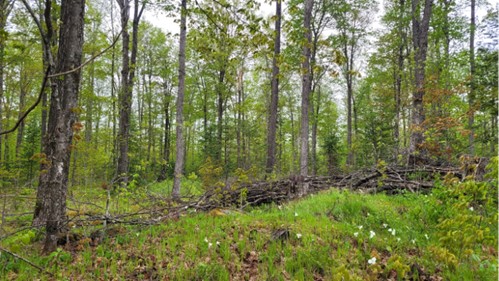
Managing for Healthy and Resilient Woods
Have you wondered what you can do to help maintain your woodland’s ecological health? Do you want to learn about how you can increase your woods’ resilience in a changing world? If so, watch the recording of our January 2026 webinar!
Introduction to Forest Carbon Programs
Have you heard about the voluntary carbon market and are unsure what it means for your woods? Have you been contacted by a forest carbon program and are trying to decide whether to enroll? Do you want to learn how your woods can help reduce the amount of carbon pollution in the atmosphere? If so, watch the recording of our December 2025 webinar!
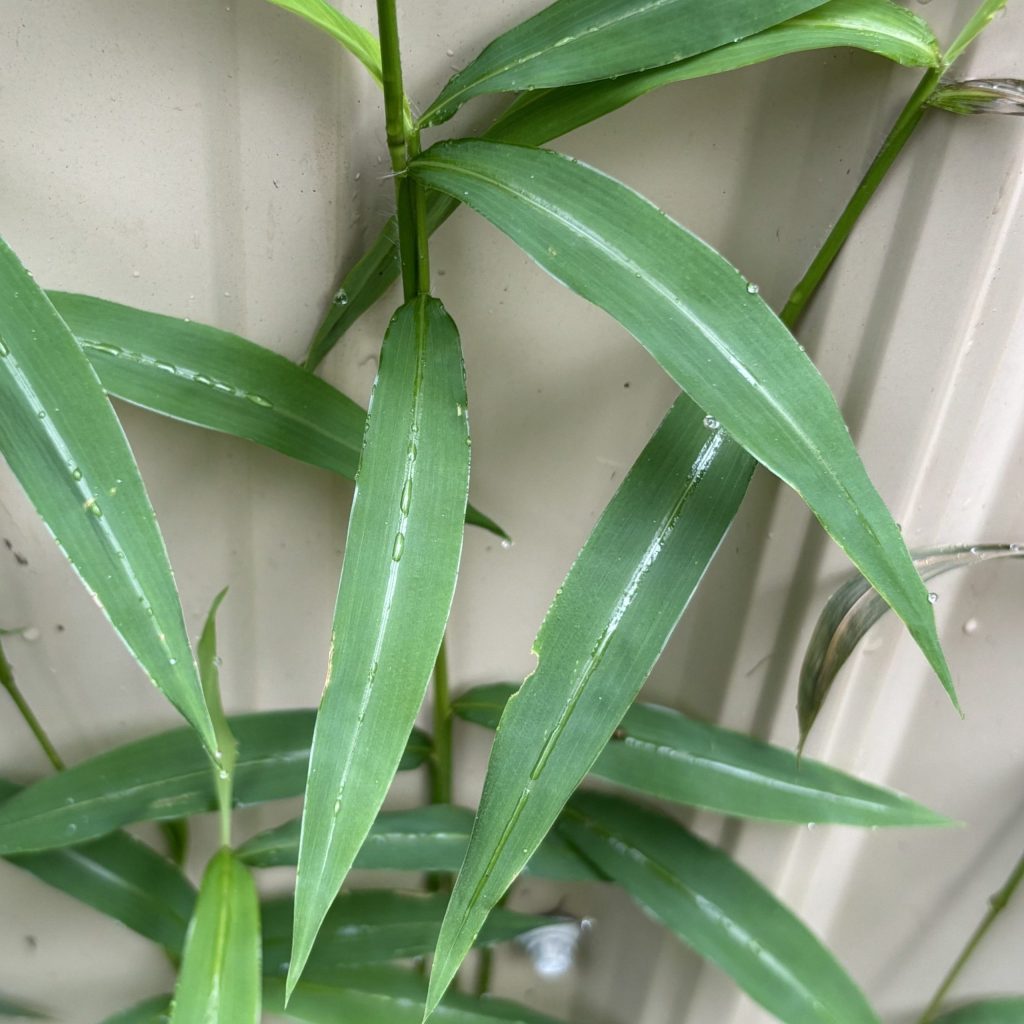
Stopping Stiltgrass in the Upper Midwest
Stiltgrass is an invasive plant that is relatively new to Wisconsin—so now is the time for use to get ahead of it before it becomes a big problem here. Learn how to identify it, report it to natural resource professionals, prevent its spread, and manage it if you do find it.
Our forest resilience program is funded in part by the Wisconsin Department of Natural Resources through a grant received as part of the Inflation Reduction Act. For more information about our climate resilience program, contact:

Keith Phelps
Forestry Educator
keith.phelps@wisc.edu
920-840-7504

Sky Hershberger
Forestry Communications Specialist
sky.hershberger@wisc.edu
Page last updated May 2026.
Additional photo credits:
- Interstate State Park: Bill McNee, Wisconsin DNR
- Forest in fall: Stephen Handler, USFS
- Stiltgrass: John Zaborsky, UW-Madison Renz Weed Science Lab