

Home » Learn about Woodland Stewardship » Timber Sales: Harvest and Sell Trees with Success
Timber Sales: Harvest and Sell Trees with Success
Timber Sales: Harvest and Sell Trees with Success
Related webpages
What do you value about your woodland? If you view it as a source of income, then you likely are considering how and when to harvest and sell timber. But even if you primarily value wildlife habitat, a sense of privacy, or the beauty of nature, you may have good reason to conduct a sustainable timber harvest at some point. This page gives you an overview of how to conduct a successful timber harvest that will benefit your woods for decades.
For a more detailed guide to timber sales, check out our publication Conducting a Successful Timber Sale: A Primer for Landowners (PDF).
How trees grow
To understand the potential benefits, trade-offs, and long-term ripple effects of cutting down trees, it’s important to talk about how trees grow in the first place.
The ongoing competition for sunlight, water, nutrients and growing space is constantly shaping and reshaping the composition of a forest—and how each tree grows. A look at the growth rings of trees will show the story of when resources may have been plentiful or scarce. A dry season or an extended spell hidden in the shade of another tree will slow down a tree’s growth, while an opening of sunlight and space will speed up its growth.
The role of sunlight in tree growth
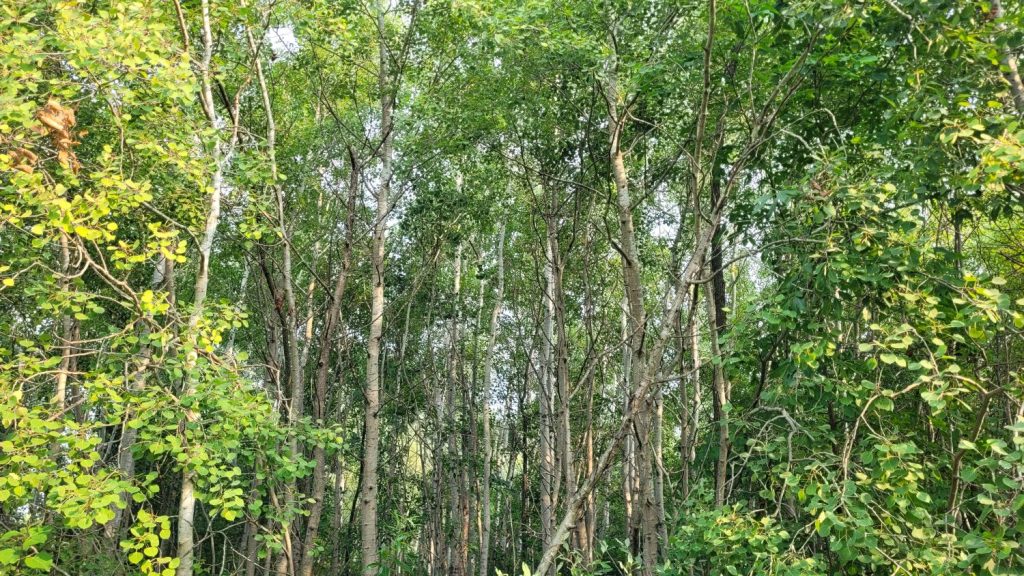
Some species of trees can grow well under the shade of other trees, so they are called shade-tolerant. Other species are adapted to growing in full sunlight, so they are called shade-intolerant. Shade-intolerant trees are the first trees to colonize an open area. Examples of these fast-growing, sun-loving, short-lived trees are aspen and paper birch.
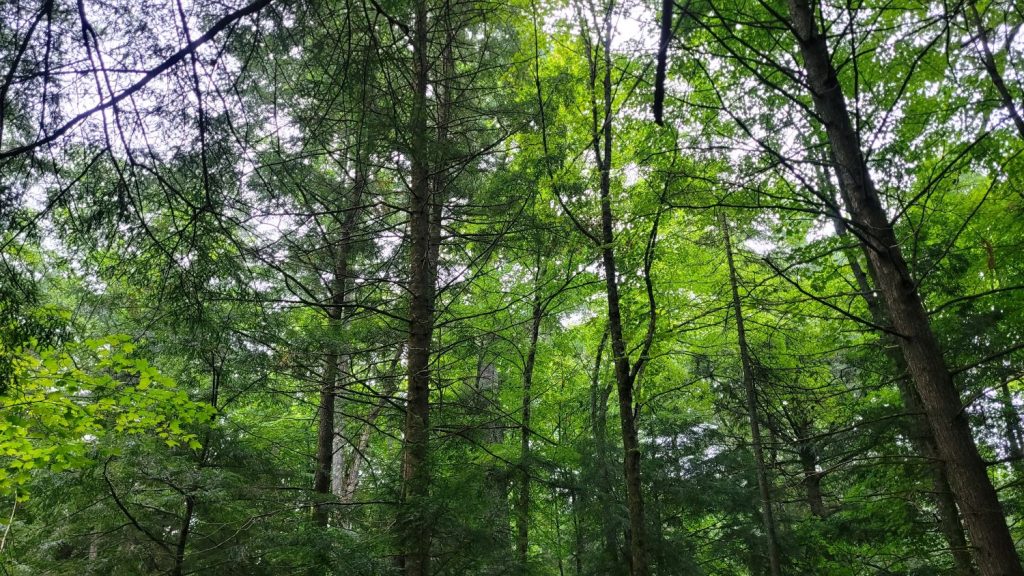
While these trees are growing, more shade-tolerant species are growing in their understory, waiting for the day when the aspen and birch die to create an opening of sunlight and space. The next trees are likely to be species like red maple, red pine, and white ash. As the canopy gets thicker, and the forest floor gets darker, even more shade-tolerant trees take over. These trees include sugar maple, hemlock, and balsam fir.
The role of soil in tree growth
Your woodland’s soil also plays a role in the type and quality of trees that will grow there. In general, soil type is classified by its texture (or size of soil particles), porosity, and fertility. These soil characteristics will determine the quality and quantity of water and nutrients that are available to help trees grow. Soil types span a range from sand to loam to clay, and every combination in between.
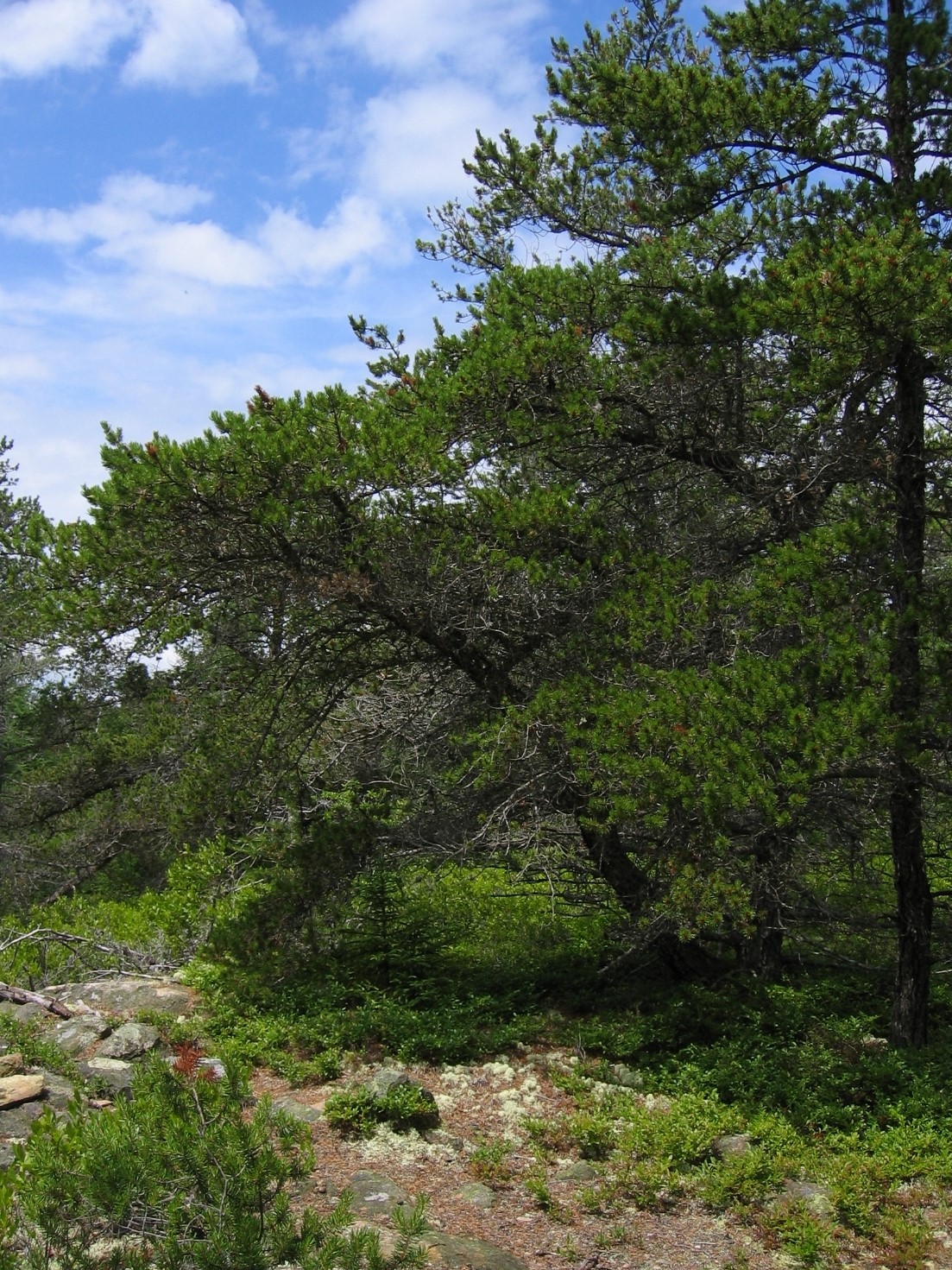
Sandy soils drain easily and tend to be dry and low in nutrients. Jack pine (pictured), white pine, and oaks are commonly found on sandy soils.
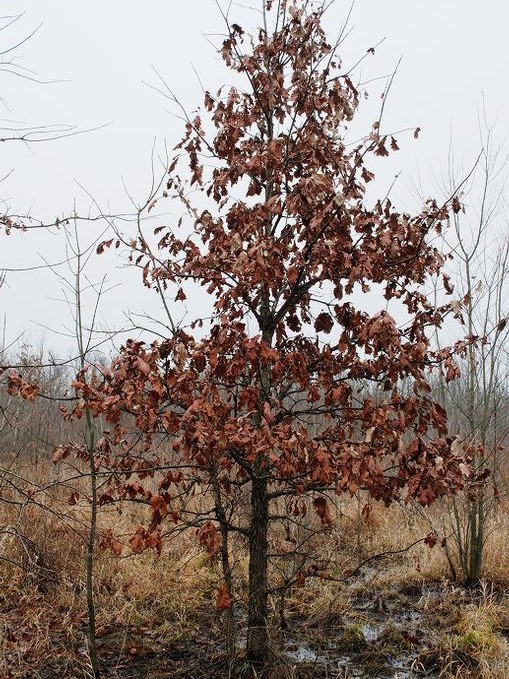
Clay soils tend to be higher in nutrients, but wet because they drain poorly. Swamp white oak (pictured), river birch, and ironwood are examples of trees found on clay soils.
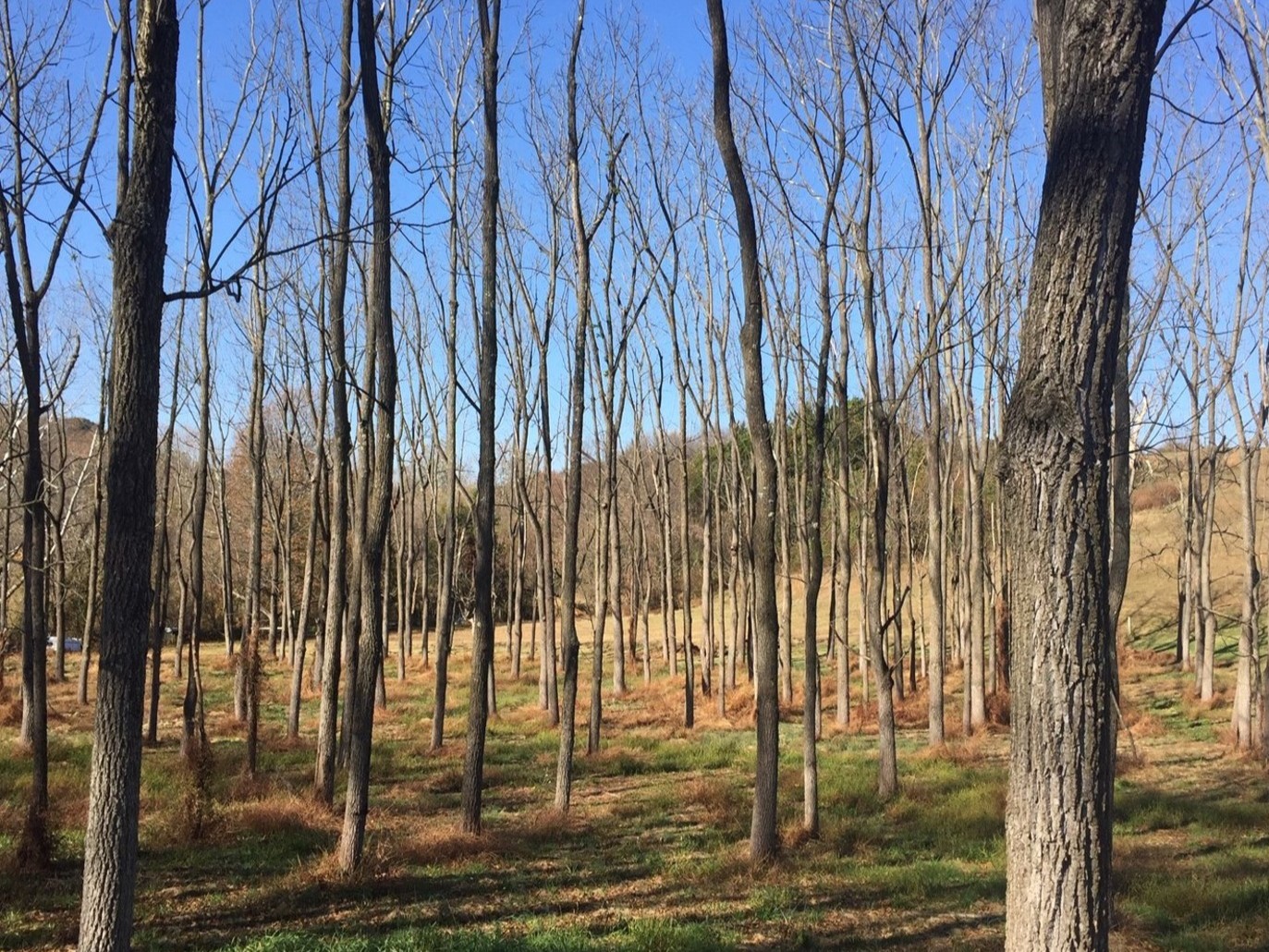
Loam soils are a combination of sand, silt, and clay. Their nutrient and water holding capacity varies, depending on the degree of clay, sand, and organic matter present. Black walnut (pictured), spruce, birch, and bigtooth aspen are some of the species you might find on loam soils.
Similar to sunlight conditions, some trees have adapted better than others to withstand less-than-ideal soil conditions, which means they have a competitive advantage there. For example, tamarack can grow in wet soils, and jack pine and oak can grow in dry soils.
Reasons to consider a timber sale
There are a lot of reasons you might consider a timber sale. We recommend always talking with a forester about your goals before deciding whether and how to conduct a timber sale.
Improving wildlife habitat
Wildlife have specific habitat needs. As woodlands change over time (trees get larger; different species of trees take over) the suitability for specific wildlife changes. For example, an aspen stand will likely become sugar maple, basswood, and balsam fir. For wildlife species like ruffed grouse that depend on aspen, a timber sale may be necessary to retain the habitat for that wildlife to find a home.

Improving aesthetics
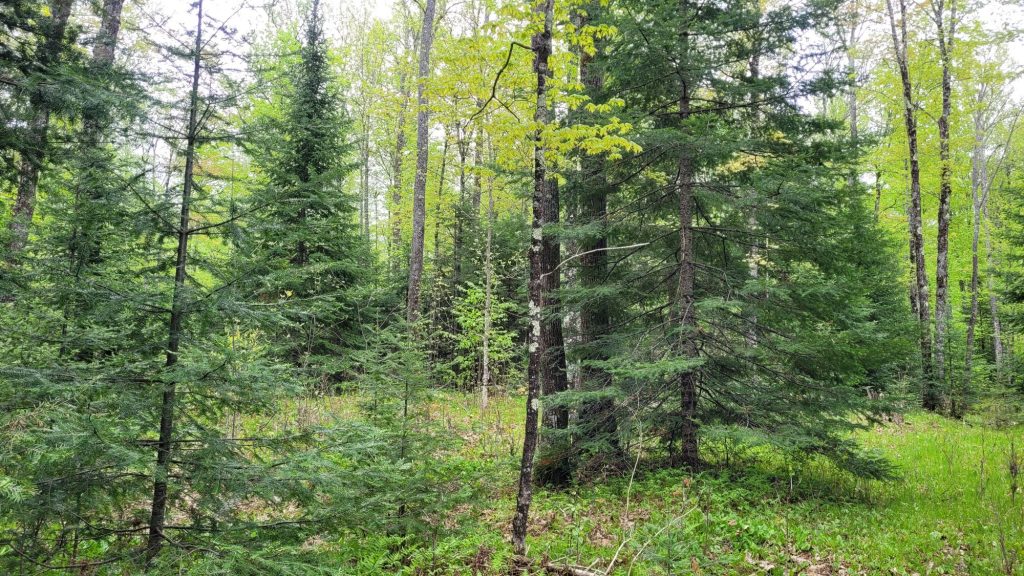
A timber sale can provide visual diversity by favoring species with different colors and textures and creating a mixture of different sized trees with more shrubs and ground plants.
Enhancing recreational opportunities
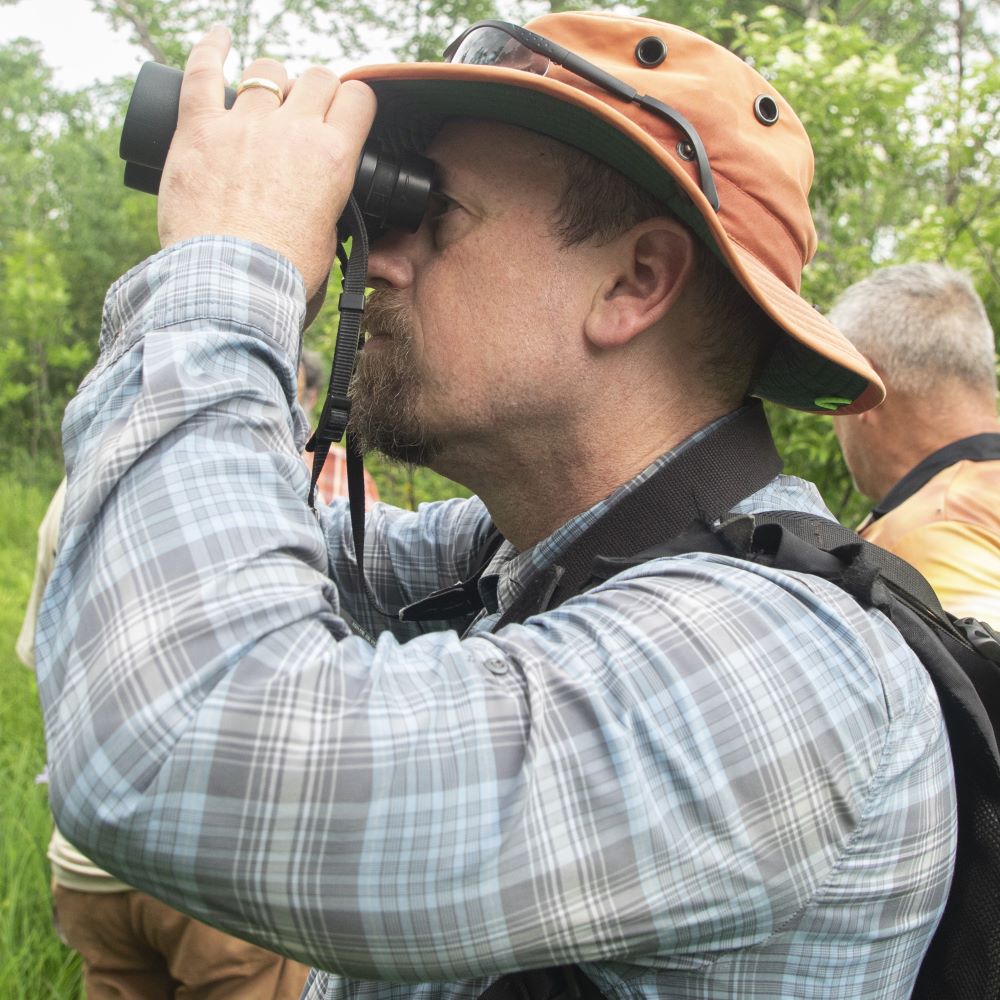
If a primary goal on the land is recreational use—whether hunting, ATVs, skiing, or birding—some network of trails and roads on the property may be of interest. Harvest operations can improve existing trails or create new ones.
Reducing wildfire hazard
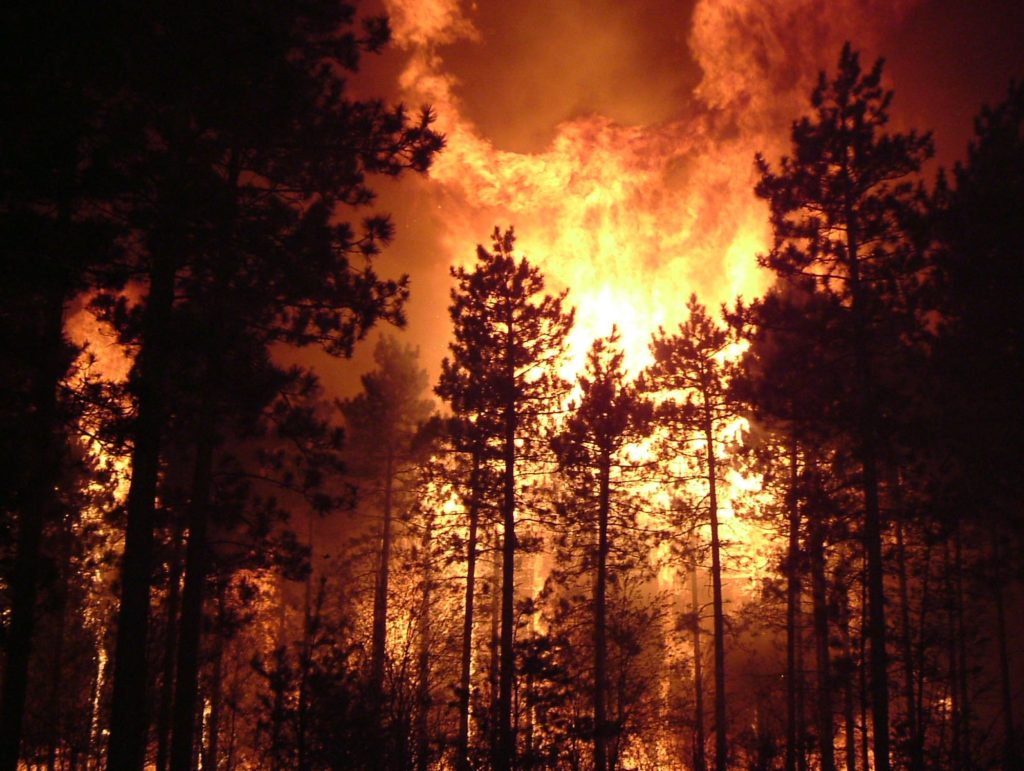
The buildup of dead and dying trees can create the right conditions for wildfires. Regular timber harvests will reduce this buildup and keep trees healthy and vigorously growing.
Income from the sale of timber
When planned with the help of a forester, a timber sale can provide a significant source of income on a planned or as-needed schedule. In order to keep more timber income, make sure to determine your basis (PDF), especially when acquiring new woodland property.
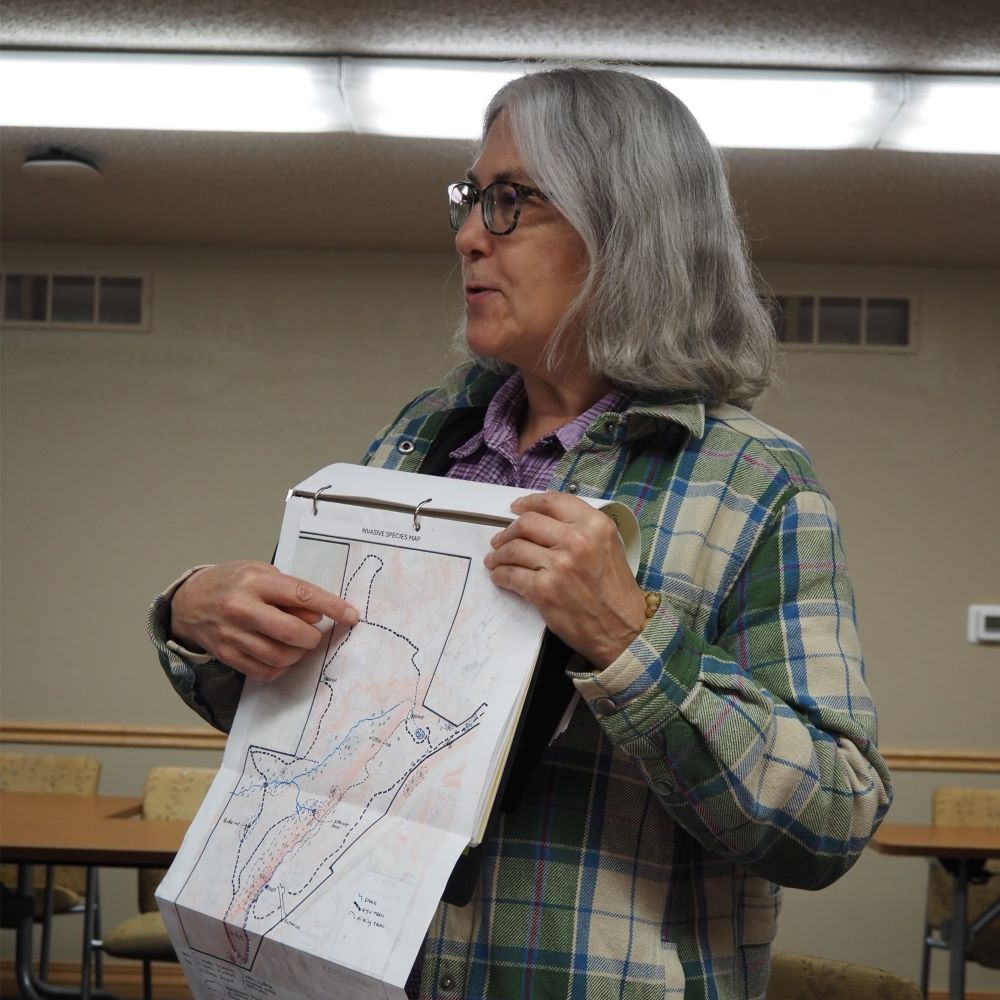
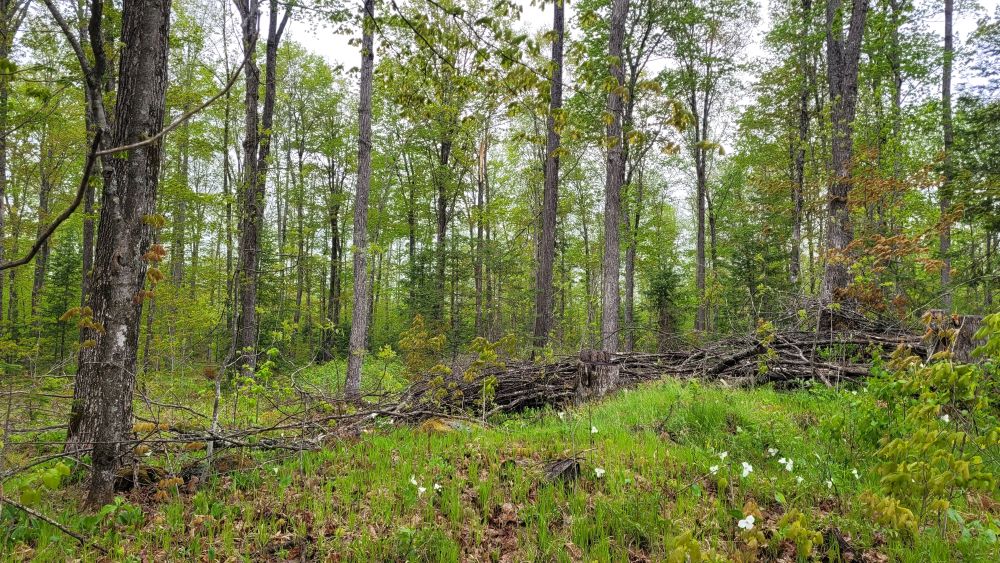
Improving the health and diversity of your woods
A timber sale can help trees to be resilient. When trees are too crowded, they compete for the sun, water, and nutrients. This leaves them susceptible to insects, diseases, and unfavorable weather (drought, cold, wind). If a forest health threat is imminent, it may be advantageous to conduct a timber sale to remove threatened tree species and allow other trees to thrive.
Get assistance in conducting a timber sale
A timber harvest will shape the future of your woods for decades, so you want to make sure you’re doing it right. The keys to success are a good forester, a good logger, and a good contract.
Working with a forester
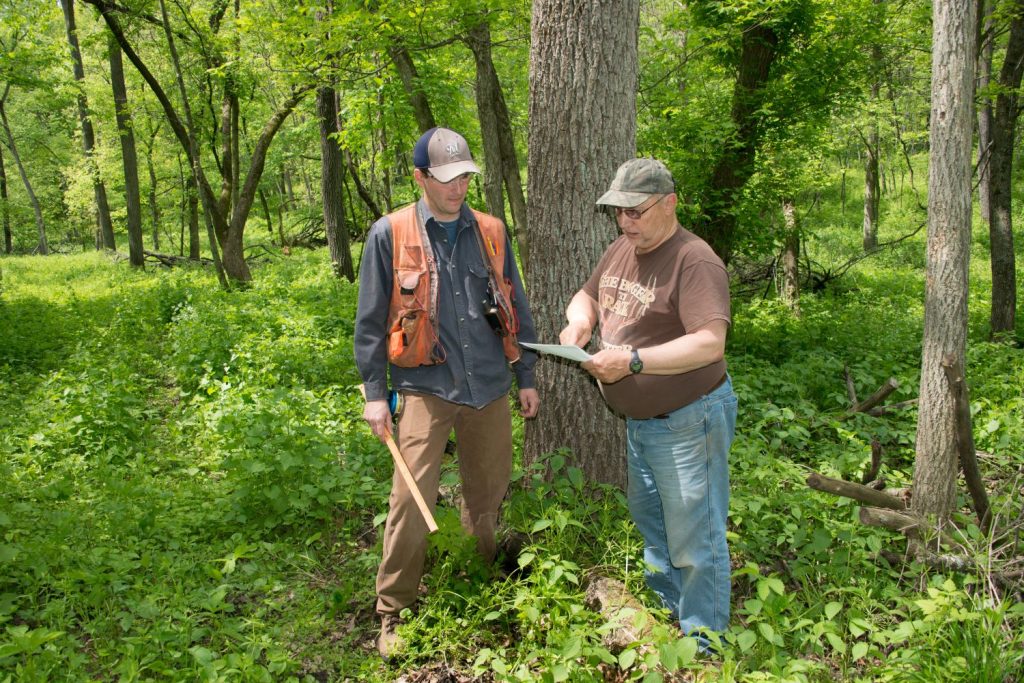
It’s understandable if you are skeptical about employing a professional forester, since it might seem like nothing more than an added cost. In fact, research shows that landowners working with a professional forester during a harvest end up with a healthier forest, greater satisfaction in the results, and more money. Here is what a forester brings to a timber sale and how these skills can help you meet your objectives and get a fair price:
- Forestry expertise—they will estimate the volume of timber to be harvested, mark the trees to be harvested in line with your goals, and plan for how the sale will take place, including how the trails and roads will be used.
- Market knowledge—they can ensure that you get fair market value for your trees and match the local demand for timber with your forest and goals.
- Experience with loggers—they will know reputable loggers, understand their equipment, and be able to communicate your needs and concerns.
- Sale oversight—they can protect your interests during harvesting, ensure that best management practices are properly implemented, and administer the timber sale contract.
Working with a logger
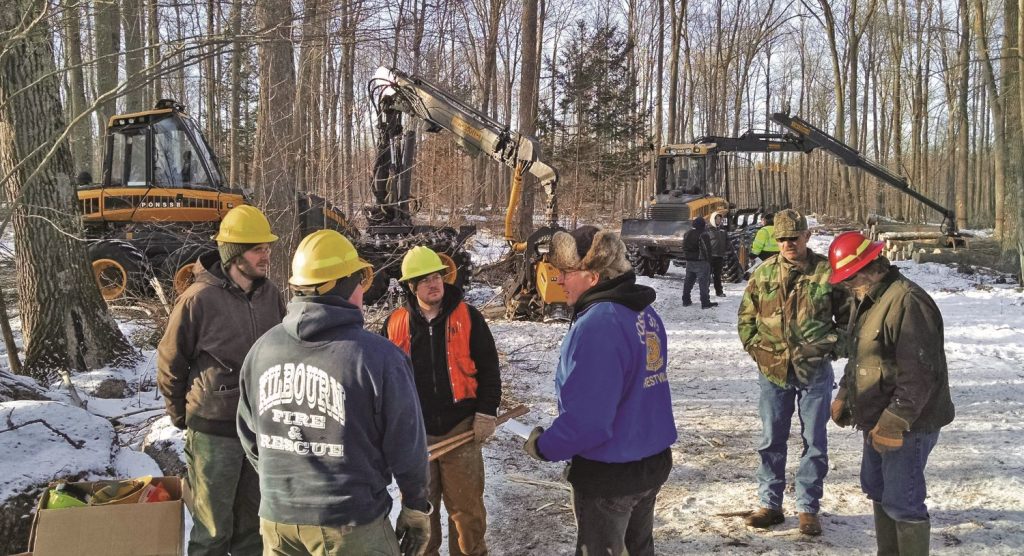
Connecting with the right logger is critical to you getting the most out of any timber harvest. The forester you employ will help find the logger that offers the best combination of skills, willingness to address your needs, and price for your timber. There are many reputable loggers that work in the state. Other characteristics to look for when considering a logger include:
- Training, education, and professional memberships
- Experience
- References from other landowners
- Proof of insurance
It’s also a good idea to ask a logger for references: other landowners who can vouch for their experience working with the logger. Here are some topics and questions you can ask a reference.
Communication: your goals and concerns need to be clearly expressed to your logger so that you are both on the same page as to what is to be done and how. Conditions can change during a timber harvesting operation and good loggers will work with you to adapt in ways that still meets your goals.
- Did the logger communicate well with you?
- Did the logger explain any necessary changes in the operation?
- Was the logger flexible in responding to your needs?
- How were the logger’s relations with foresters and neighboring landowners?
- Was the logger willing to listen to your concerns and answer your questions directly?
Performance: these questions get at how well the logger met the prescriptions in the contract you both signed.
- Did the logger fulfill verbal and written obligations for such things as road restoration, fence repair, and cleaning up trash?
- Did the logger get the job done efficiently and within the specified time limit? If not, why not? (Be aware that bad weather can cause unavoidable delays.)
Impacts on the land: every timber harvesting operation will have some impact on the trees that are left standing as well as your roads. The best loggers want you to be happy with the job they did and will treat your land in a respectful manner.
- Was the logger careful to avoid damaging other trees and land improvements (gates, fences, culverts, etc.)? If there was damage, did they make appropriate repairs?
- Did the timber harvester seem concerned about environmental considerations, such as wildlife habitat, water quality, and visual concerns?
- Did the logger stop or modify operations appropriately during wet weather?
- In what shape did the logger leave your skid trails, haul roads, and landings?
- Did the logger take pride in their workers and equipment?
- Was the logger willing to show you the results of any of their previous jobs?
To wrap up your conversation with the reference, ask one final question: Would you use the logger for future timber harvests? Why or why not?
Timber sale contracts
The contract is the most important part of the timber sale and should not be left out or glossed over. The contract protects both the buyer and seller as each knows what is expected of the other. It is best to utilize a contract that you and your forester create rather than one the logger provides. The contract should not give the buyer free reign, nor should it be severely restrictive either.
A timber sale contract can be complex. A landowner should consider consulting with both a forester and an attorney to cover all aspects of the contract. Foresters are not always aware of all the legal and liability concerns. Key elements in the contract include:
- Liability and responsibilities
- Property and sale description
- Sale method
- Bid price
- Sale date
- Terms of payment
- Utilization standards and bond requirements
- Notification and cutting notice responsibility
- End of sale requirements.
What are your trees worth?
This question tends to be at the tip of everyone’s tongue when the topic of timber sales is raised. The answer is: it depends.
A lot goes into what a logger will pay for any trees, including the size of the sale (acreage and volume of timber), price of fuel, how accessible the trees are, and more.
One tip for potentially increasing the attractiveness and value for a timber sale is to work with a neighboring property to offer multiple sales at the same time. For determining the value of individual logs (trees can be made up of more than one log), the three main factors are grade (quality), scale (an estimate of the quantity of lumber within a log), and species.
Additional resources
- Conducting a Successful Timber Sale: A Primer for Landowners (UW–Madison and Wisconsin DNR, 2018) (PDF)
- Conducting a Successful Timber Harvest webinar (UW–Madison Extension, 2021)
- Things You Can Do to Keep Your Woods and Trees Healthy webinar (UW–Madison Extension, 2026)
- Hiring a Consulting Forester (UW–Madison Extension, 1994) (PDF)
- Marketing Timber (UW–Madison Extension, 1996) (PDF)
- Maintaining Soil Quality in Woodlands: A Lake States Field Guide (Wisconsin DNR, 2008) (PDF)
- Wisconsin’s Forestry Best Management Practices for Water Quality (Wisconsin DNR, 2010) (PDF)
Explore all learning hub webpages
Woodland stewardship topics
Use a chainsaw safely & effectively
> Protective gear for safe chainsaw use
> Grow mushrooms using sawdust spawn
> Grow mushrooms using plug spawn
People and programs who provide assistance
If you have feedback on this webpage, fill out this form. If you have questions about conducting a timber sale in your woods, contact:

Tony Johnson
Forestry Educator
anthony.johnson@wisc.edu
608-386-8900

Kris Tiles
Forestry & Wildlife Program Manager
kris.tiles@wisc.edu
715-261-1254
Page written by Kris Tiles and Bill Klase (UW–Madison Extension). Last updated May 2026.
Additional photo credits:
- Jack pine: Keith Kanoti, Maine Forest Service, Bugwood.org
- Swamp white oak: Vern Wilkins, Indiana University, Bugwood.org
- Black walnut stand: David Stephens, Bugwood.org
- Ruffed grouse in snow: Elmer Verhasselt, Bugwood.org
- Man looking through binoculars: Heike C. O’Day
- Wildfire: Wisconsin DNR
- Forester and landowner in woods: Wisconsin DNR