

Home » Learn about Woodland Stewardship » Farming with Trees (Agroforestry)
Farming with Trees (Agroforestry)
Farming with Trees (Agroforestry)
Integrating trees and shrubs with farming systems can provide many environmental, social, and economic benefits. Potential agroforestry practices include:
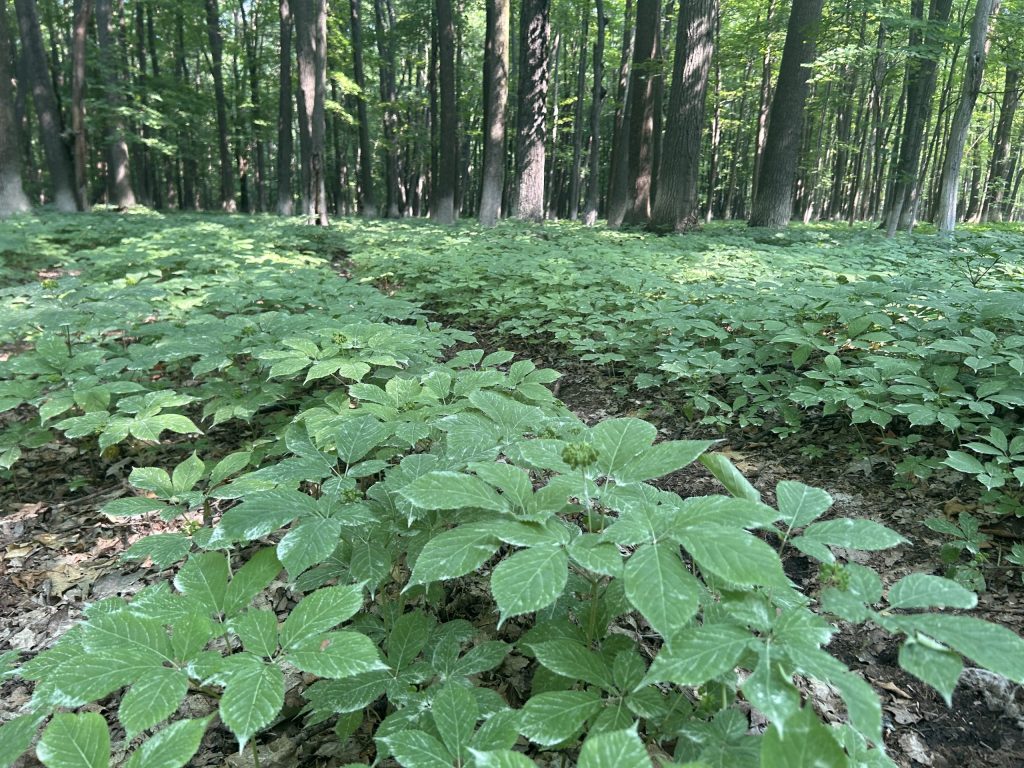
Forest farming
Forest farming is the intentional cultivation of crops such as tree sap, hickory nuts, shiitake mushrooms, fuel wood, and medicinal plants under a managed tree canopy.
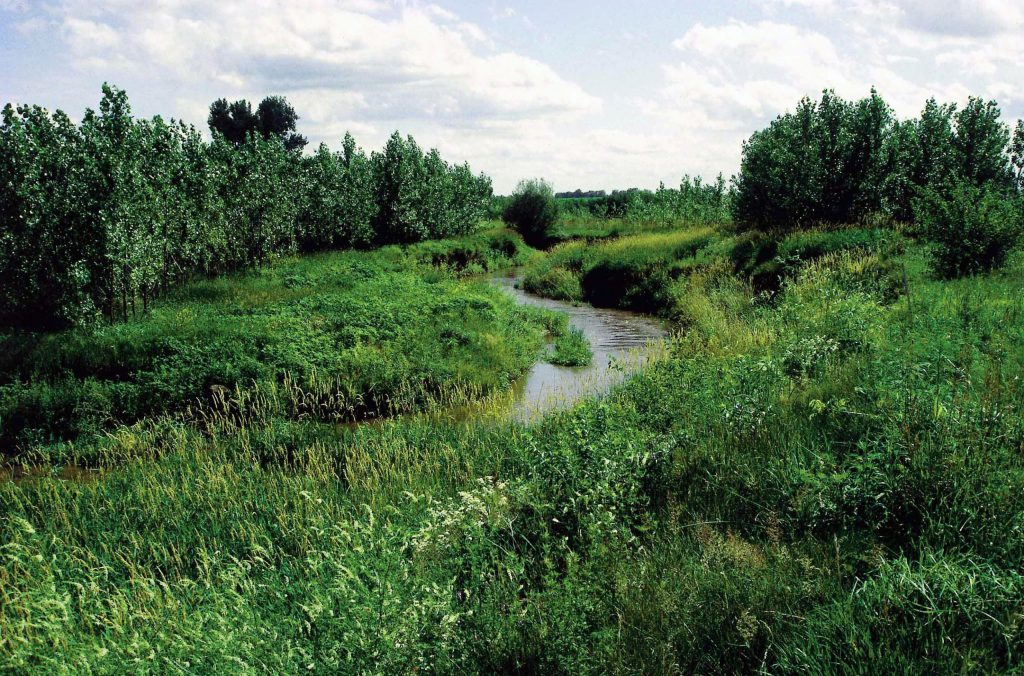
Riparian forest buffers
Riparian forest buffers are trees and shrubs grown next to a body of water for conservation purposes. In many cases, they can also provide harvestable crops.
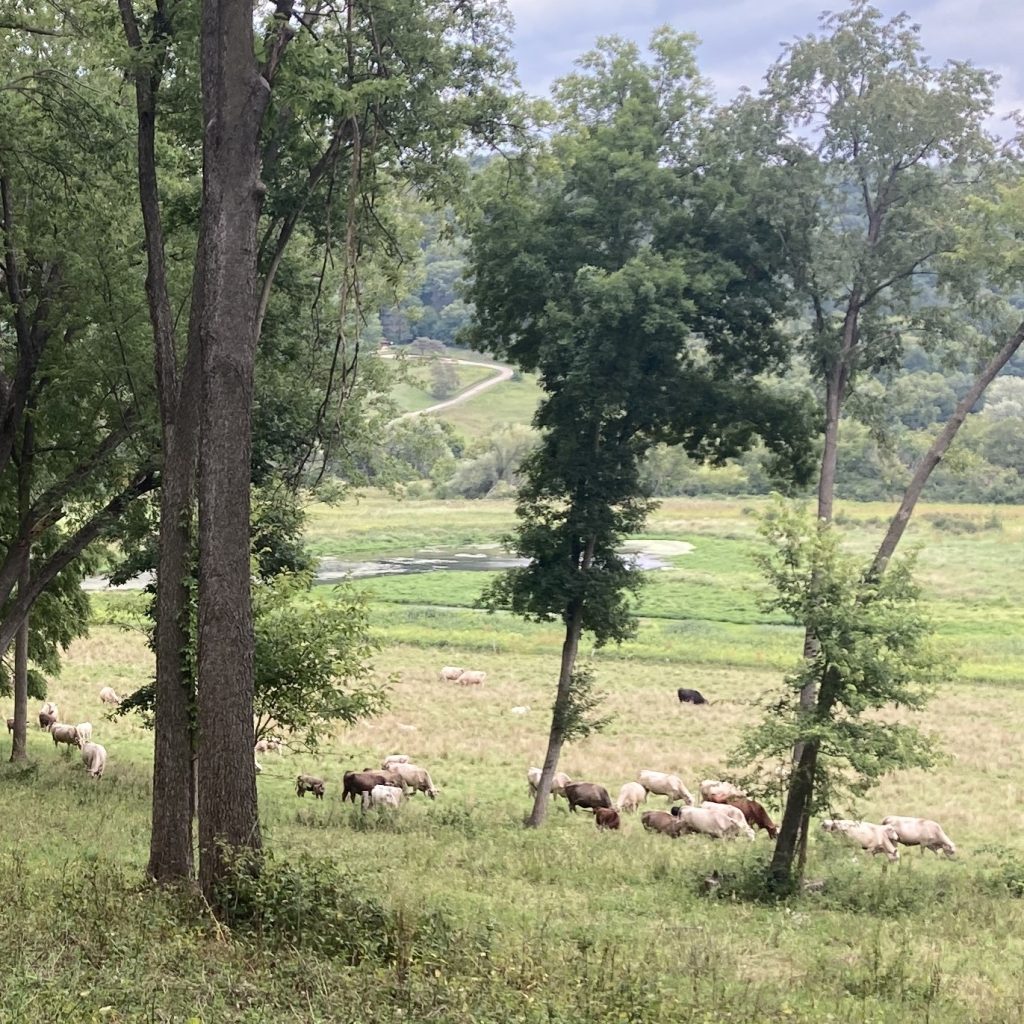
Silvopasture
Silvopasture is the practice of grazing livestock on a landscape with trees. Its benefits include increasing wildlife diversity, improving water quality, and more.
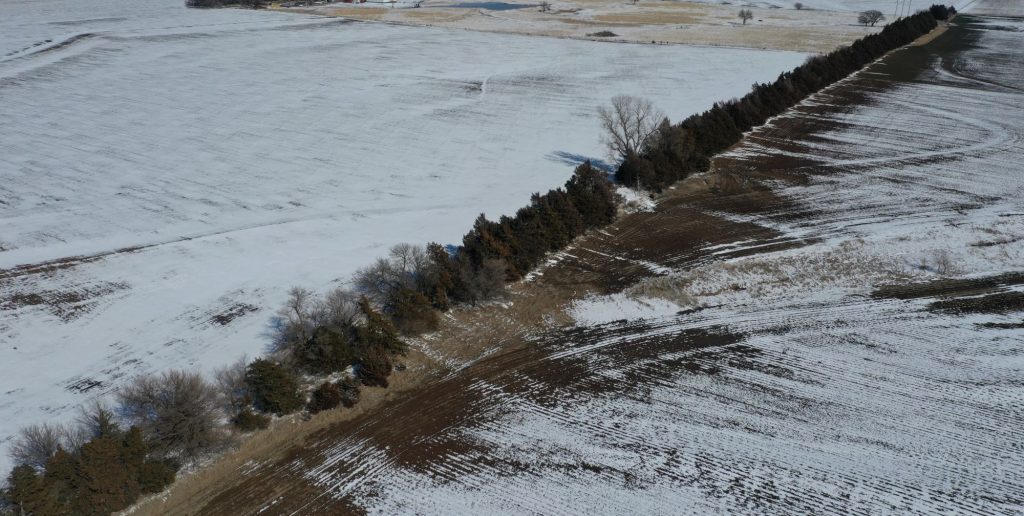
Windbreaks
Windbreaks are rows of trees or shrubs to slow the wind for the benefit of soils, crops, livestock, wildlife, and people. They are a great practice for any property.
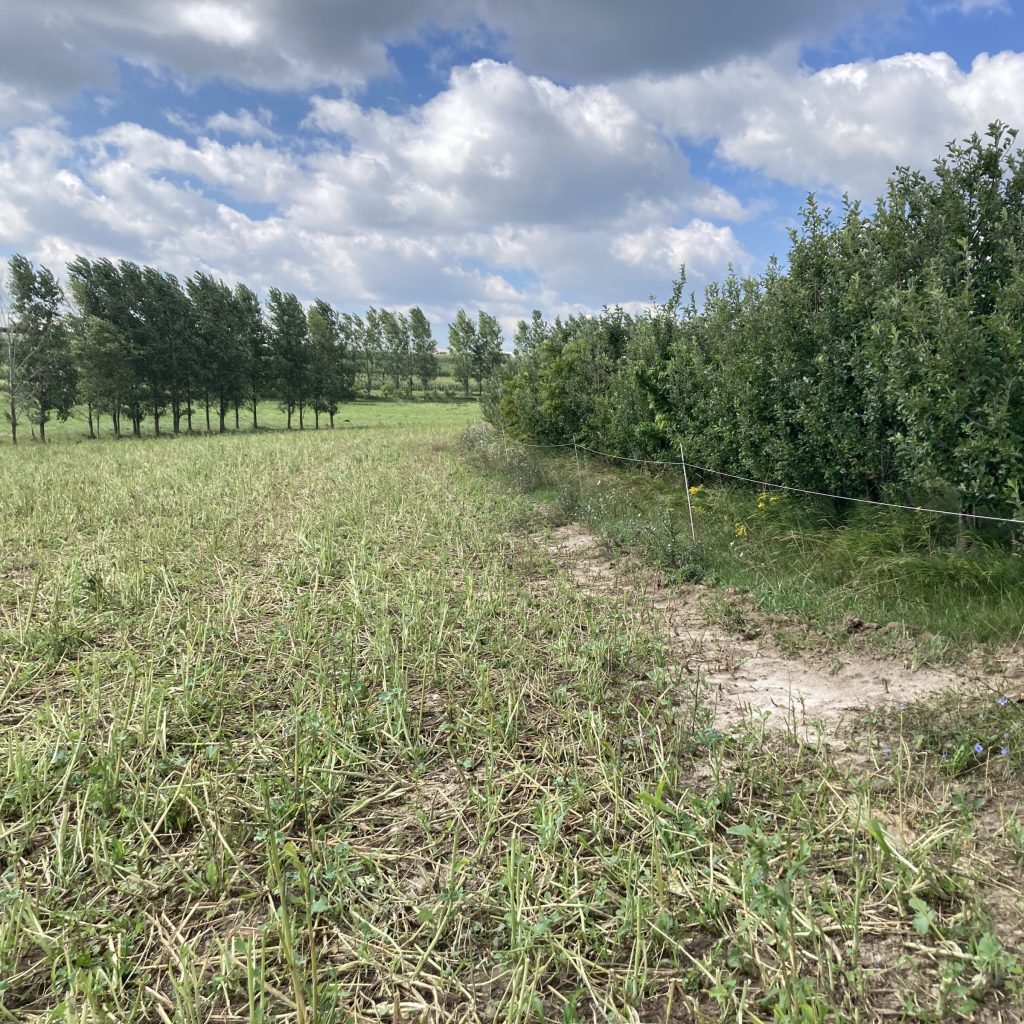
Alley cropping
Alley cropping is the practice of growing rows of trees or shrubs in between alleys of crops. It is a great practice for transitioning cultivated fields to perennial crops. Learn more about alley cropping on the Association of Temperate Agroforestry website.
Who can help you
A vast network of people can help landowners interested in farming or agroforestry.
Each county in Wisconsin has a Land and Water Conservation Department (local name may vary) with staff who support agricultural producers. County assistance often includes tree sales, access to tree-planting equipment, nutrient management planning, farmland preservation, and cost-share and technical assistance to support conservation practices. Find local staff on the WI Land+Water county directory and reach out to see how they can help.
Wisconsin’s Department of Trade, Agriculture, and Consumer Protection (DATCP) operates the Wisconsin Farm Center to help with business planning, financial counseling, and transitioning to alternative agricultural systems.
Wisconsin’s Department of Natural Resources (DNR) provides free on-site consultations to help integrate trees into agricultural landscapes or manage existing woodlots. Find your county’s DNR service forester on the forestry assistance locator.
The USDA’s Natural Resources Conservation Service (NRCS) is the primary federal source for technical design and financial cost-sharing. Contact your county’s District Conservationist to see what programs and assistance are currently available to assist you and your land.
UW–Madison Extension’s Farm Management Program is a great source for research-based, culturally responsive educational programs, information and tools that inform farm business management decisions.
Non-profit organizations like the Savanna Institute offer technical assistance, farm design services, educational workshops, and agroforestry demonstration sites in Wisconsin.
Additional resources
Explore all learning hub webpages
Woodland stewardship topics
Use a chainsaw safely & effectively
> Protective gear for safe chainsaw use
> Grow mushrooms using sawdust spawn
> Grow mushrooms using plug spawn
People and programs who provide assistance
If you have feedback on this webpage, fill out this form. If you have questions about agroforestry on your land, contact:

Tony Johnson
Forestry Educator
anthony.johnson@wisc.edu
608-386-8900
Page written by Tony Johnson and Sky Hershberger (UW–Madison Extension). Last updated May 2026.
Additional photo credits:
- Aerial photo of windbreak: Ryan Armbrust, Kansas Forest Service, Bugwood.org