

Home » Learn about Woodland Stewardship » Enjoy Recreation in Your Woods
Enjoy Recreation in Your Woods
Enjoy Recreation in Your Woods
Related webpages
Most landowners do not look at their woods and think of boards and cords, or timber revenue; rather, they see relaxation, solitude, wildlife, or a space to bond with family and friends. No matter what you see when you look at your woods, the trees are inherently tied to that vision. If you understand that connection, you can get the right arrangement of trees to achieve your goals for recreating in your woodlands.
Trails and access
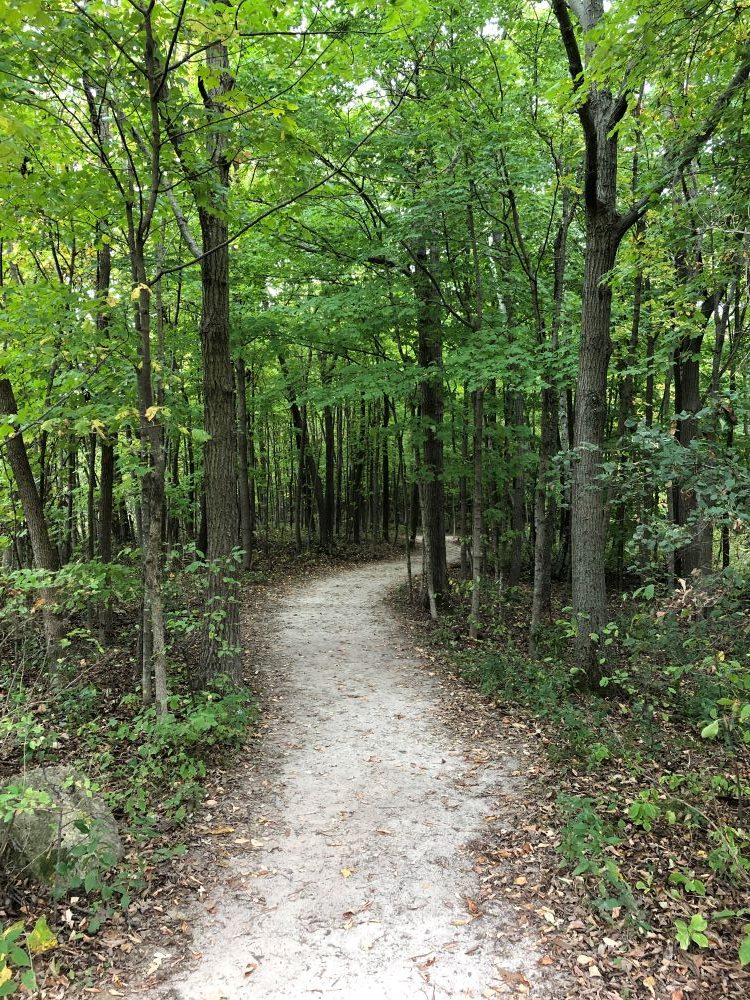
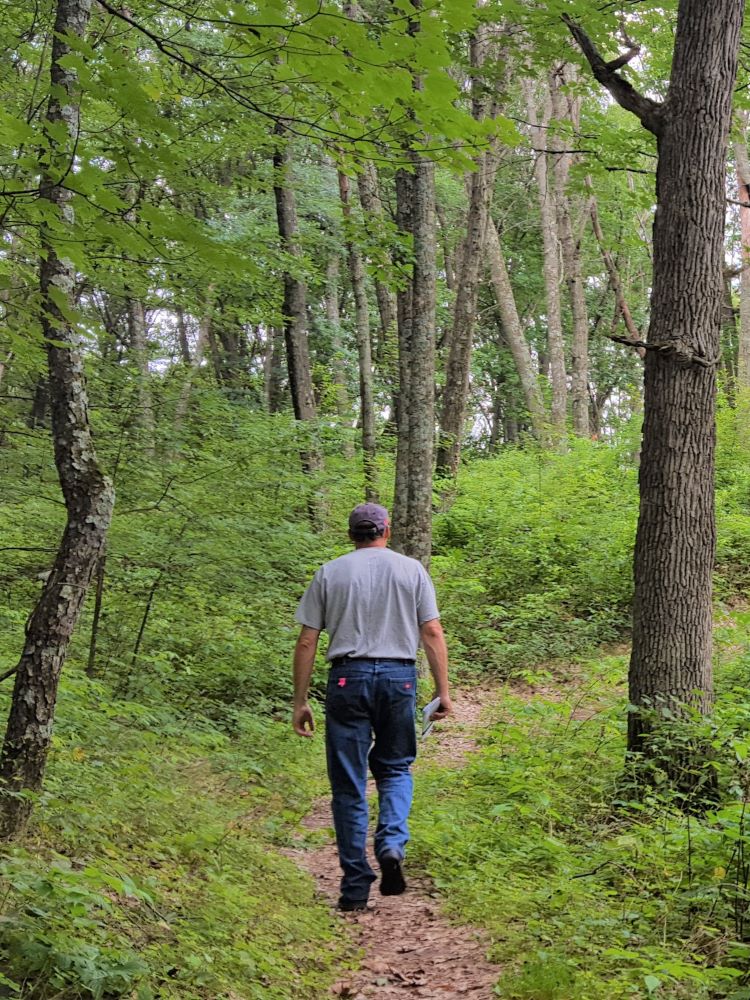
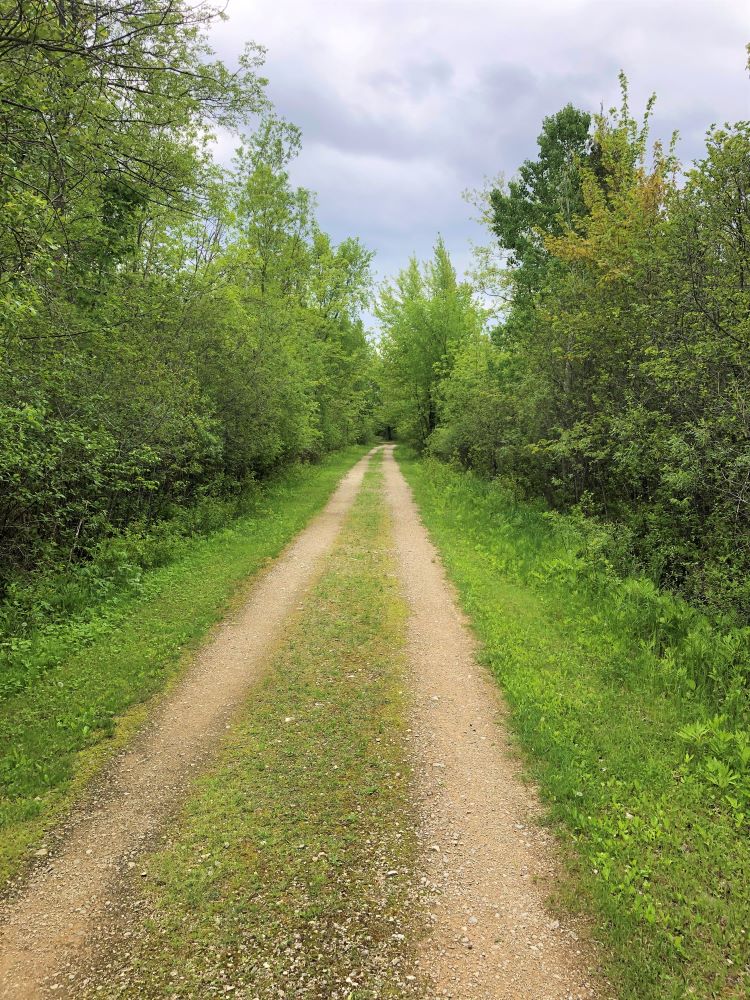
Access to and through your woodland can improve the opportunities for recreation. While roads tend to be more permanent and may require permits, trails can be more flexible. You should carefully consider potential uses and number of users before you start to clear and construct any paths.
The first thing to think about is how you want to utilize the trails. What kinds of vehicles will be traveling on it, and how fast do they need to go? What do you want to reach with the trail? Timber? Hunting areas? Sites for viewing? All of the above? If you can envision a time where there will be large and heavy equipment traversing your trails, then you need to install a robust tread for the wheels or tracks to ride on and a wide path with few sharp turns for easy navigation.
If your use will be limited to smaller vehicles like cars or ATVs, then you have a lot more flexibility laying out paths and utilizing steeper slopes. And if you expect only foot traffic (hiking, snowshoeing, cross-country skiing), you might be able to venture into more vulnerable areas of your forest by maintaining smaller, less constructed trails.
Finally, consider what kinds of equipment you will be using to maintain the trails you are building. If all you have is a regular riding lawn mower with a 36-inch deck, then you might be spending all your free time keeping your trails mowed.
Once you have a trail, you’ll need to maintain it. Even trails over flat terrain can suffer from ruts and erosion due to overuse and rain. Seeding trails with grasses and keeping them mowed will help to hold the soil in place. Turns and curves in the trail might require the addition of crushed gravel to ensure the tread is firm and does not get displaced. Diverting rainwater off your trail as fast as possible is also important to keep it in good shape.
The webinar recording below has more information on how you can improve your roads and trails for better access and wildlife habitat.
Aesthetics
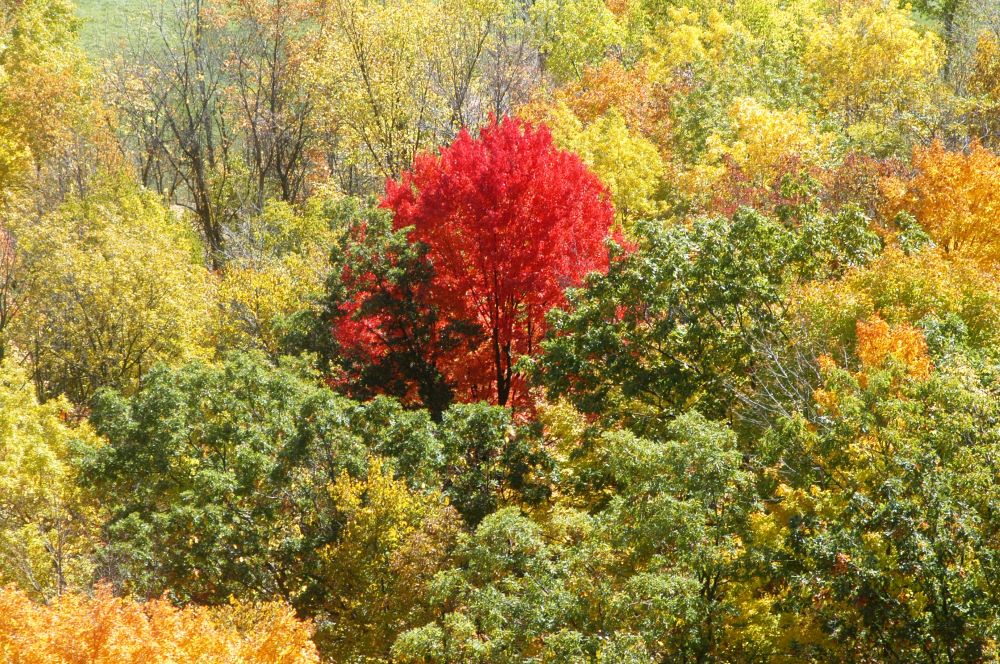
You likely appreciate your woods for the beauty they provide. All the senses come in to play when you are walking in your woods. You see the leaves fluttering in the wind, you smell the damp ground after a rain, and you hear the frogs singing as a sign that spring is finally here. In order to enhance or even preserve these aspects, it helps to define which features in particular you are most interested in.
Are there particular colors or textures you like? Leaves, needles, and ground vegetation provide different shades of green or different colors altogether. Then fall comes along, and the likes of aspen, oak, and tamarack provide another palette of colors. Leaves and bark also have appealing textures: think about the peeling of birch bark and puzzle pieces of red pine bark.
Do you like to walk in your woods and have a clear open path, or do you like to get lost in the variety of shrubs and vegetation at your feet? When you are wandering, what do you hear? Leaves rustling? Birds singing? Trees creaking? Water rushing or trickling? Grouse drumming? Is there something missing that you used to hear?
What do you smell? Wild leeks under your feet? Leaves and other debris rotting? Fresh cut trees? Balsam fir? Each of these sensory experiences can be influenced through various management techniques, many of which involve planting and cutting trees.
Wildlife viewing and hunting
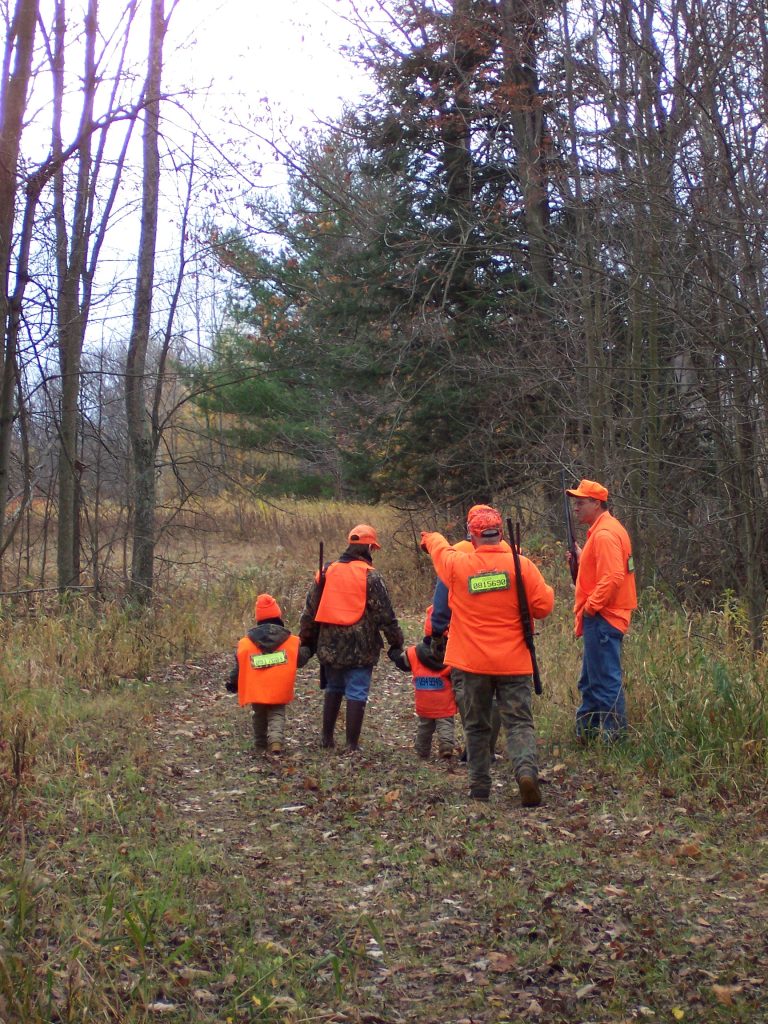
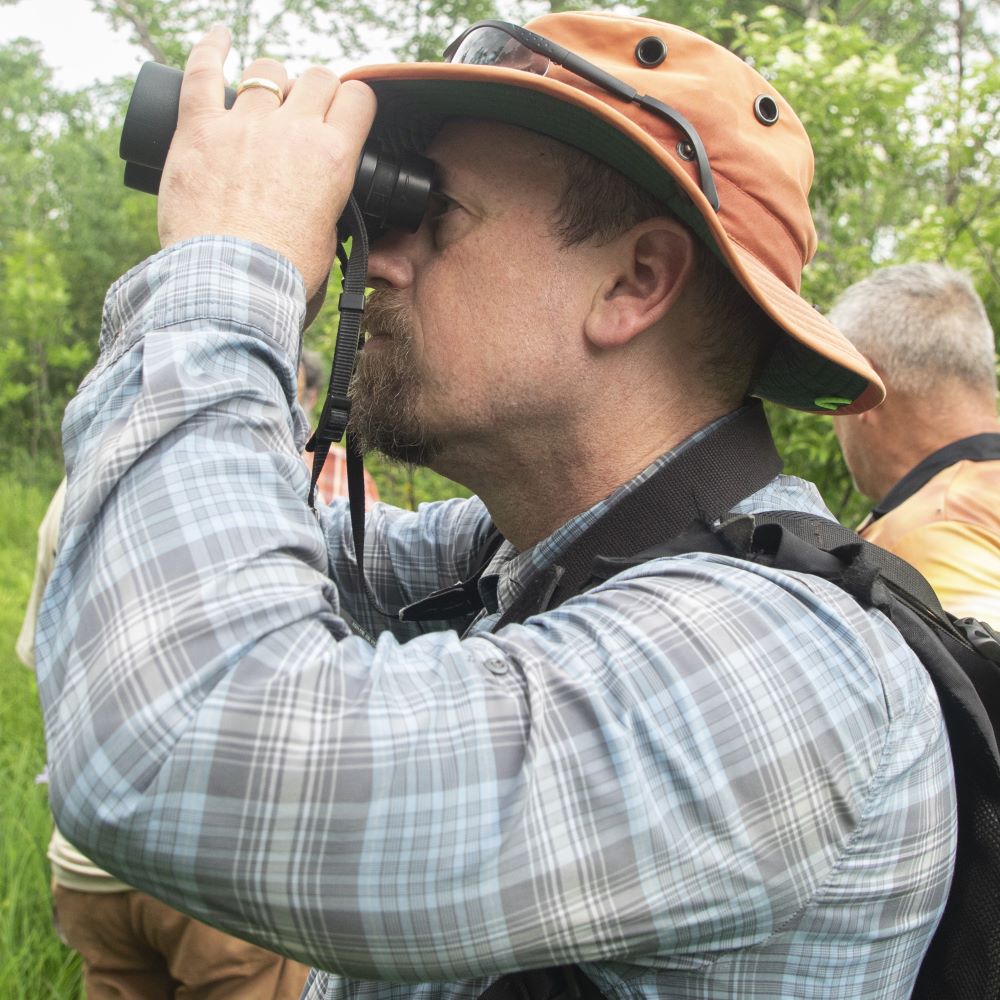
Some of the most important reasons landowners cite for owning woodlands relate to wildlife. You might enjoy wildlife in numerous ways. Maybe you purchased woodland property as a place to hunt, enjoy the tracks and nests of visiting wildlife, or keep lists of the bird species you’ve seen. Reflect on what you value most about wildlife and use that to guide your management goals.
Before getting started with any big wildlife projects, take the time to inventory the wildlife (PDF) who are already in your woods and the types of habitats you have already—or could possibly create. Then you can adapt your property to provide the four things wildlife need: food, water, shelter, and space.
To attract wildlife to a property, you’ll likely need to do things like harvest trees, plant trees or shrubs, increase the number of snags, and create brush piles. We recommend working on this with a wildlife professional and a forester. Organizations like the Ruffed Grouse Society, the National Wild Turkey Federation, Ducks Unlimited, and Trout Unlimited can provide advice and assistance. Before contacting these organizations, try to identify some measurable objectives for your forest. Some examples are increased population of certain species, increased diversity of wildlife or habitat, or increased wildlife traffic through the property.
Avoiding outdoor hazards
Although the vast majority of Wisconsin’s plants and animals are harmless to humans, our forests do have several noxious plants and animal hazards to be aware of. The best way to avoid them is to learn to recognize them and where they are found. Spending a little bit of time learning their characteristics and taking reasonable precautions will go a long way towards making your time in your woods a lot more enjoyable.
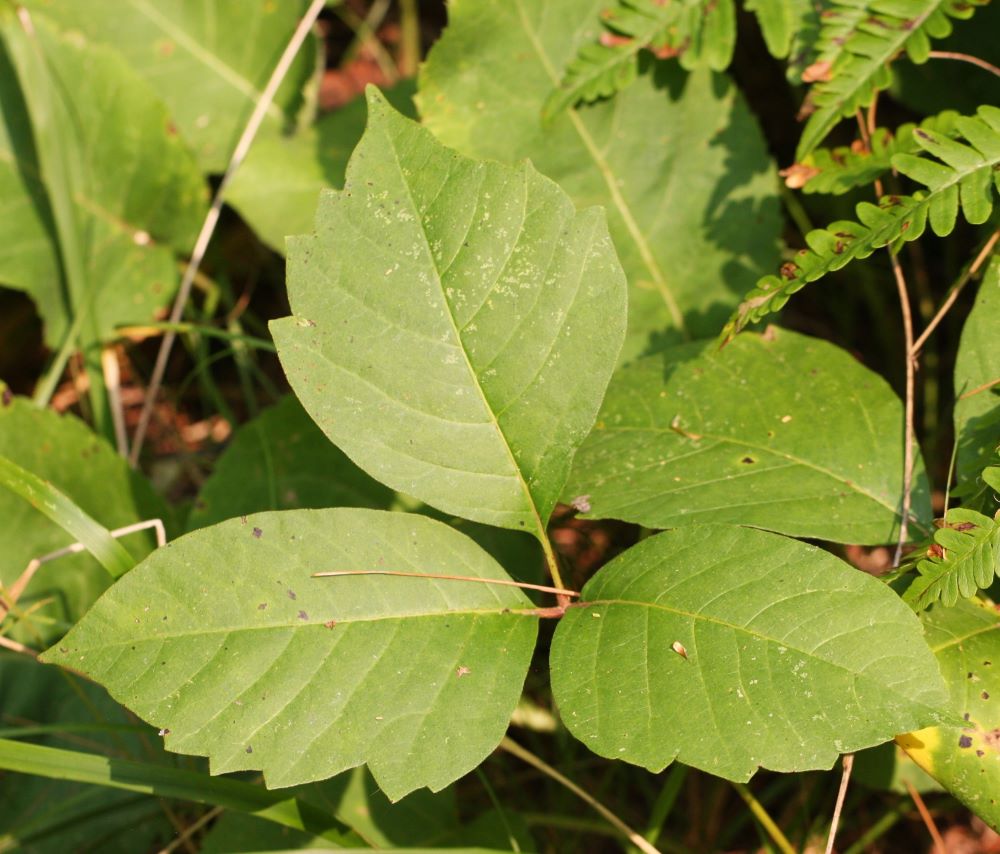
Poison ivy is a native perennial plant that grows as a vine or a low shrub. When you touch it, you can get skin rashes, blisters, or other allergic reactions.
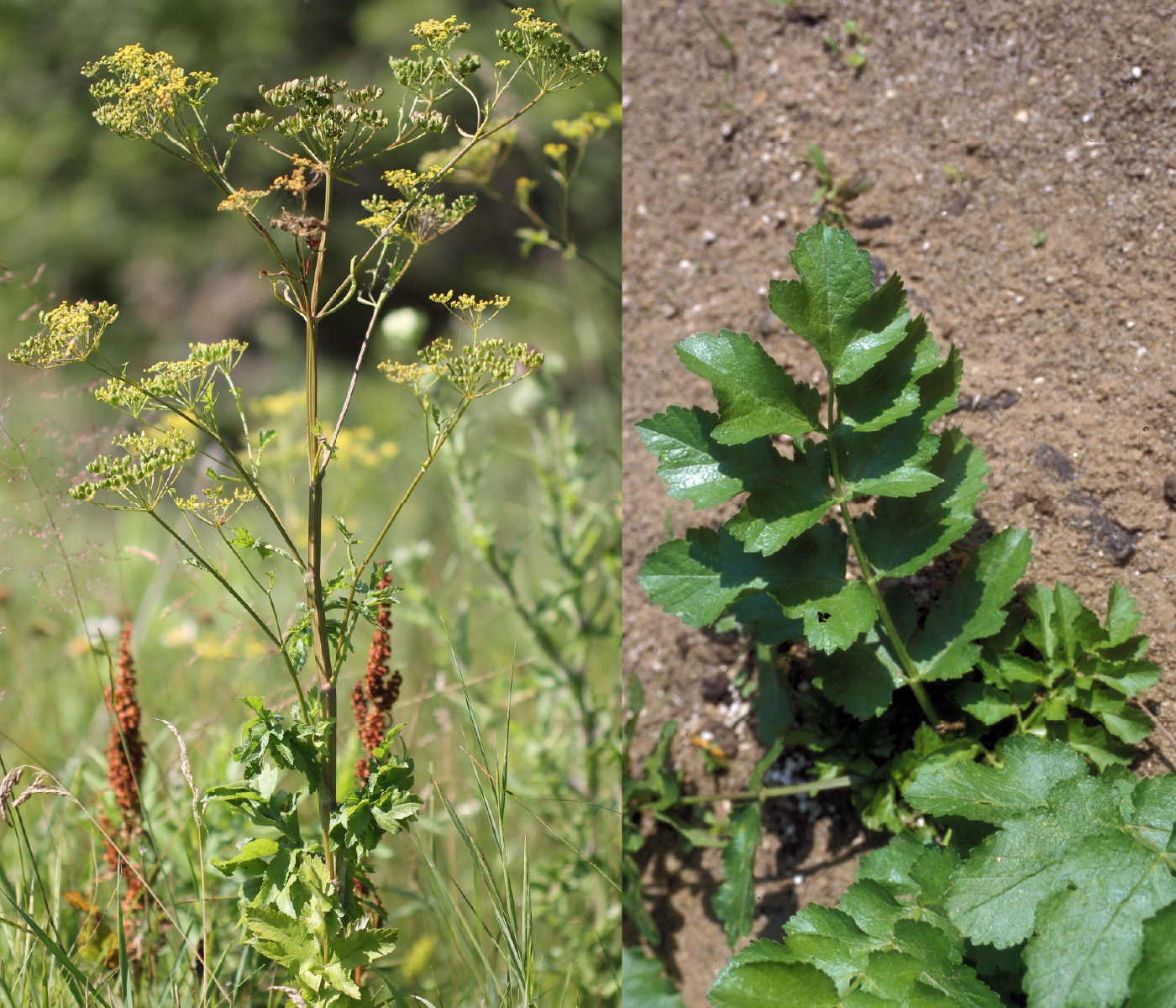
Wild parsnip is an invasive biennial or perennial plant in the carrot family. If its sap touches your skin, it will make your skin very sensitive to sunlight, causing painful blisters that give way to scars.
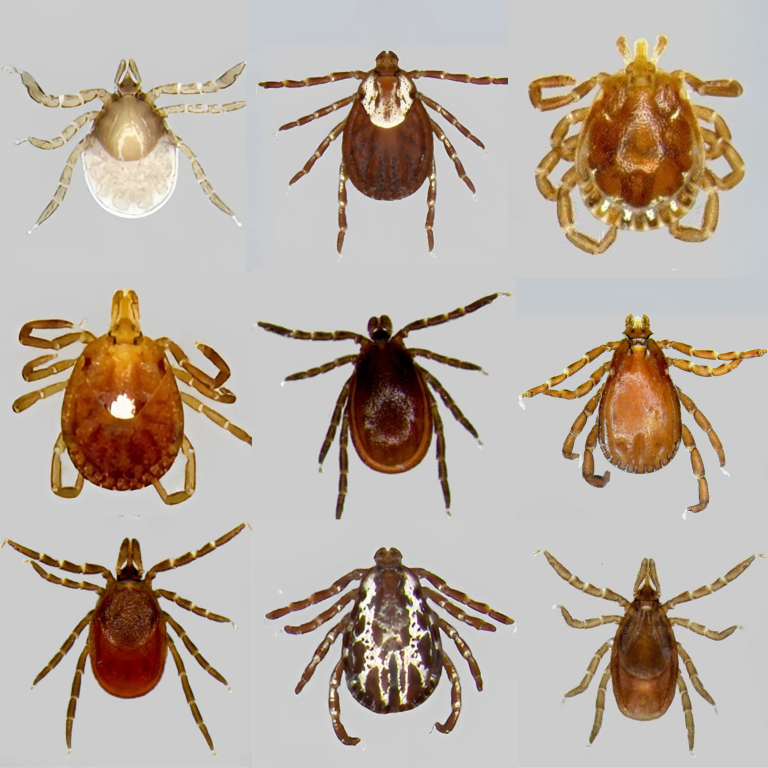
Ticks can carry diseases such as Lyme disease and babesiosis. Tick populations are increasing due in part to our warming climate, but wearing long sleeves and long pants and treating your gear with permethrin can help prevent bites.
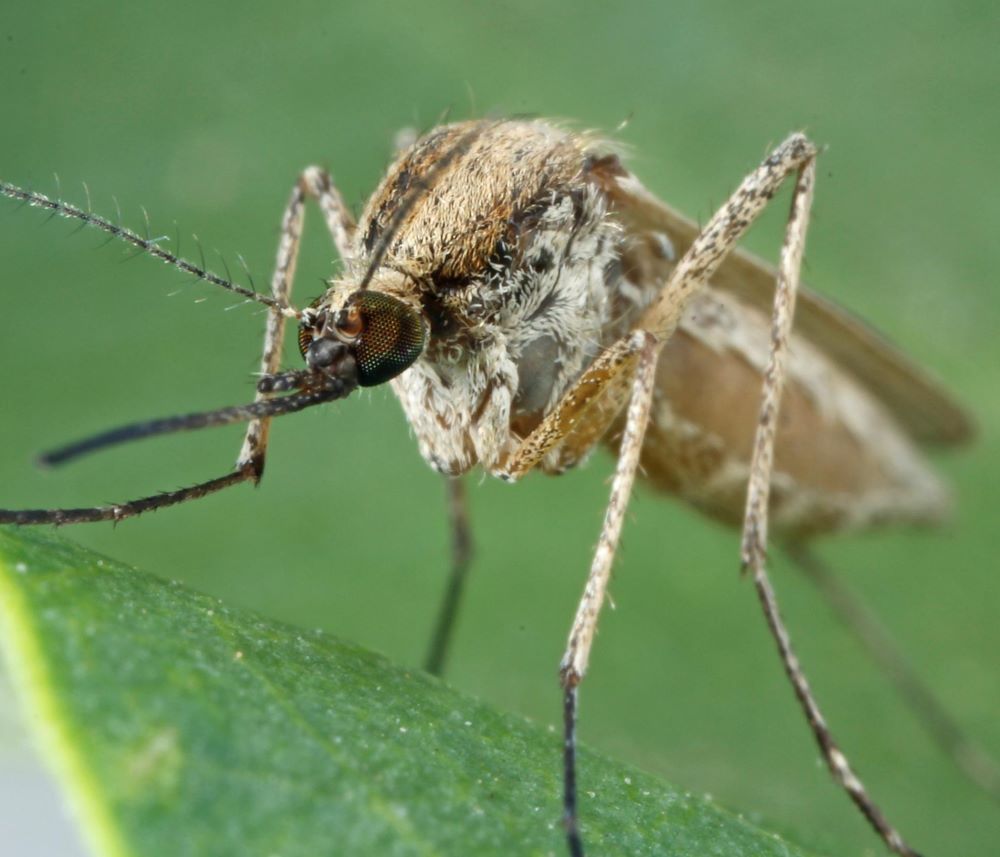
Mosquitos in Wisconsin sometimes carry La Crosse encephalitis and West Nile virus, but their bites are annoying even if you don’t get sick from them. Wearing light-colored long sleeves and long pants and applying repellants can help keep mosquitos away.
Additional resources
Explore all learning hub webpages
Woodland stewardship topics
Use a chainsaw safely & effectively
> Protective gear for safe chainsaw use
> Grow mushrooms using sawdust spawn
> Grow mushrooms using plug spawn
People and programs who provide assistance
If you have feedback on this webpage, fill out this form. If you have questions about recreation in your woods, contact:

Tony Johnson
Forestry Outreach Specialist
anthony.johnson@wisc.edu
608-386-8900
Page written by Kris Tiles, Bill Klase, Tony Johnson, and Scott Hershberger (UW–Madison Extension). Last updated April 2026.
Additional photo credits:
- Poison ivy: Steven Katovich, Bugwood.org
- Wild parsnip flowers: Rob Routledge, Sault College, Bugwood.org
- Wild parsnip leaves: Ohio State Weed Lab, The Ohio State University, Bugwood.org
- Ticks: UW–Madison Department of Entomology
- Mosquito: Joseph Berger, Bugwood.org
- Jason Riddle looking through binoculars: Heike C. O’Day