

Home » Learn about Woodland Stewardship » Beyond Timber: Grow and Gather in Your Woods » Grow American Ginseng in Your Woods
Grow American Ginseng in Your Woods
Grow American Ginseng in Your Woods
Learn about other goods to grow and gather in your woods
As Wisconsin woodland owners, we are caretakers for some of the richest forests in the Midwest. For generations, our hardwood forests (sugar maple, basswood, and oak) provided the perfect sanctuary for American ginseng (Panax quinquefolius). Today, however, due to decades of intense deer browsing, habitat loss, and unsustainable harvesting, wild ginseng has been pushed to an at-risk status across much of its range.
But here is the exciting part: you have the power to make an impact on your own property. By stewarding wild American ginseng or establishing a plot of wild-simulated ginseng, you aren’t just adding value to your woods—you are participating in a conservation effort to keep an at-risk native species on the landscape.
If you are participating in the Ginseng Patch Project, you can follow along on this webpage for each month’s content and actions to take in your woods.
August: Learn about ginseng’s lifecycle and assess your woods
Are you curious if your woodlot has what it takes to grow wild-simulated American ginseng? Dive into the biology of this remarkable plant and learn how to evaluate your forest floor. Whether you are hoping to plant a test plot or unsure if wild ginseng is already growing on your land, here are some practical resources to get started.
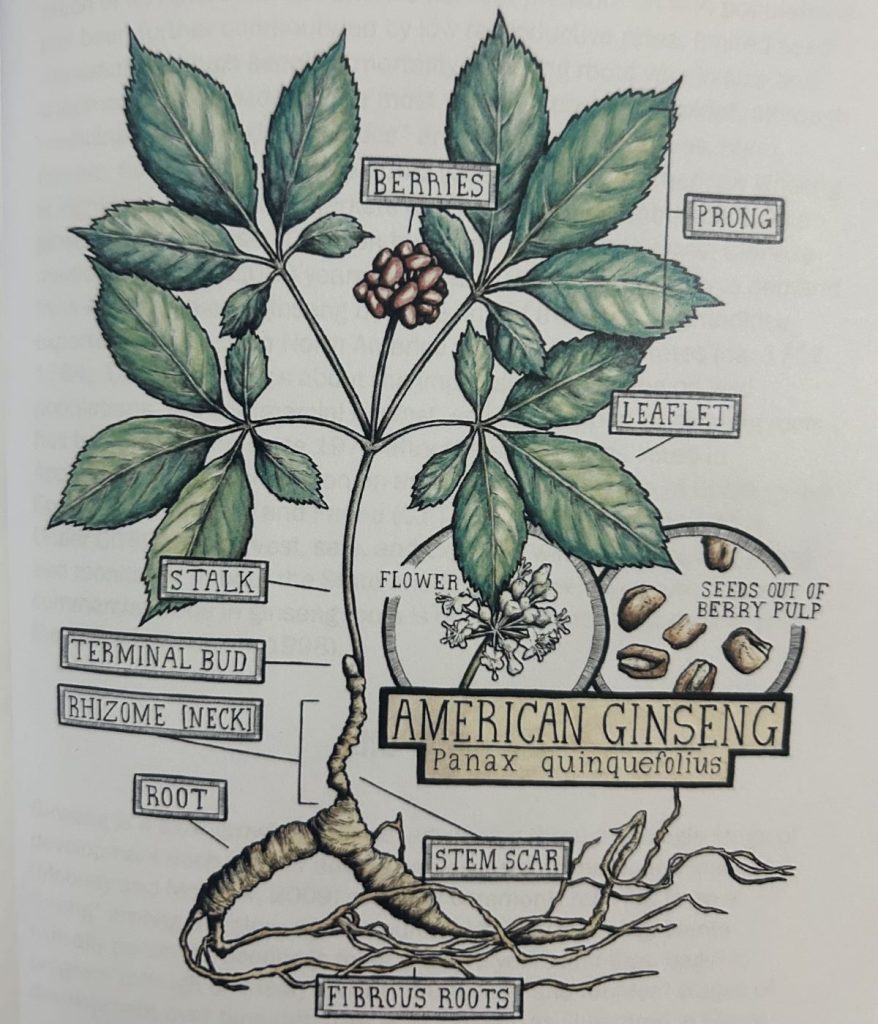
Credit: Rural Action, United Plant Savers, and Appalachian Sustainable Development
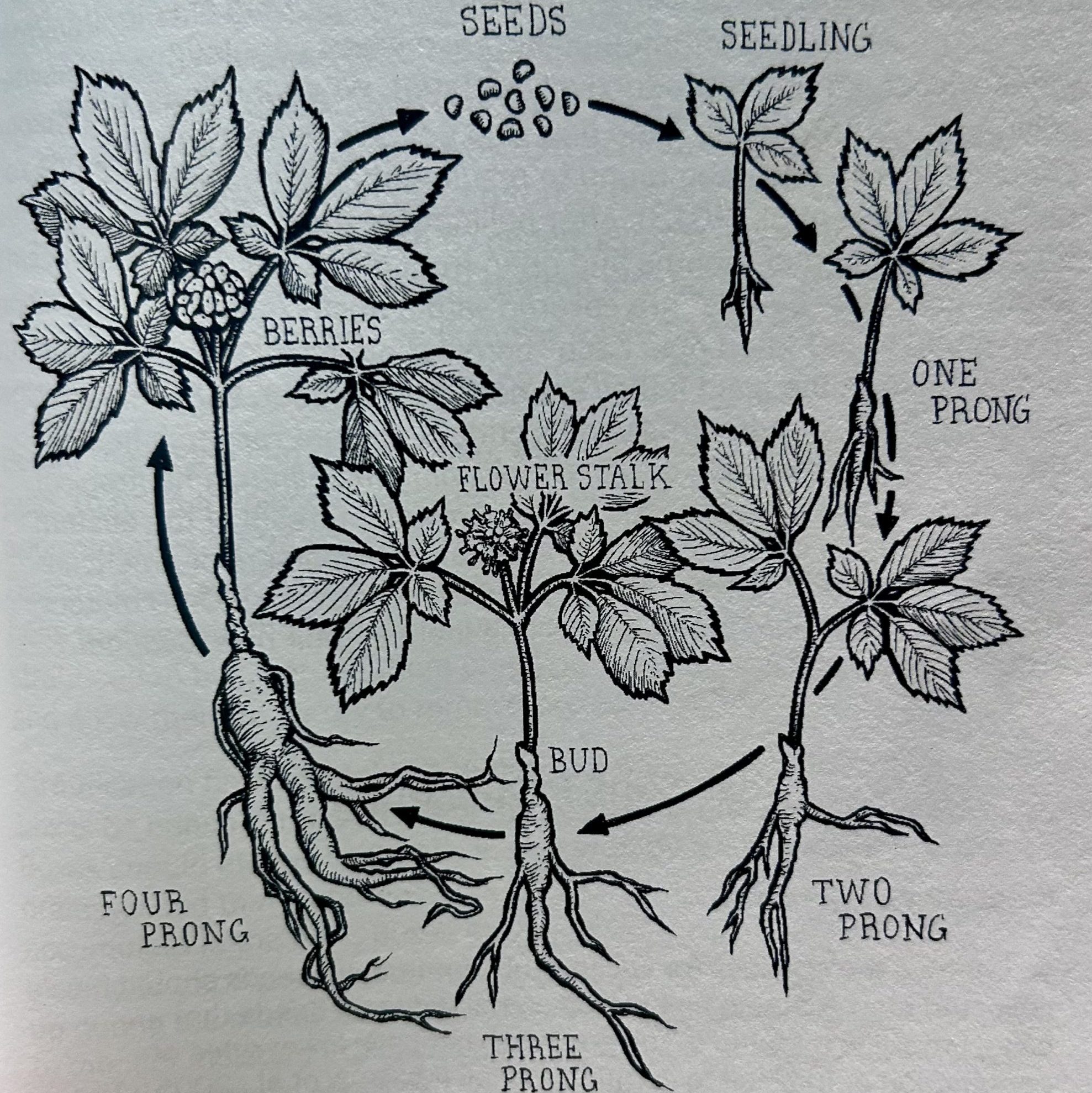
Credit: Rural Action, United Plant Savers, and Appalachian Sustainable Development
Learning objectives (click links below)
- The essentials: Read about American ginseng’s history, biology, and fascinating lifecycle.
- The habitat: Ginseng thrives on north- and east-facing hillsides under a dense hardwood canopy (~75% shade), identify suitable ginseng habitat on your own land, and be able to identify American ginseng growing in the wild (see below).
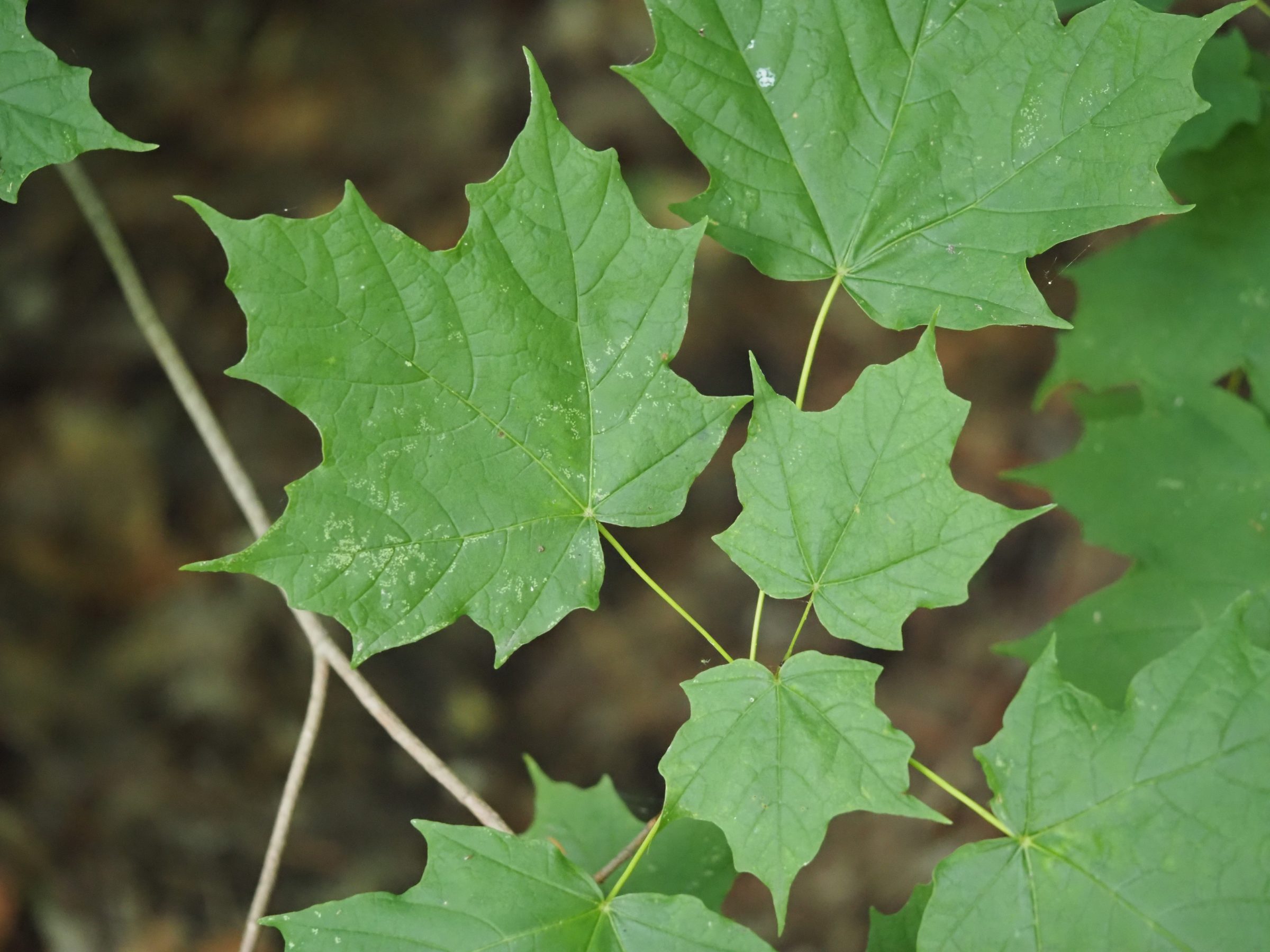
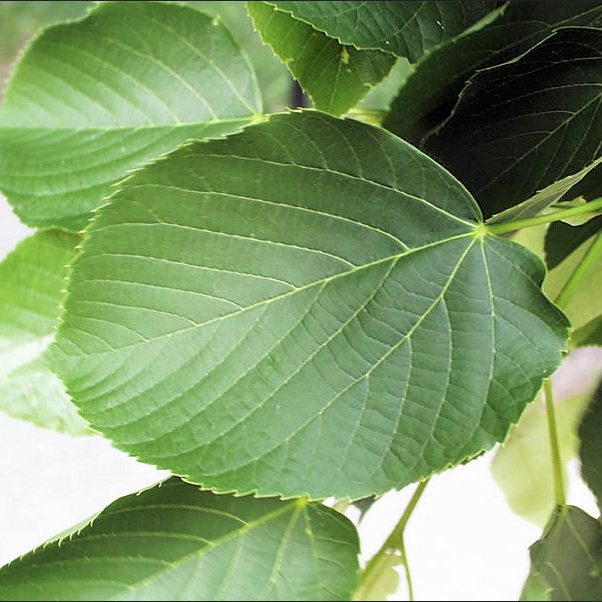
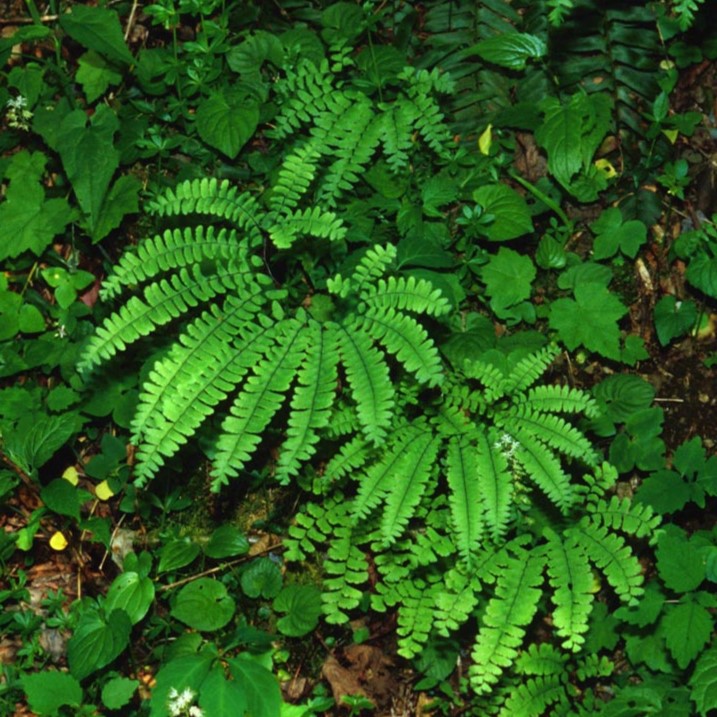
- Reading the forest floor: Identify “indicator plants”—like sugar maple, basswood, maidenhair fern, bloodroot, blue cohosh, and Jack-in-the-pulpit—in your own woods. These indicator plants imply that your woodland may be suitable for American ginseng.
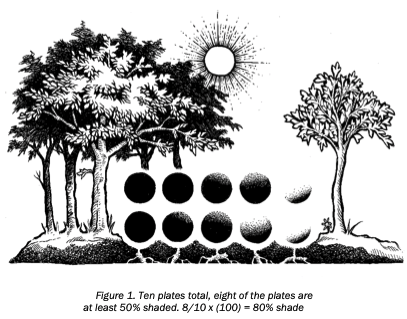
Determining percent shade
To determine the percent shade at a spot in your woodland, follow this process from a guide by Ohio State Extension:
“Place 10 white paper plates at even distances on the ground at approximately noon on a sunny summer day. Count the number of plates that are at least half shaded. Next, divide the number of shaded plates by the total number of plates placed on the ground. Multiply this number by 100. If this number is 70 or greater the site is probably shady enough to grow ginseng.”

The USDA’s Web Soil Survey allows you to create a custom soil (and slope) map for your woods. New to Web Soil Survey? Check out this short video that outlines how to create your own slope and soil map.
Understanding slope and soils
Percent slope is determined by dividing the rise over run and multiplying by 100. For a 10 ft-wide plot, a 1 ft. drop from side to side equals a 10% slope (1/10 x 100 = 10%), and a 2 ft. drop across that plot would be a 20% slope. Figuring the exact slope is less critical than understanding what you’re looking for. You want enough slope (10-20%) so water won’t pool, but not so much (>25%) that access and erosion become problems.
North- and east-facing slopes are preferred by American ginseng, and they are generally cooler and wetter than south- and west-facing slopes.
American ginseng identification
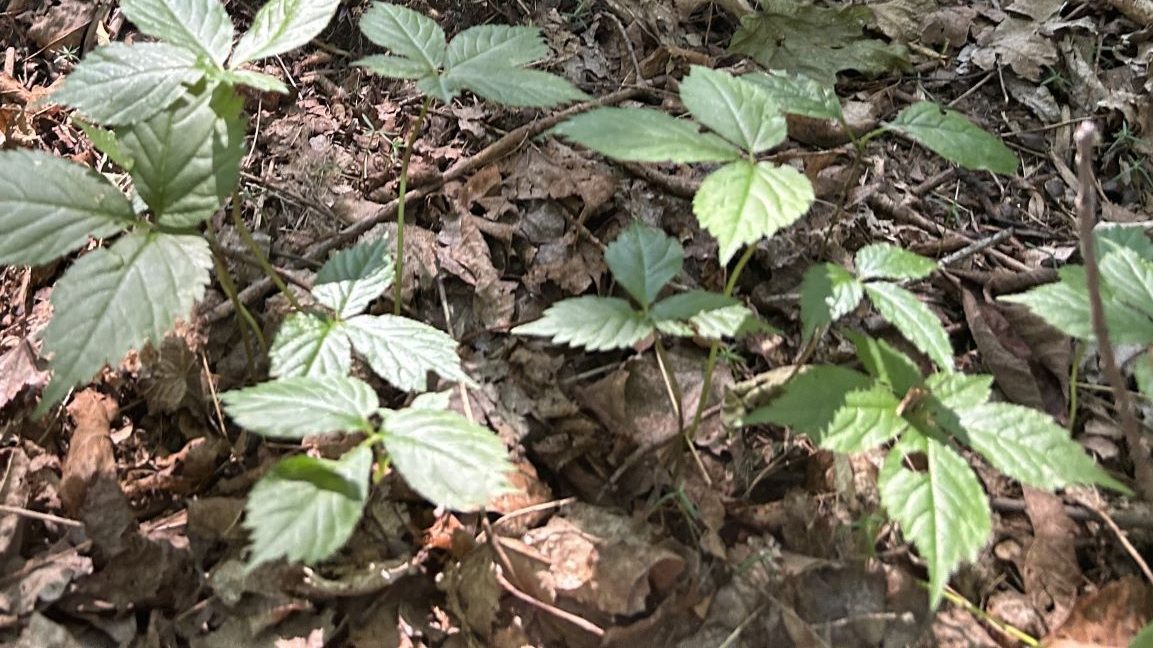
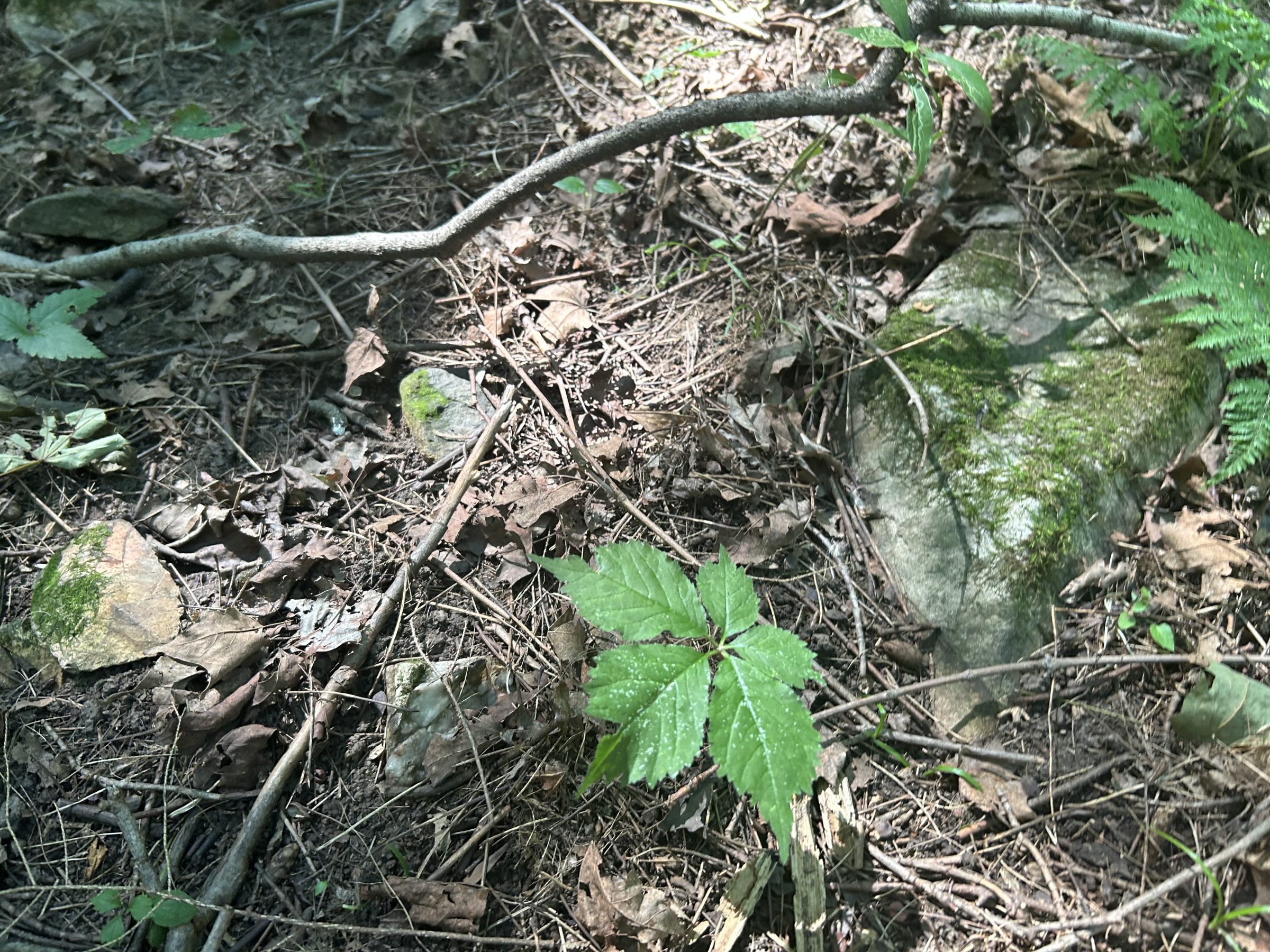
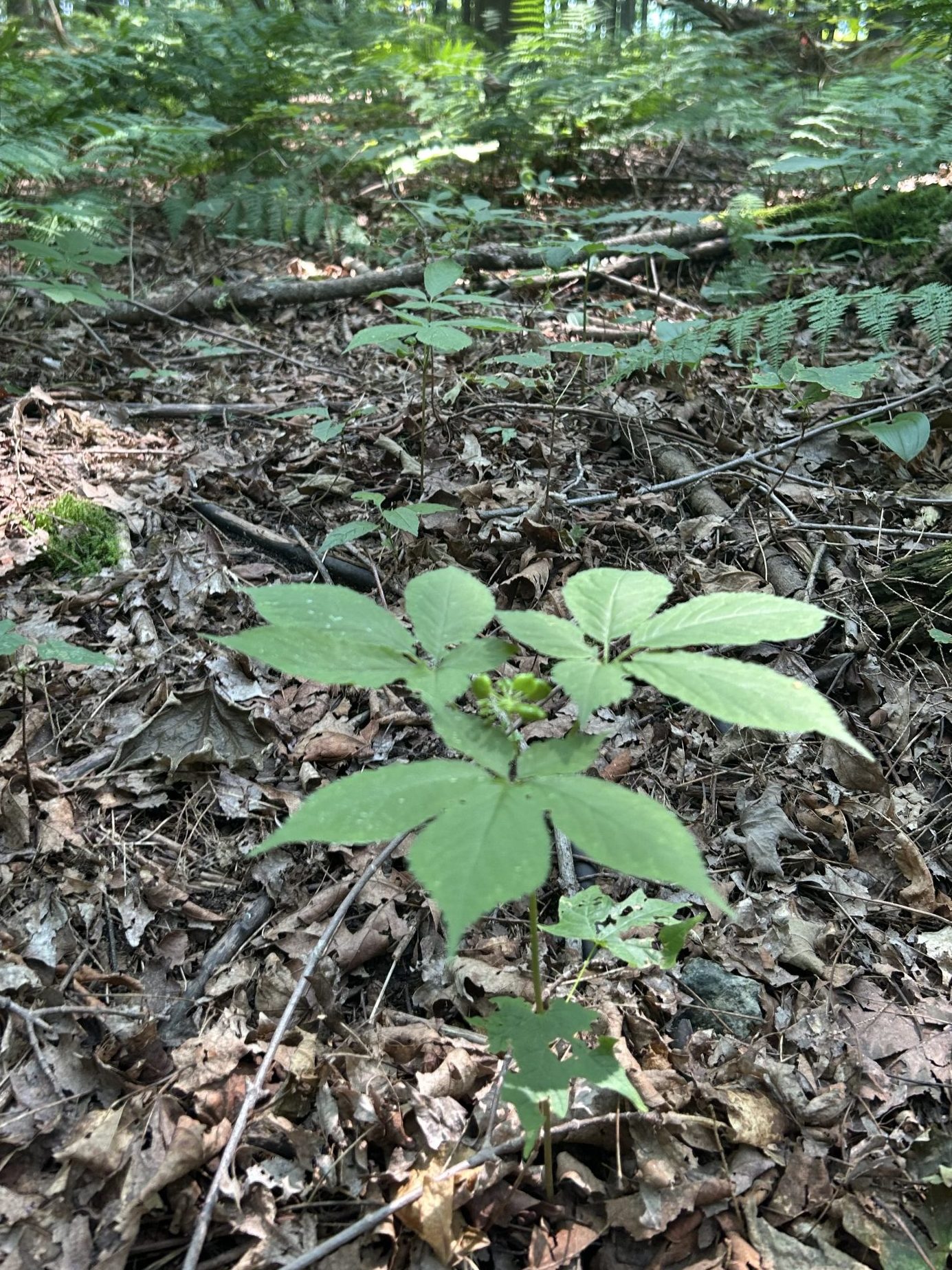
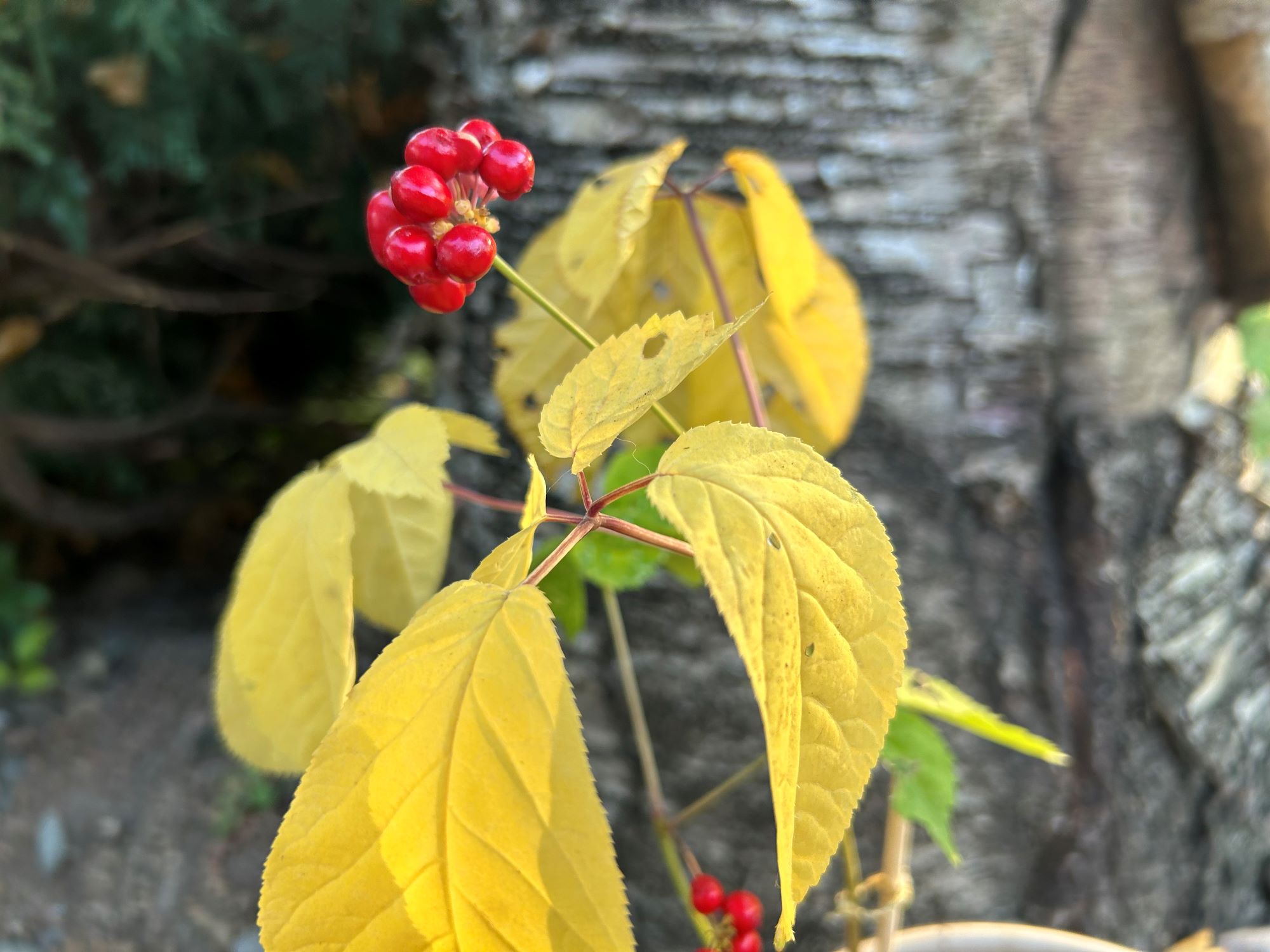
American ginseng indicator plants
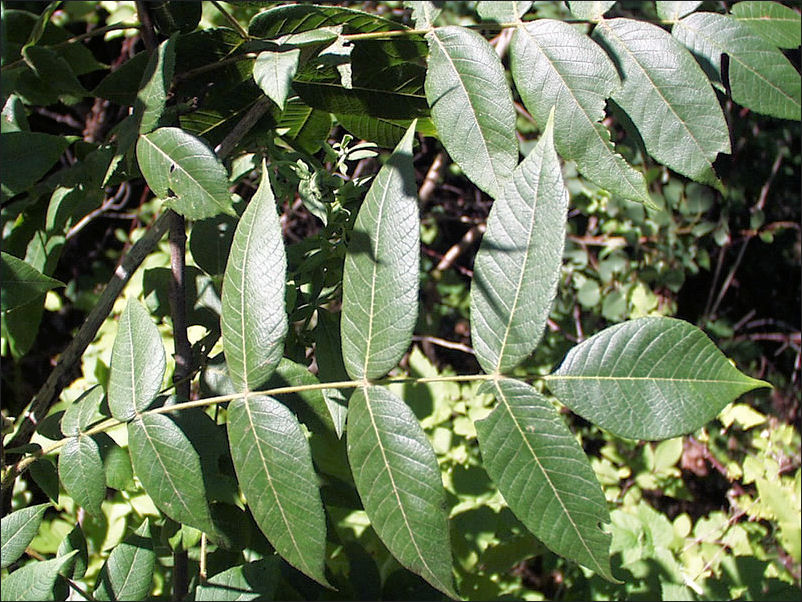
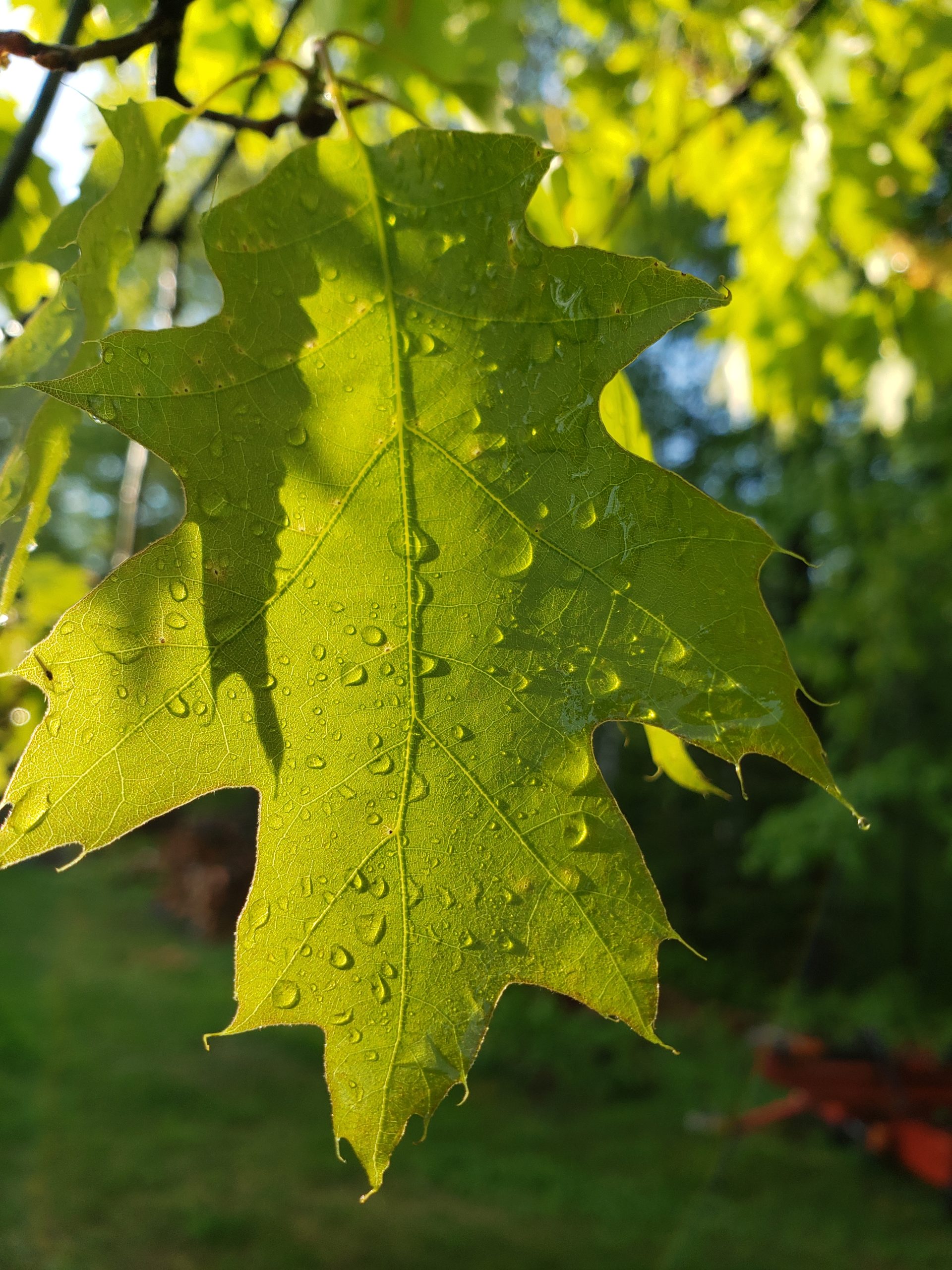
Indicator plants grow in the same habitat as American ginseng plants. If you find these plants in your woods, there is a good chance that ginseng could grow there too.
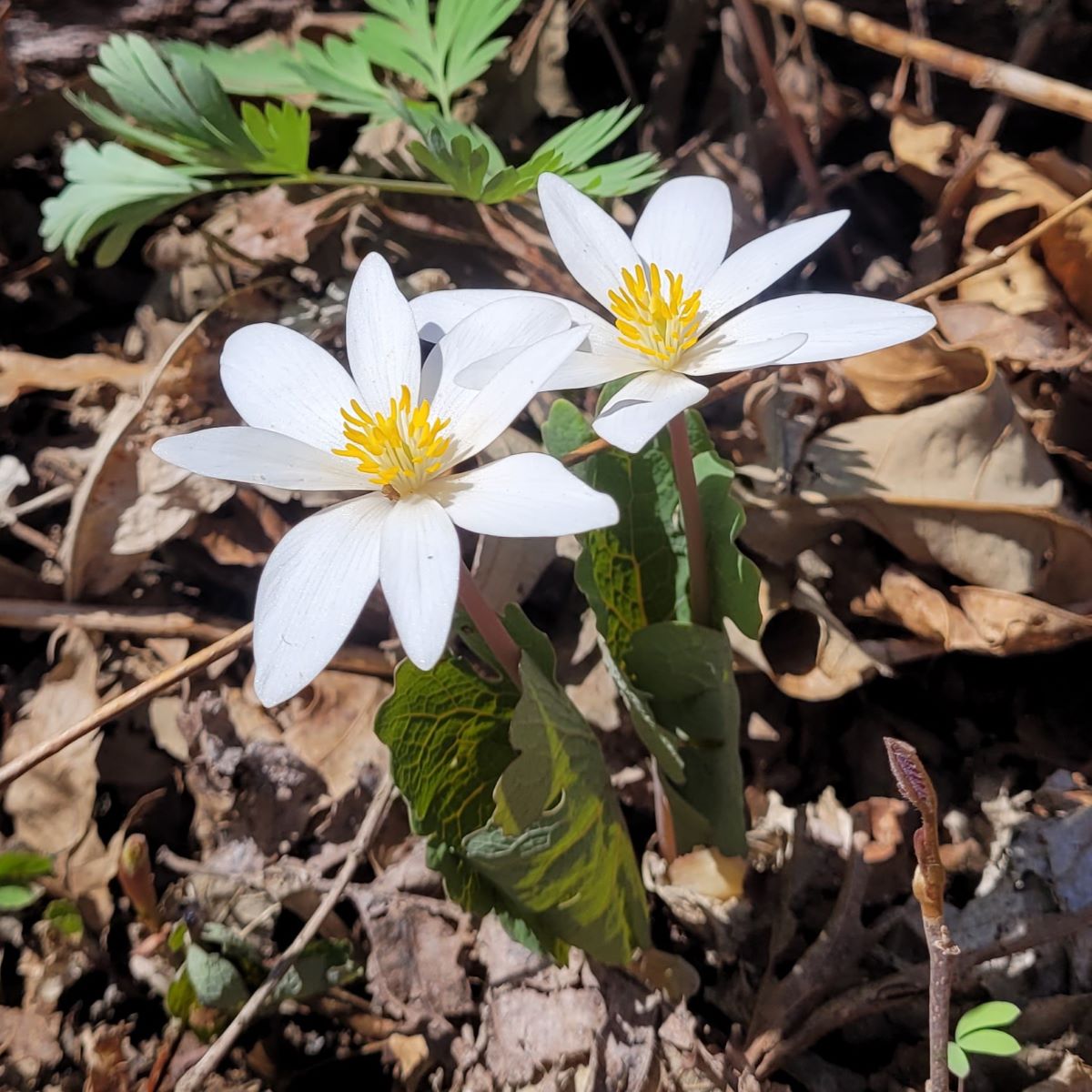
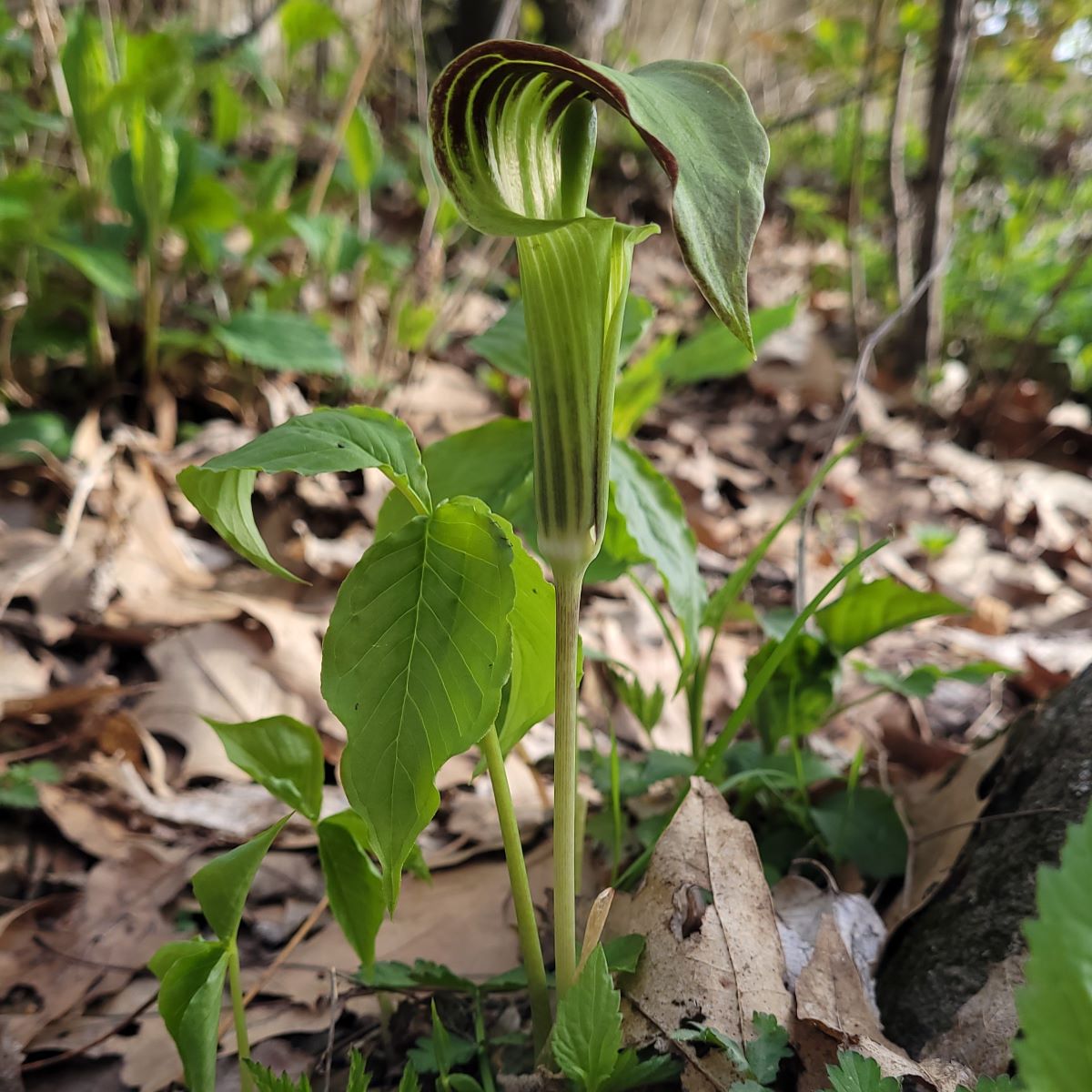
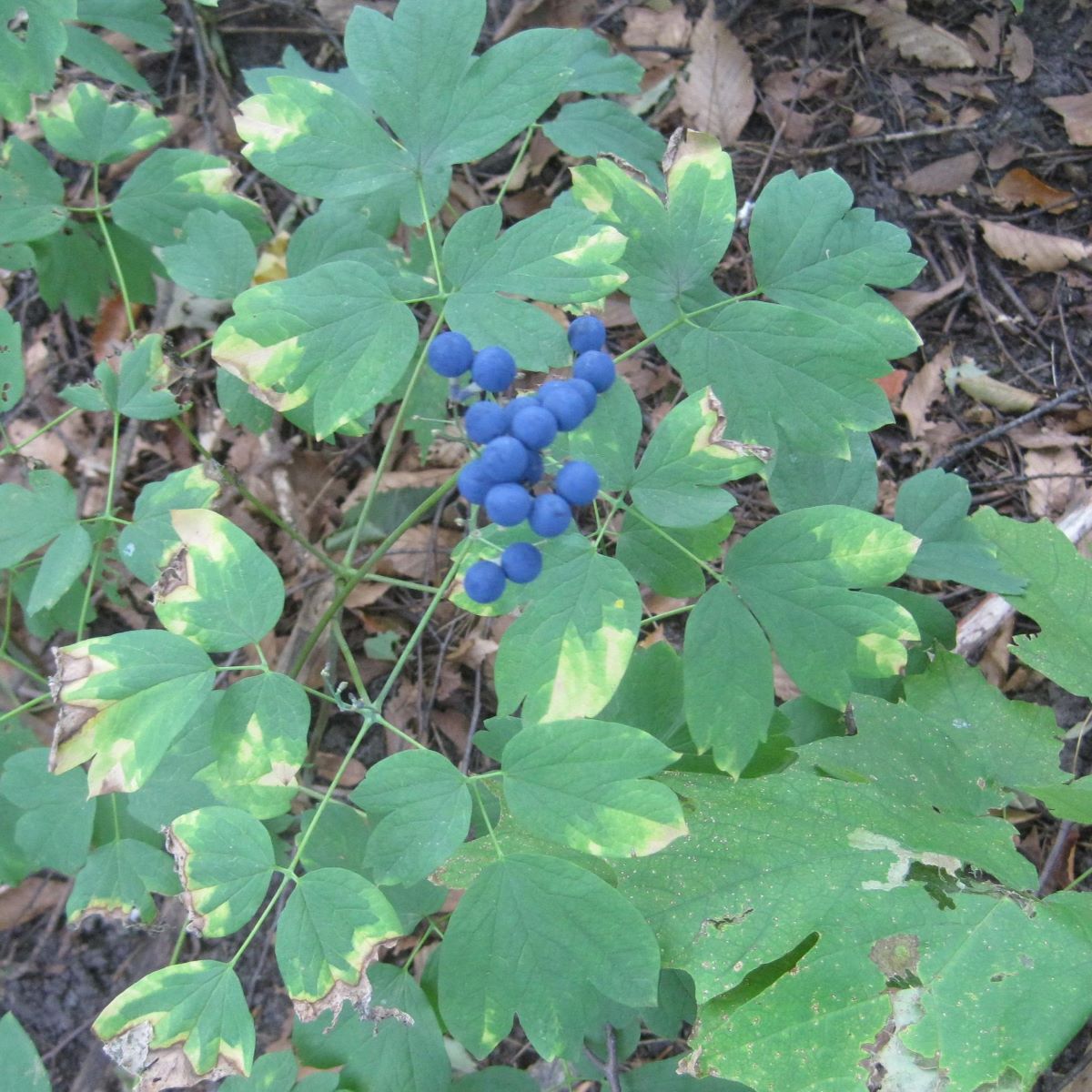
Not confident in your plant identification skills? Here are some resources:
- See our comprehensive tree identification learning page.
- Download the PictureThis plant identification app to identify plants in the field (but remember that app-based identifications are not always correct).
- Review the American ginseng profile on the Flora of Wisconsin website, which has great species profiles on all the indicator plants as well.
- If you are a Wisconsin woodland owner (with >10 acres of woods), invite your local DNR service forester out for a free property walk-through to help identify the plants on your land. You can find the service forester for your county on the DNR’s Forestry Assistance Locator.
Next steps
- Learn: Review the essentials by reading the American Ginseng Cultivation & Growing Guide and watching the Ginseng Cultivation video from the United Plant Savers. Go deeper with the Selecting a Site resource from Ohio State Extension.
- Observe: Take a walk in your woods. Assess your shade, topography (slope and aspect), security, and use the woodland site assessment checklist to identify potential ginseng growing sites on your land. What types of trees and understory plants are growing in your woods? Try to plan for multiple 10 ft. x 10 ft. plots.
- Identify: Look for wild ginseng populations in your woods. If you have wild ginseng populations on your land, we recommend stewarding your plot and not introducing non-local seeds to your woods. Learn the practical steps for preserving native ginseng seeds and strains.
Recording of the Zoom meeting (8/27)
September: Prepare your site and source your seeds
Now that you know how to assess your woods for the perfect location, it’s time to get your hands dirty! This month focuses on the practical steps needed to prepare your test plot and get organized before the autumn planting window closes.
Growing wild-simulated ginseng doesn’t require heavy machinery or a massive time commitment—the actual planting takes less than an afternoon. However, proper site prep and smart seed sourcing are the secrets to long-term success.
Learning objectives
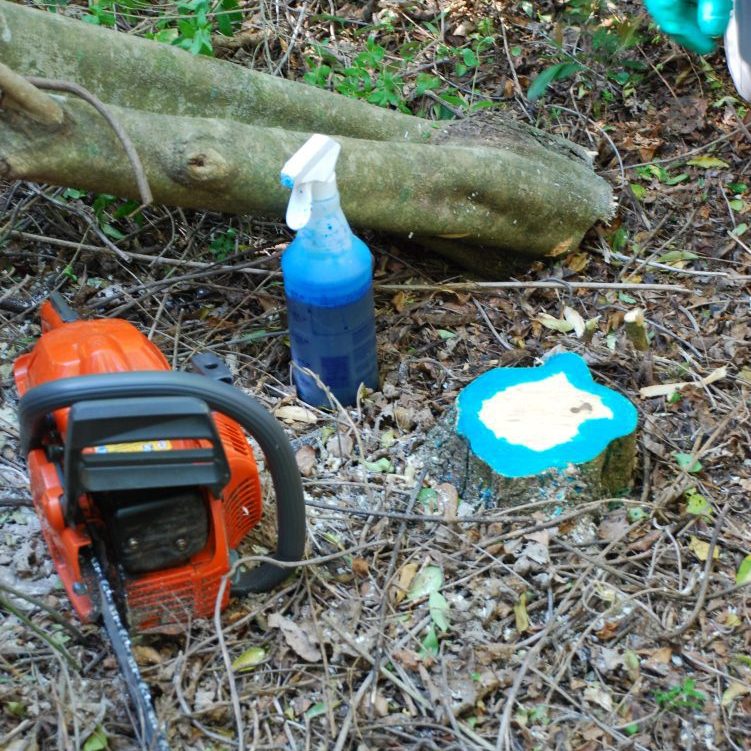
- Prepping the plot(s): Clear understory woody competition—including invasive plant species like honeysuckle, buckthorn, barberry, and multi-flora rose—to give your ginseng seedlings the best start. Keep non-competitive native herbaceous plants in place, because they can help your ginseng patch blend in (also, ginseng monocultures have disease issues). Using the prepare up to eight 10 ft. x 10 ft. test plots in your best ginseng habitat, using the woodland site assessment checklist, focusing on areas where you can clear unwanted plants and not disturb other natives species you want in your understory.
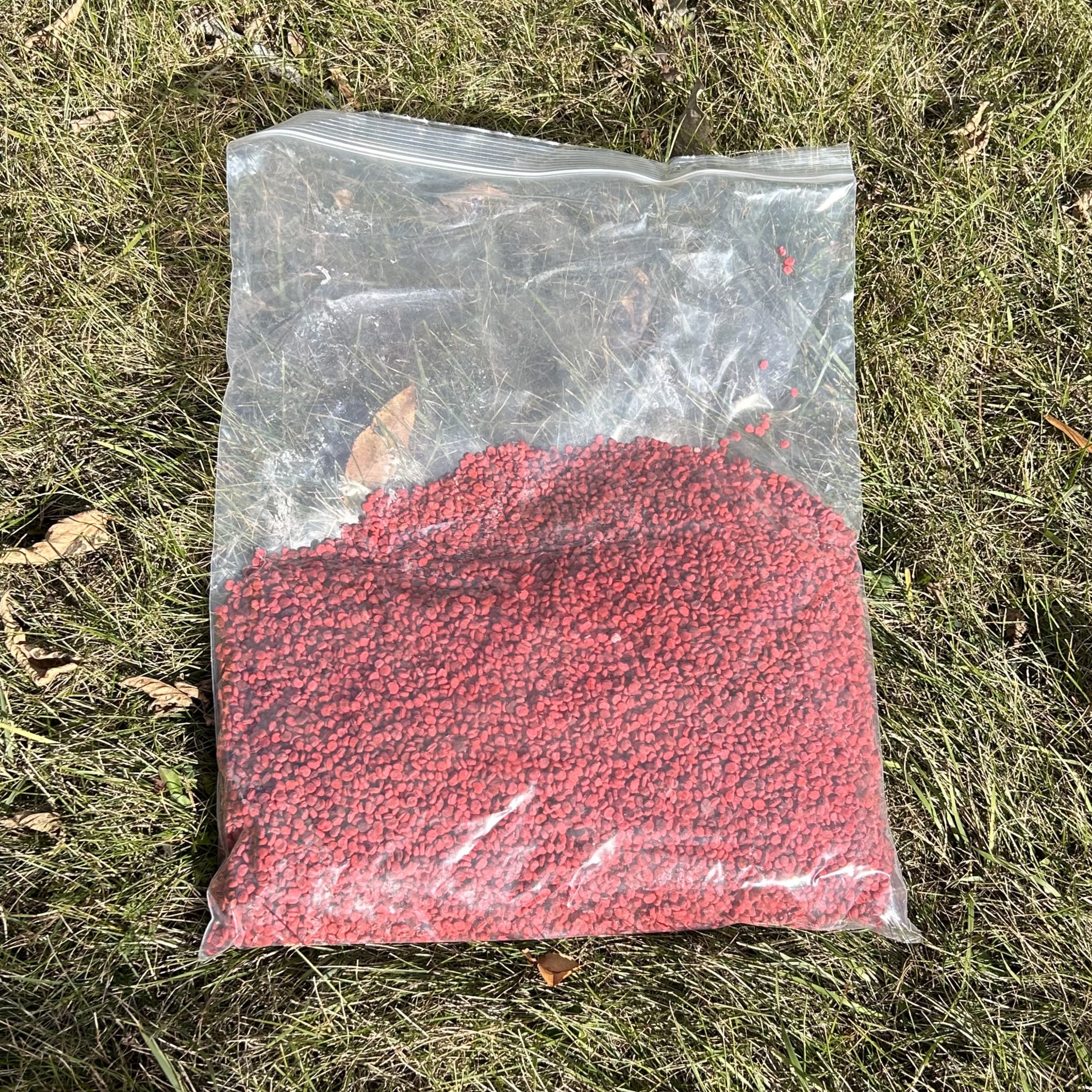
- Smart sourcing: Buying random seeds online is a gamble. It is critical to source high-quality seed that is pre-stratified and adapted to your local climate. Most commercially available American ginseng seed is a by-product of shade-grown ginseng farms, and Wisconsin is the leading U.S. ginseng producer. Talk to the farmer and know where your seed is coming from. We want our seed to be delivered when we are ready to plant, right before the first hard frost.
- The “stratified” truth: Stratified seed undergoes a seasonal chilling to mimic overwintering in the forest soil. Raw ginseng seeds from ripe berries normally take 18 months to germinate, and if you buy pre-stratified seed, your plot will likely sprout its first green leaves this coming spring.
We do not recommend planting non-local seed if you have wild American ginseng plants in your woods. Each native population is a unique genetic reservoir that should be preserved if possible. Learn the practical steps for preserving native ginseng seeds and strains.
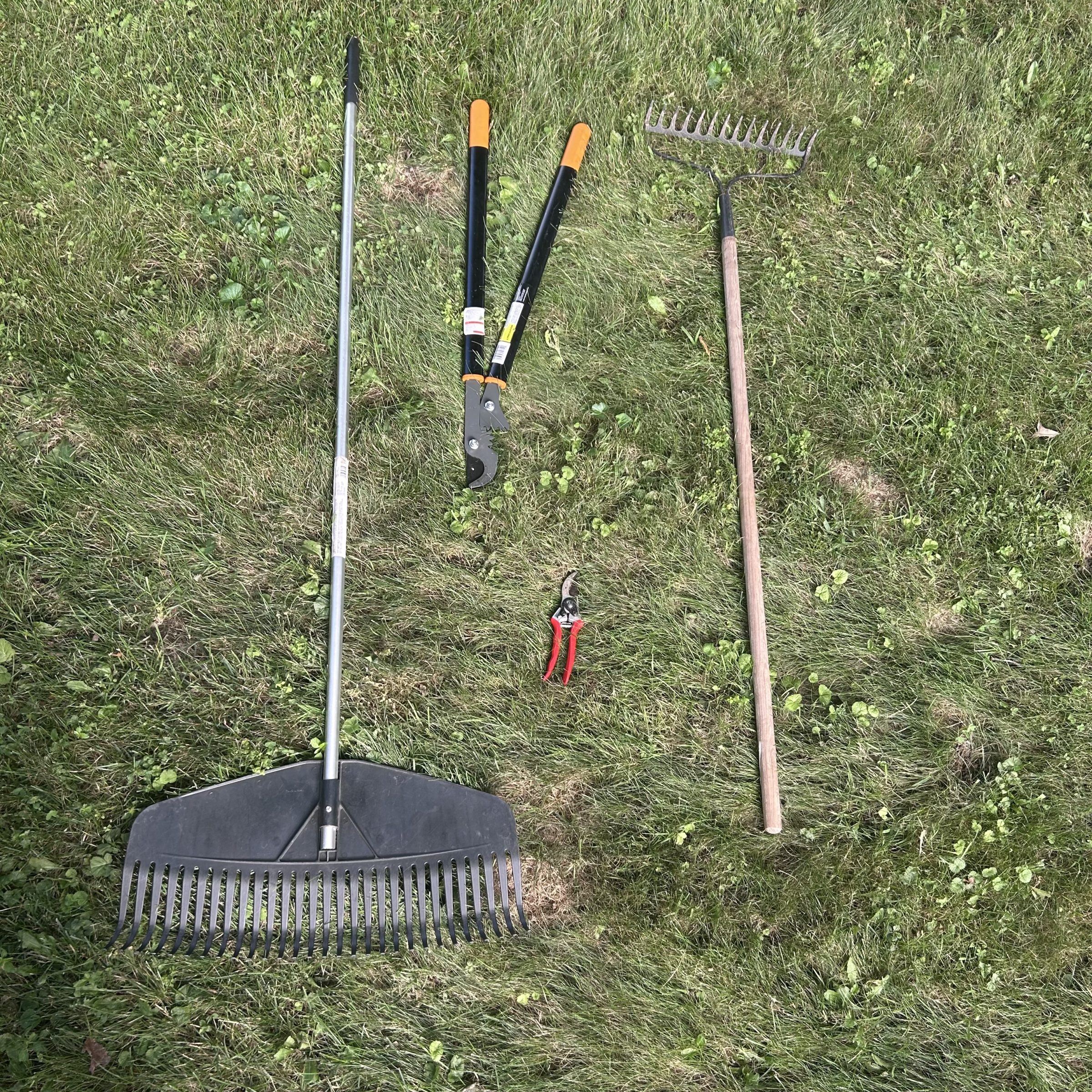
- Gathering tools: Planting ginseng only requires basic tools (hard-tined garden and leaf rake, pruners, loppers).
- Site security: Think about protecting your investment—consider patch visibility, and plan steps to deter poachers, like surveillance, discretion, and keeping the ginseng patch off the main path.
Next steps
- Learn: Watch (or rewatch) this short ginseng cultivation video and read the propagation from seed, wild-simulated planting preparation, and the planting seeds using the wild-simulated method sections from the United Plant Savers American Ginseng Cultivation & Growing Guide.
- Want to dig deeper? Check out the Site Preparation and Planting Using the Wild-Simulated Approach from Ohio State Extension, and Practical Guide to Growing Ginseng from Bob Beyfuss and Cornell University Extension.
- Prep: Visit your planting site and clear competing plants from the understory. Focus on woody invasive species first and remember that native companion plants can be good for your patch.
- Not sure what to clear and what to keep? Share pictures and questions with our ginseng grower email group, and be ready to discuss at the online meeting at the end of the month (9/29/2026).
- Source: Order high-quality, pre-stratified seed from a local ginseng farmer and get your rakes, pruners, and helpers ready. (We are planning a bulk seed purchase for program participants. More info coming soon!)
Live Zoom meeting 7-8 pm, Tuesday, September 29 (check your email for the access link)
During the call, we will discuss site preparation and seed sourcing. Check out the resources above and be ready to ask questions and share what you learned!
October: The main event—sow and protect your patch
The moment we’ve been preparing for has arrived! October brings the perfect planting window as autumn leaves begin to blanket the forest floor. This final month, we walk you through the exact steps to sow your stratified seeds and establish your own ginseng patch.
Whether you have your seeds ready to go or are finalizing your site prep, here is the practical blueprint to successfully tuck your seeds into the ground before winter sets in.
Session details
Learning objectives
- The main event: Understand the “rake, scuff, broadcast, and cover” method to properly plant 500 to 700 seeds per 100-square-foot ginseng plot.
- No machinery needed: Gather a rake, a pair of pruners, and your seed, and you’re good to go.
- Managing expectations: Remember the slow-growing lifecycle of this perennial, including what to look for when the tiny 3-leaflet seedlings sprout next spring, and the 7-to-10-year timeline to full maturity.
- Rules and regulations: Demystify Wisconsin DNR wild ginseng regulations, understanding your legal rights to harvest seeds to expand your patch versus the licenses required if you want to sell roots.
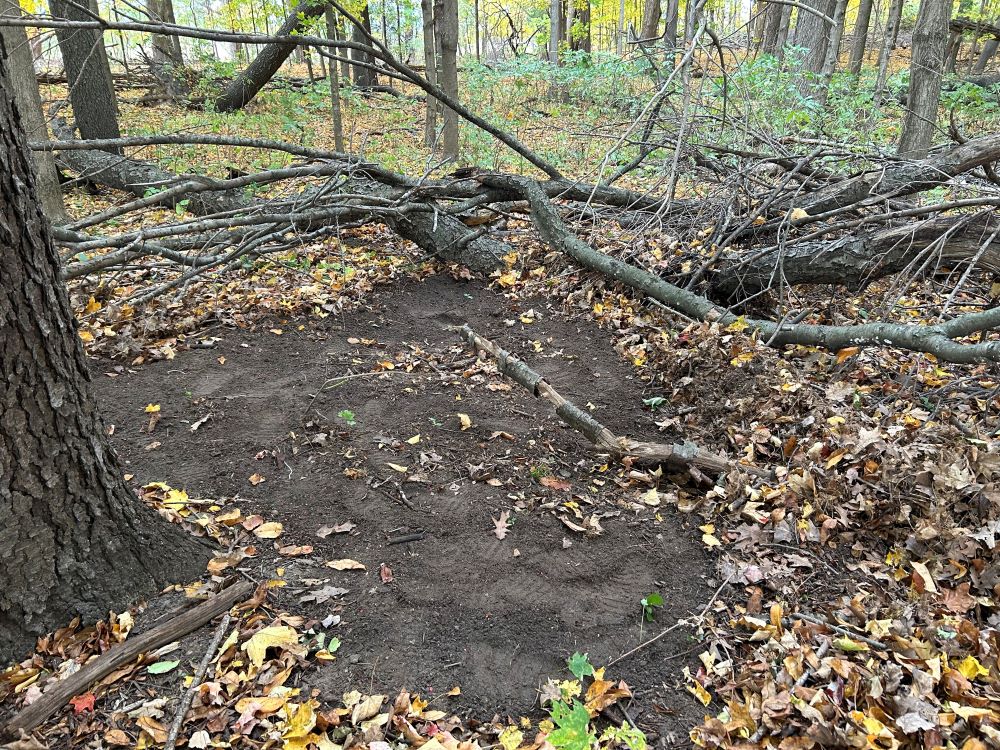
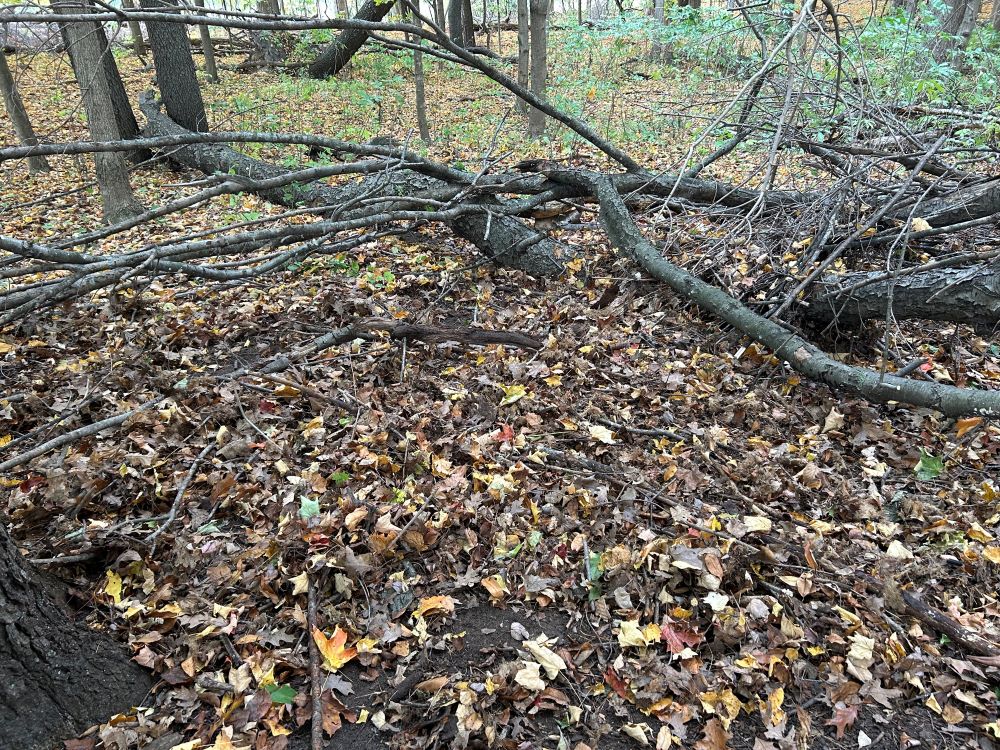
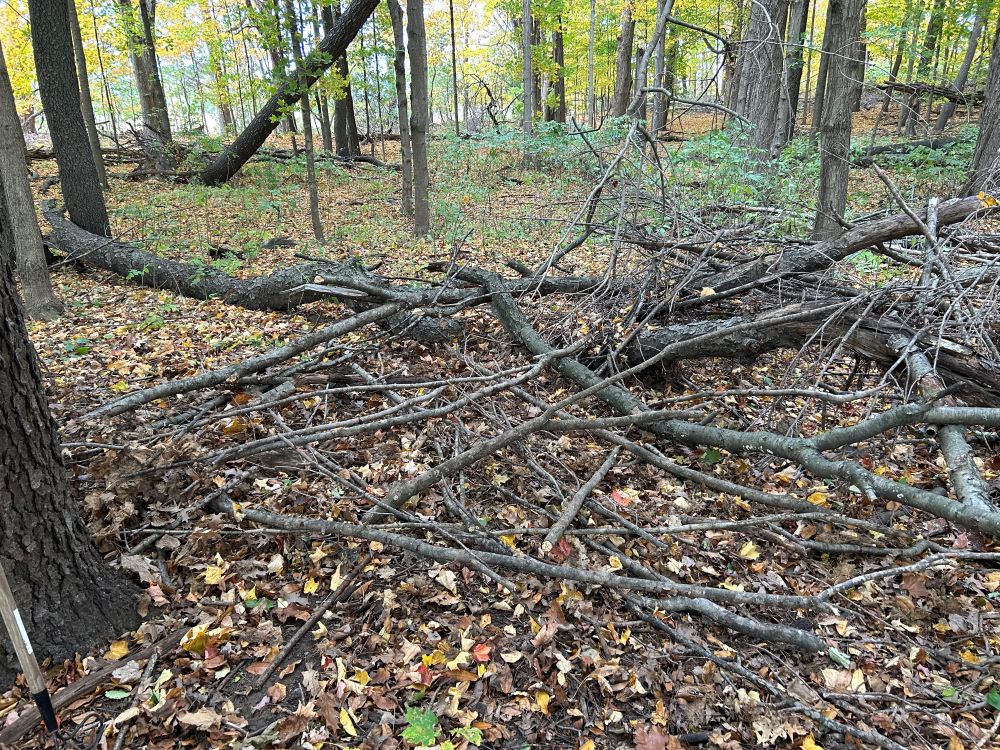
Snapshots of the process of covering recently planted ginseng seeds to begin a wild-simulated patch.
Hands-on takeaways
- Sow: Confidently plant your ginseng test plot(s) just as the leaves are dropping to give your seeds a natural winter blanket.
- Winterize: Implement simple strategies to protect your newly planted bed from heavy deer browse, invasive weeds, and winter elements.
- Monitor: Establish a low-maintenance, seasonal observation schedule to keep an eye on your plot with minimal weekly effort.
Live Zoom meeting 7-8 pm, Thursday, October 27 (check your email for the access link)
Ideally, you have selected your 10×10 plot and cleared away understory competition. Don’t worry if you don’t have your seeds in hand yet—we will cover the core planting techniques and protection checklists so you are prepared when the timing is perfect.
Next steps
Explore your next steps
Now that your seeds are safely in the ground and tucked under a natural blanket of autumn leaves, your role transitions from planter to steward. Because wild-simulated ginseng relies entirely on the existing forest ecosystem, caring for your patch requires very little weekly effort, but it does require a watchful eye and patience.
Your first priority is setting up basic protection measures. You’ll want to subtly mark the perimeter of your plot with small stakes or branches to ensure it doesn’t get stepped on or accidentally cleared. As spring arrives, your main task will be occasional monitoring—checking the patch in May and June for invasive weeds like garlic mustard, keeping an eye out for heavy deer browse, and watching for slugs, which are one of the biggest threats to emerging seedlings.
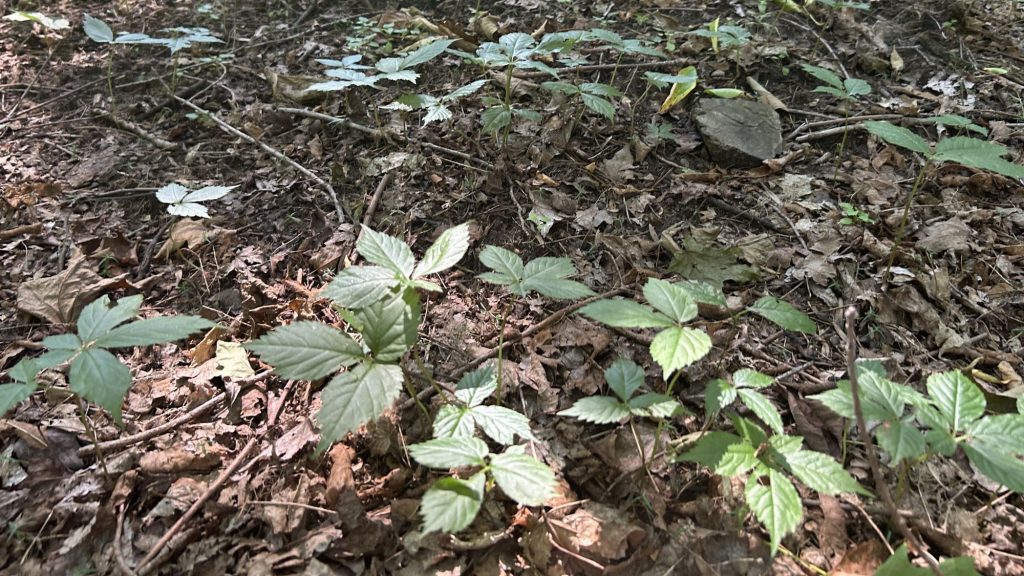
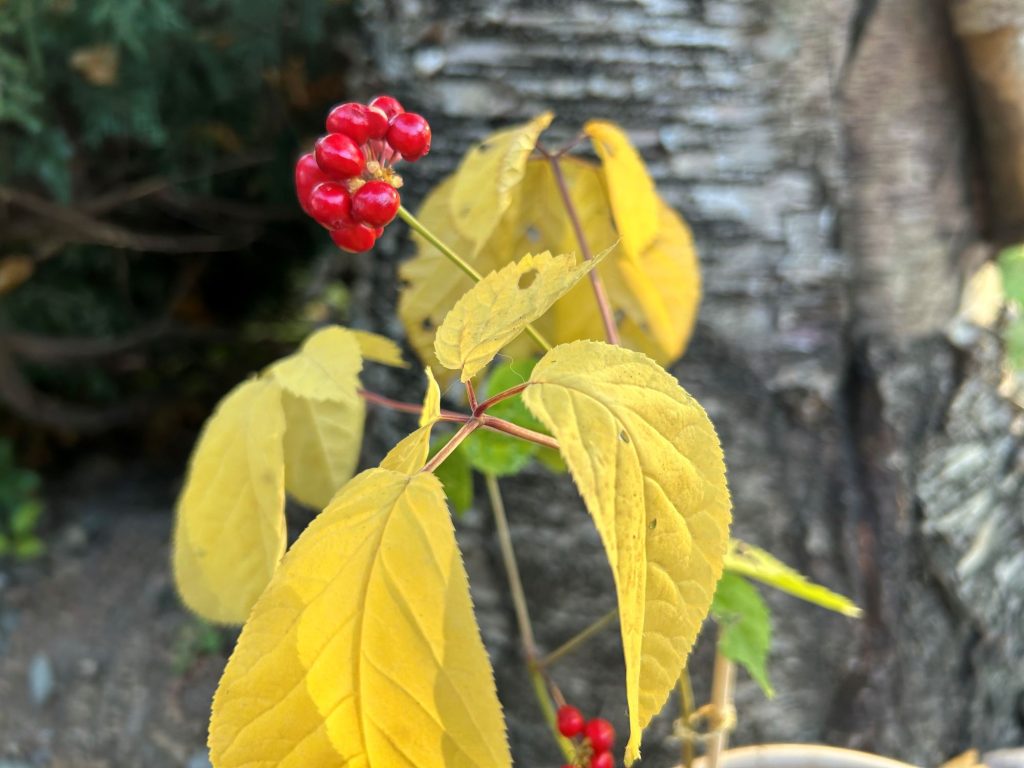
As the seasons change, tracking your plot becomes a multi-year journey of observation. In your first spring, you will be rewarded with the appearance of tiny, three-leaflet seedlings that look remarkably like wild strawberries. These small plants may stay small for a few years, slowly maturing into one-prong and two-prong plants. By year five or six, your ginseng will hopefully reach its reproductive stage, producing small greenish-white summer blooms that transform into vibrant red berries by September. Once these berries ripen, you can harvest them, crush the pulp, and plant the fresh seeds right next to your original plot, allowing your patch to expand naturally and sustainably for free.
Finally, it is important to stay mindful of Wisconsin’s legal landscape as your patch matures over the next 7 to 10 years. Because wild-simulated ginseng is grown under a natural canopy without artificial shade or heavy tillage, it is governed by the Wisconsin DNR’s wild ginseng regulations.
While you can legally grow the plants and harvest their seeds to expand your patch at any time on your own land, digging the roots requires strict compliance. If you eventually choose to harvest the roots for commercial sale, you must do so only during the state’s official harvest window (September 1 to November 1) and secure a Wild Ginseng Harvest License. Keeping a simple paper trail of your seed purchase receipts and cohort participation today is the perfect way to establish a clear legal record for your living forest legacy.
Frequently asked questions
How do I know if my woods are right for growing ginseng?
Look at your trees and your topography. Ginseng thrives on north, northeast, or east-facing hillsides under a mature forest canopy that provides 75% to 90% deep shade. If your woods are full of sugar maple, basswood, black walnut, and red oak, you likely have the perfect environment.
What are "indicator plants," and why do they matter?
Nature gives us clues! Certain native plants require the exact same rich, moist, calcium-dense soil conditions that ginseng needs to survive. During our first session, we will teach you how to look for “indicator companions” like maidenhair fern, rattlesnake fern, bloodroot, blue cohosh, and Jack-in-the-pulpit. If these are thriving on your forest floor, ginseng will likely love it there, too.
Can I grow ginseng in a pine forest or an open field?
Unfortunately, no. Pine, spruce, and other coniferous forests create soil that is too acidic, and open fields lack the critical canopy shade. Ginseng requires deciduous (hardwood) forests to grow using the sustainable, wild-simulated method.
Where do we get the seeds, and how much do they cost?
We strongly discourage buying random seeds online, as they are often unstratified or not adapted to our climate. In September, this program will discuss ways to buy high-quality, pre-stratified seed. For a 10×10 ft. plot (about 1 to 1.5 ounces of seed), the cost typically runs between $25 and $40.
What does "stratified" seed mean?
In the wild, a ginseng seed has an underdeveloped embryo and must sit in the cold ground for 18 months before it can sprout. “Stratified” seeds have already been carefully stored by a grower in moist sand for a year to break that dormancy. The seed we buy in autumn will be ready to wake up and sprout its very first tiny leaves the following spring!
How much time does this take?
Very little! Aside from a couple of hours spent selecting and prepping your plot in the summer, the actual planting takes less than an afternoon. It is designed to fit easily into a busy landowner’s schedule.
Is a 10×10 foot plot really big enough to matter?
Absolutely. A 10×10 foot plot (100 square feet) is the ideal “stewardship size.” Sowing at a wild-simulated rate of 5 to 7 seeds per square foot means you will be planting roughly 500 to 700 seeds. This is large enough to establish a true breeding colony that will eventually drop its own seeds and expand naturally into your woods, but small enough to manage, rake, and plant in a single afternoon.
How much daily or weekly maintenance does a wild-simulated plot take?
Very little! Because we are simulating nature rather than farming aggressively, you do not need to water, weed, or fertilize. Your primary job after planting is occasional monitoring: checking for invasive weeds, watching out for heavy deer browse or slug damage, and keeping an eye out for security/poaching.
How long does it take for the plants to mature?
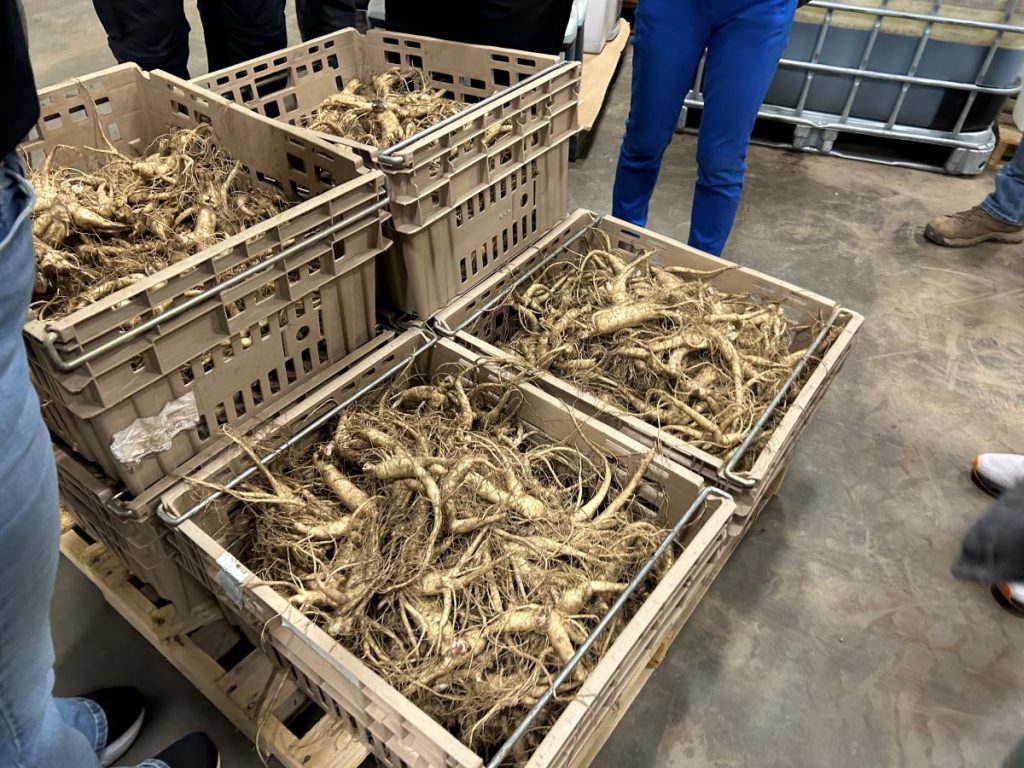
Ginseng is a lesson in patience. It is a slow-growing perennial. Your seeds will sprout as tiny, 3-leaflet seedlings the first spring. It generally takes 7 to 10 years for a wild-simulated root to reach full, harvestable maturity. This program focuses on conservation and creating a legacy patch rather than a quick cash crop.
Is it legal for me to grow and harvest ginseng on my own property in Wisconsin?
Yes, but it is strictly regulated to protect the species. In Wisconsin, wild-simulated ginseng grown on your own land is legally classified under the state’s wild ginseng regulations. You can legally harvest the seeds from your mature plants to expand your patch. If you eventually choose to dig and sell the roots to a licensed dealer, you must follow the state harvest season (September 1–November 1) and obtain a Wild Ginseng Harvest License from the Wisconsin DNR.
Additional resources
- American Ginseng Cultivation & Growing Guide (United Plant Savers, 2020) (primary resource for the Ginseng Patch Project)
- Wild Ginseng – An Opportunity For Your Wooded Acres? (podcast by Mid-West Farm Report, 2025)
- American Ginseng Cultivation Demonstration (video by United Plant Savers, 2023)
- The Practical Guide to Growing Ginseng (guidebook by Cornell Extension, 2017)
- WildAmericanGinseng.org (background on history and biology)
- Saving Ginseng Seeds: A practical guide to preserving American ginseng seeds and strains (Bat Cave Botanicals and Pennsylvania State University, 2025)
- Wisconsin Wild Ginseng Program: Regulations and Licensing (Wisconsin DNR)
Explore all learning hub webpages
Woodland stewardship topics
Use a chainsaw safely & effectively
> Protective gear for safe chainsaw use
> Grow mushrooms using sawdust spawn
> Grow mushrooms using plug spawn
People and programs who provide assistance
If you have feedback on this webpage, fill out this form. If you have questions about growing ginseng in your woods, contact:

Tony Johnson
Forestry Educator
anthony.johnson@wisc.edu
608-386-8900
Page written by Tony Johnson (UW–Madison Extension). Last updated August 2026.
Additional photo credits:
- Sugar maple: Sky Hershberger, CC BY-NC 4.0
- American basswood: Iowa State Extension
- Butternut: Iowa State Extension
- Northern red oak: Wisconsin DNR
- Maidenhair fern: Charles T. Bryson, USDA Agricultural Research Service, Bugwood.org
- Bloodroot: Sky Hershberger, CC BY-NC 4.0
- Blue cohosh: Rob Routledge, Sault College, Bugwood.org
- Jack-in-the-pulpit: Sky Hershberger, CC BY-NC 4.0