

Event Information
Date
August 27th, 2026
Time
6:00pm - 8:00pm
Contact
Tony Johnson
Phone
608-386-8900
This program includes a Ginseng learning page, cohort email group, and live zoom sessions August 27, September 29, and October 27 from 7:00pm–8:00pm.
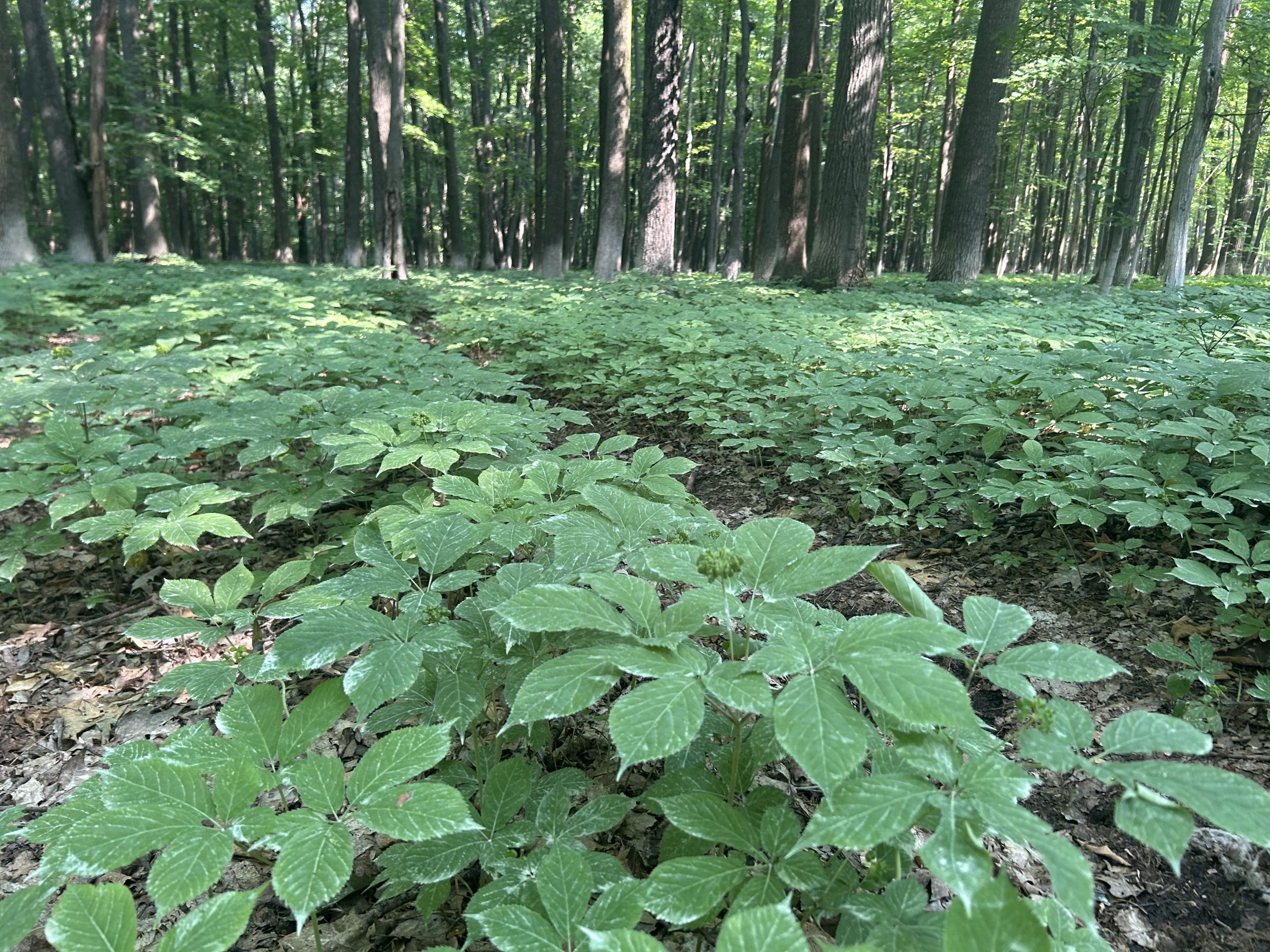
Conservation under your canopy
As Wisconsin woodland owners, we are caretakers for some of the richest forests in the Midwest. For generations, our native maple, basswood, and oak forests provided the perfect sanctuary for American ginseng (Panax quinquefolius). Today, however, due to habitat loss, intense deer browsing, and unsustainable over-harvesting, wild ginseng has been pushed to a threatened status across much of its native range.
But here is the exciting part: you have the power to make an impact on your own property.
Guided by The Forest Farmers Handbook: A Beginners Guide to Growing and Marketing At-Risk Forest Herbs by Rural Action, United Plant Savers, and Appalachian Sustainable Development, this free Extension program is designed to help take the guesswork out of planting your first (or next) ginseng patch. We will learn about the biology of American ginseng and decide if it is right for you and your land. Then we will walk through the process of selecting and preparing the planting site, sourcing seed, planting the seed, and protecting your very own ginseng patch.
The 2026 cohort registration is closed!
Program overview: what you get
Grow American Ginseng in Your Woods webpage
This webpage will provide online access to step-by-step practical resources for planting your ginseng plot. The page will be updated monthly to help you learn how to read your forest, find indicator plants, select and prepare a planting site, source high-quality stratified seed, and successfully plant American ginseng seeds.
Email group and e-newsletter action alerts
No guesswork required. You will receive a monthly email newsletter packed with information and resources about growing ginseng in woodlands. You will also be able to ask your questions and share your successes with a cohort of fellow ginseng growers through a dedicated email group.
Monthly interactive Zoom sessions
Meet online once a month in August, September and October. Network with other ginseng growers, get real-time advice from ginseng experts, share photos of your plot, and get your specific questions answered.
Location
Online (Zoom)
Session details
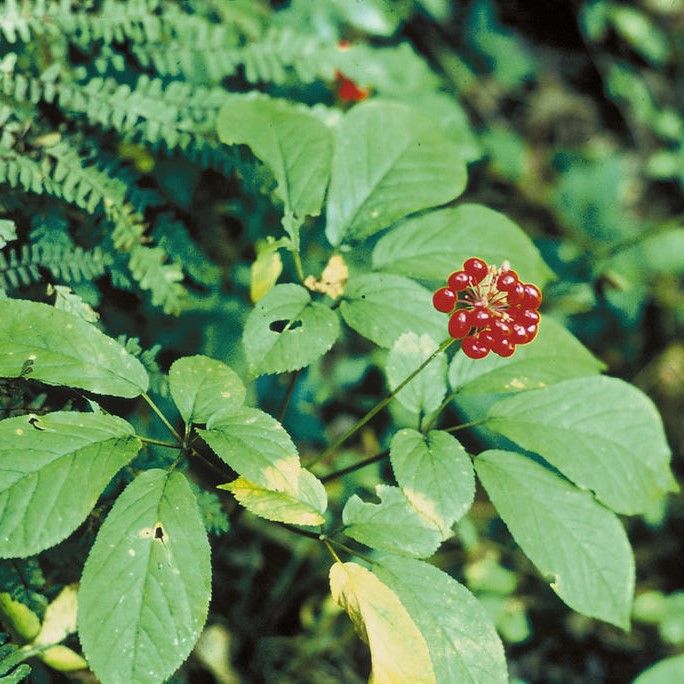
August: Learn About Ginseng’s Lifecycle and Assess Your Woods
Thursday, August 27, 2026 7-8PM
Are you curious if your woodlot has what it takes to grow wild-simulated American ginseng? This introductory session dives into the history, biology, and slow-growing lifecycle of this iconic plant, teaching you exactly how to evaluate your forest floor. You will learn to assess your property’s topography, identify ideal hardwood canopy shade (75% to 90%), and read critical “indicator plants”—like maidenhair fern, bloodroot, and Jack-in-the-pulpit—that prove your soil is rich and calcium-dense enough for ginseng to thrive. By the end of the the first month, you will be fully equipped with a site assessment checklist to head out into your own woods and decide if planting a ginseng patch is right for you.
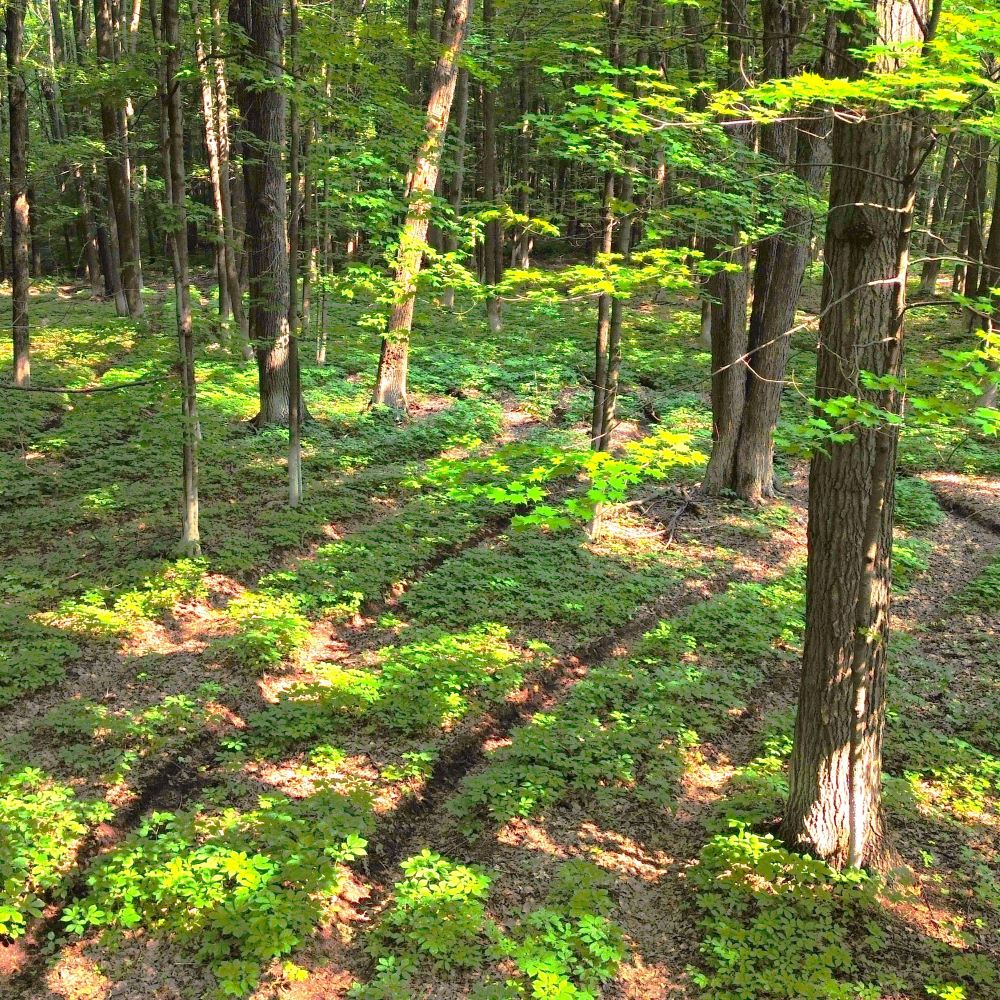
September: Prepare Your Site and Source Your Seeds
Tuesday, September 29, 2026 7-8PM
Now that you know how to choose the perfect location, it’s time to get your hands dirty and prepare your plot for the autumn planting window. This session focuses on the simple, low-impact steps needed to clear forest debris, manage competing understory vegetation, and control invasive species without heavy machinery. We will look at ways to source high-quality, pre-stratified regional seed. Finally, we will cover basic tools to gather and essential patch security measures to protect your long-term conservation investment.
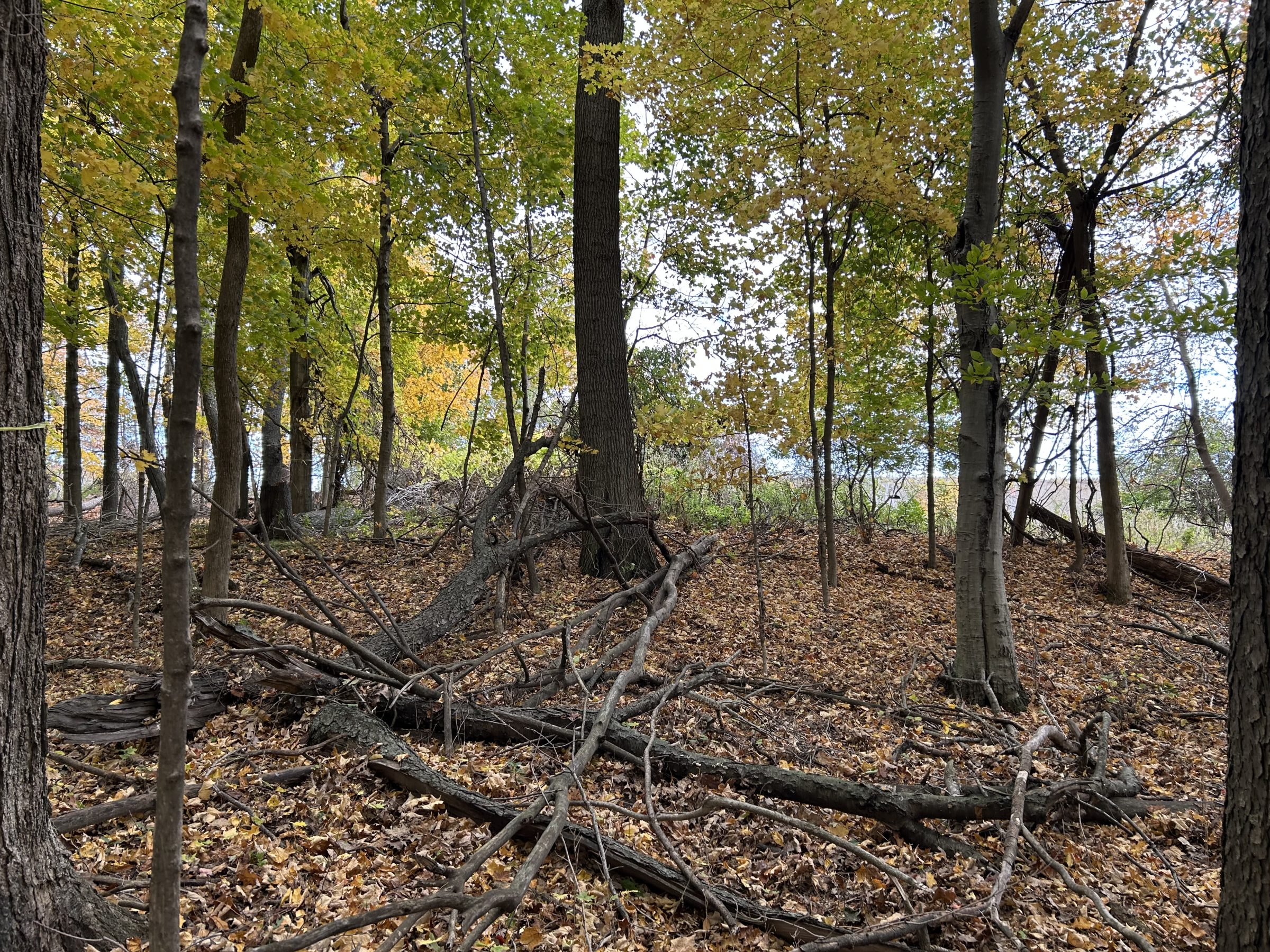
October: The Main Event—Sowing and Protecting Your Patch
Thursday, October 29, 2026 7-8PM
The moment we’ve been preparing for has arrived! October brings the perfect planting window as falling autumn leaves provide a natural winter blanket for your seeds. In this final session, you will get a step-by-step blueprint for the “rake, scuff, broadcast, and cover” method to successfully plant ginseng seeds in your wild-simulated patch using nothing more than a rake, pruners, and your own hands. We will also look ahead to manage expectations for this slow-growing perennial, mapping out its 7-to-10-year maturity timeline, establishing a low-maintenance seasonal monitoring schedule, and demystifying Wisconsin DNR regulations regarding your legal rights to harvest seeds versus the licenses required to eventually sell roots.
Frequently asked questions
How do I know if my woods are right for growing ginseng?
Look at your trees and your topography. Ginseng thrives on north, northeast, or east-facing hillsides under a mature forest canopy that provides 75% to 90% deep shade. If your woods are full of sugar maple, basswood, black walnut, and red oak, you likely have the perfect environment.
What are "indicator plants," and why do they matter?
Nature gives us clues! Certain native plants require the exact same rich, moist, calcium-dense soil conditions that ginseng needs to survive. During our first session, we will teach you how to look for “indicator companions” like maidenhair fern, rattlesnake fern, bloodroot, blue cohosh, and Jack-in-the-pulpit. If these are thriving on your forest floor, ginseng will likely love it there, too.
Can I grow ginseng in a pine forest or an open field?
Unfortunately, no. Pine, spruce, and other coniferous forests create soil that is too acidic, and open fields lack the critical canopy shade. Ginseng requires deciduous (hardwood) forests to grow using the sustainable, wild-simulated method.
Where do we get the seeds, and how much do they cost?
We strongly discourage buying random seeds online, as they are often unstratified or not adapted to our climate. In September, this program will discuss ways to buy high-quality, pre-stratified seed. For a 10×10 plot (about 1 to 1.5 ounces of seed), the cost typically runs between $25 and $40.
What does "stratified" seed mean?
In the wild, a ginseng seed has an underdeveloped embryo and must sit in the cold ground for 18 months before it can sprout. “Stratified” seeds have already been carefully stored by a grower in moist sand for a year to break that dormancy. The seed we buy in autumn will be ready to wake up and sprout its very first tiny leaves the following spring!
How much time does this take?
Very little! Aside from a couple of hours spent selecting and prepping your plot in the summer, the actual planting takes less than an afternoon. It is designed to fit easily into a busy landowner’s schedule.
Is a 10×10 foot plot really big enough to matter?
Absolutely. A 10×10 foot plot (100 square feet) is the ideal “stewardship size.” Sowing at a wild-simulated rate of 5 to 7 seeds per square foot means you will be planting roughly 500 to 700 seeds. This is large enough to establish a true breeding colony that will eventually drop its own seeds and expand naturally into your woods, but small enough to manage, rake, and plant in a single afternoon.
How much daily or weekly maintenance does a wild-simulated plot take?
Very little! Because we are simulating nature rather than farming aggressively, you do not need to water, weed, or fertilize. Your primary job after planting is occasional monitoring: checking for invasive weeds, watching out for heavy deer browse or slug damage, and keeping an eye out for security/poaching.
How long does it take for the plants to mature?
Ginseng is a lesson in patience. It is a slow-growing perennial. Your seeds will sprout as tiny, 3-leaflet seedlings the first spring. It generally takes 7 to 10 years for a wild-simulated root to reach full, harvestable maturity. This program focuses on conservation and creating a legacy patch rather than a quick cash crop.
Is it legal for me to grow and harvest ginseng on my own property in Wisconsin?
Yes, but it is strictly regulated to protect the species. In Wisconsin, wild-simulated ginseng grown on your own land is legally classified under the state’s wild ginseng regulations. You can legally harvest the seeds from your mature plants to expand your patch. If you eventually choose to dig and sell the roots to a licensed dealer, you must follow the state harvest season (September 1–November 1) and obtain a Wild Ginseng Harvest License from the Wisconsin DNR.
Ready to step under the canopy? Join a community of Wisconsin landowners getting to know American ginseng, one patch at a time.
You may request an interpreter, materials in an alternative language and/or format, accommodations for hearing or visual impairment, accommodations for physical mobility considerations, and/or other services to make this event more accessible. Contact information is listed at the top of this webpage. Please make requests as early as possible prior to the program so that proper arrangements can be made. There is no added cost to you for these services.
Additional photo credits:
- American ginseng with ripe berries: US Fish and Wildlife Service