

Home » Learn about Woodland Stewardship » The Changing Climate and Wisconsin’s Forests
The Changing Climate and Wisconsin’s Forests
The Changing Climate and Wisconsin’s Forests
Explore the connections between climate and…
Whether your goals for your land include wildlife habitat, sustainable timber harvesting, managing invasive species, or general forest health, climate change is causing ripple effects in your woods that are important for you to address.
The burning of fossil fuels and changes in land use are cranking up the global thermostat by releasing carbon dioxide and other greenhouse gases. As average temperatures rise, we’re seeing changes in weather patterns that are harming our ecosystems, our forest products industry, and our cultural traditions. But it’s not all bad news.
By better understanding the effects of climate change on Wisconsin forests, we can help our woodlands be resilient in the future—and we can help solve the underlying problem by managing forests to remove excess carbon from the atmosphere.
Climate trends in Wisconsin
We have systematic records of climate trends in Wisconsin dating back to the late 1800s. From these observations, we know that our climate is already changing in many ways. Climate scientists can also project possible futures using sophisticated computer simulations based on our understanding of physics, chemistry, biology, and earth science.
Combining past observations with models of future changes, here are some important climate trends in Wisconsin.
Average annual temperatures are now 3 degrees F warmer than in 1950. Winters are warming twice as fast as other seasons. In fact, 2023-2024 was the warmest Wisconsin winter on record. By 2060, average annual temperatures will likely rise 4 to 6 degrees Fahrenheit beyond the 1981–2010 average.

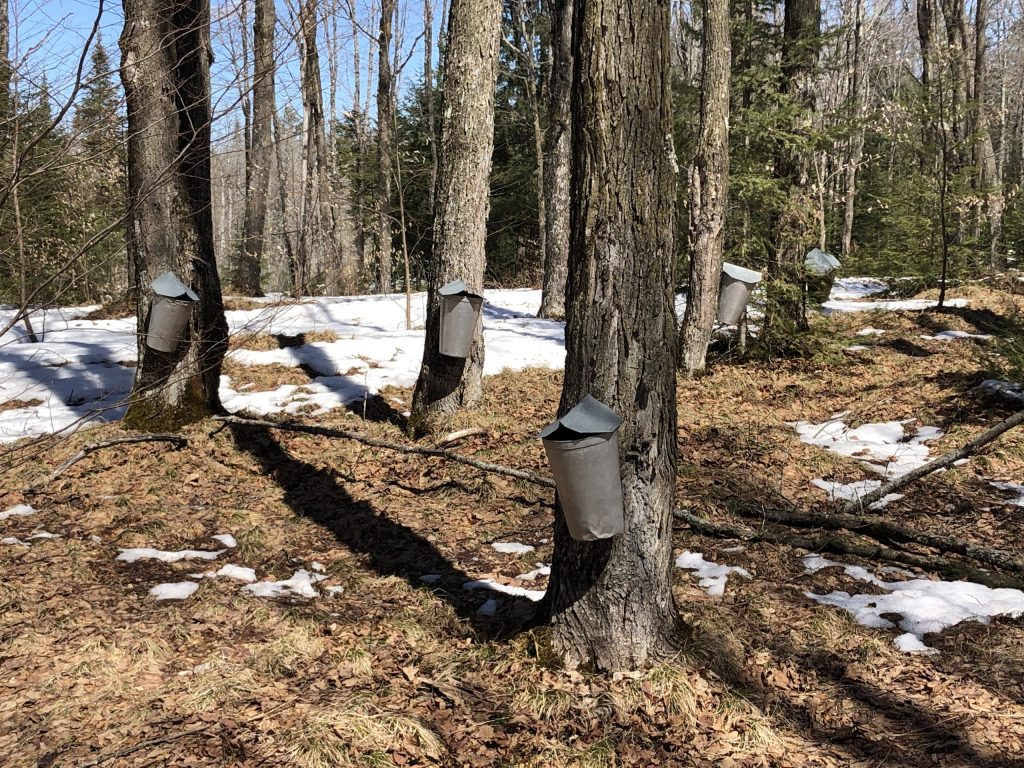
With warmer winters come shallower snowpack and often (but not always) fewer days with frozen ground. Frozen soil conditions now last an average of 2-3 weeks less than they did in 1948. By 2050, Wisconsin winters are expected to receive 7-35% less snowfall than they do now. More winter precipitation will come instead as rain.
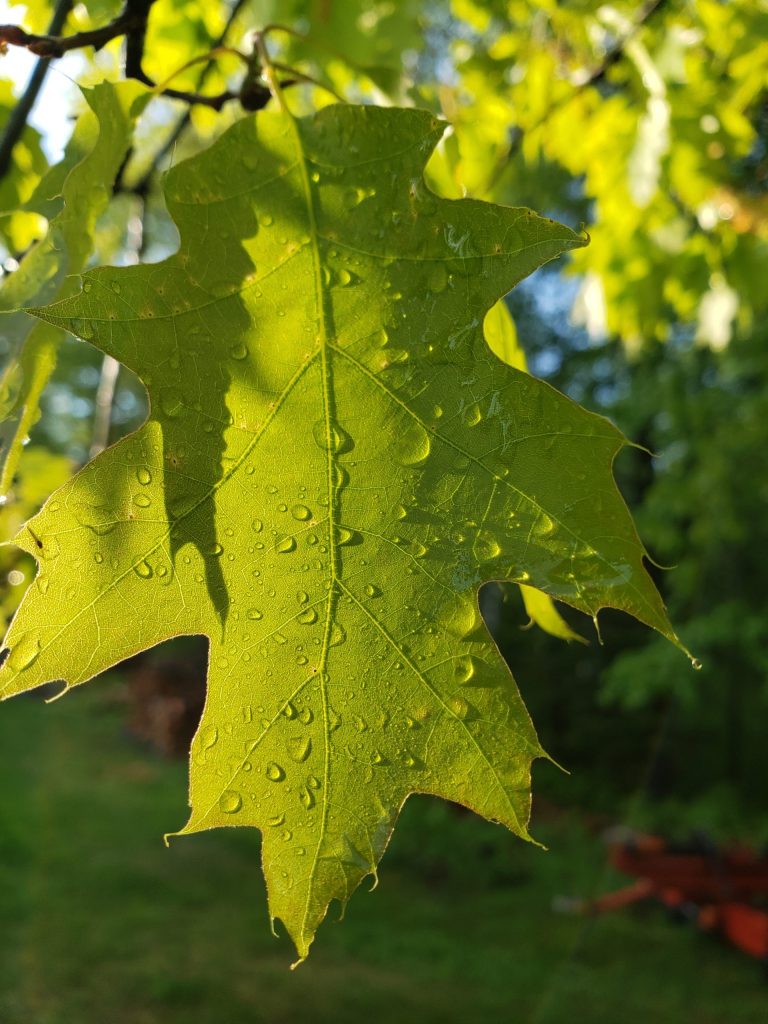
Average annual precipitation has risen by 17% (about 5 inches) since 1950, with the southern third of the state experiencing the largest increase. But the extra rain isn’t spread evenly throughout the year—much of it is coming in large storms, followed by long periods of little precipitation. Average summer rainfall has actually decreased in northern Wisconsin in recent decades.
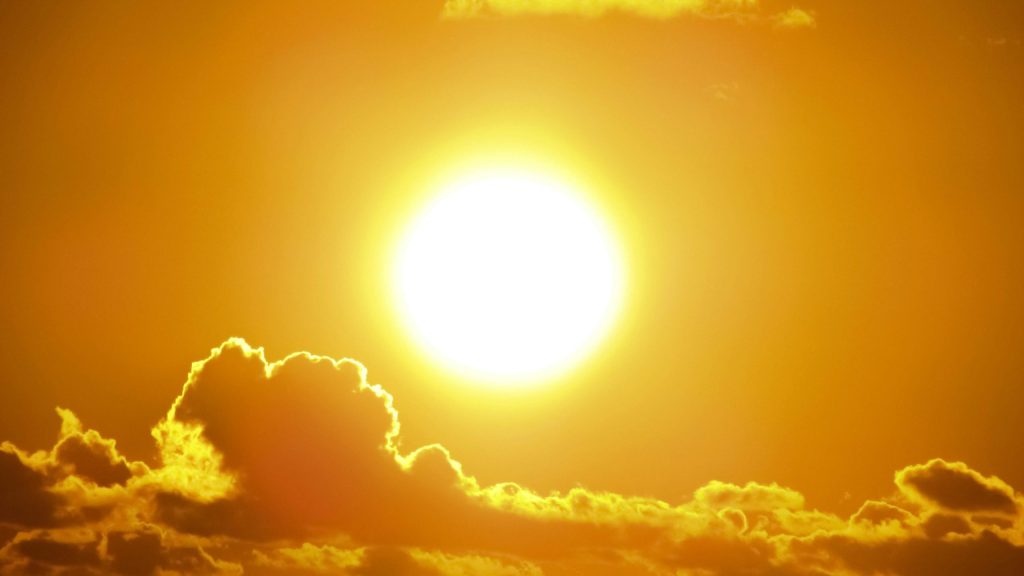
By 2050, extremely hot days (90 degrees F or higher) will happen three times as often as they did in 1981–2010.
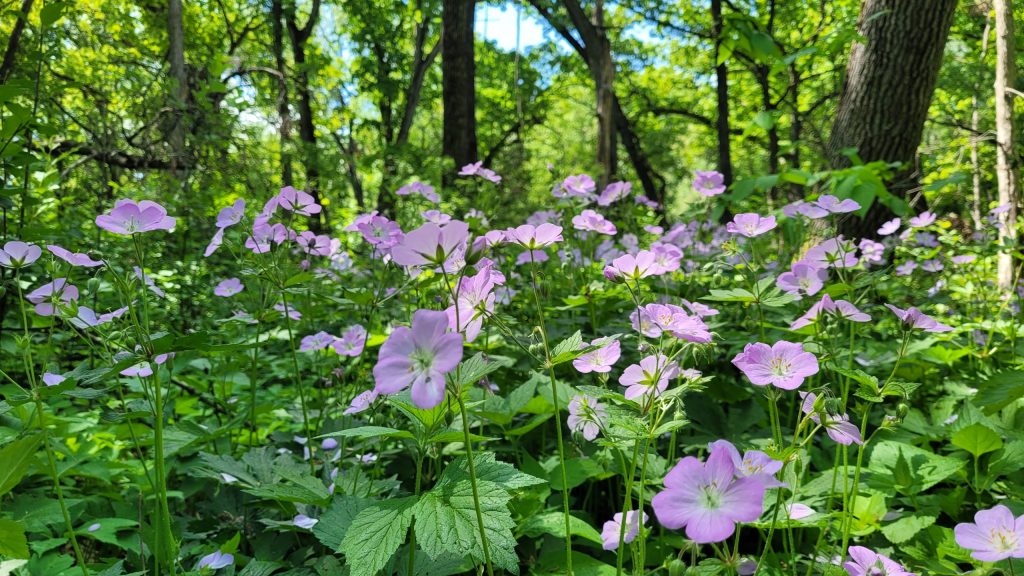
Since 1895, Wisconsin growing seasons have already lengthened by an average of 16 days. We are seeing earlier spring thaws, earlier tree bud breaks, and later first fall frosts. Birds are migrating north earlier and returning south later.
Visit the Wisconsin Initiative on Climate Change Impacts website for more trends, projections, and maps. Visit the Wisconsin State Climatology Office for specific information on how the climate in your county has changed in recent decades.
Effects on Wisconsin forests
Forest ecosystems react to stresses, such as droughts or storms, in complex ways. While it’s impossible to exactly predict the future, our climate models, past observations, and current understanding of forest ecology help us to predict the most likely outcomes for Wisconsin forests.
Drought stress
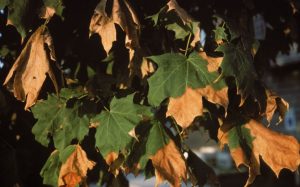
Even if annual precipitation continues to increase, our forests will likely face drier conditions overall for several reasons. Heavy rainfall tends to run off rather than being absorbed by the soil. With less snowpack and faster snowmelt, the soil won’t get as much moisture to start the spring.
Also, longer and warmer growing seasons cause plants to lose more moisture through their leaves. For example, a plant will lose more water on a day of 50% relative humidity at 90 degrees F than it will on a day of 50% relative humidity at 85 degrees F. This is because warmer air can hold more moisture than cooler air can.
Long droughts can kill trees. But even a mild prolonged drought stresses many trees, which makes them more vulnerable to other stressors, like forest pests.
More invasive species, forest pests, and diseases
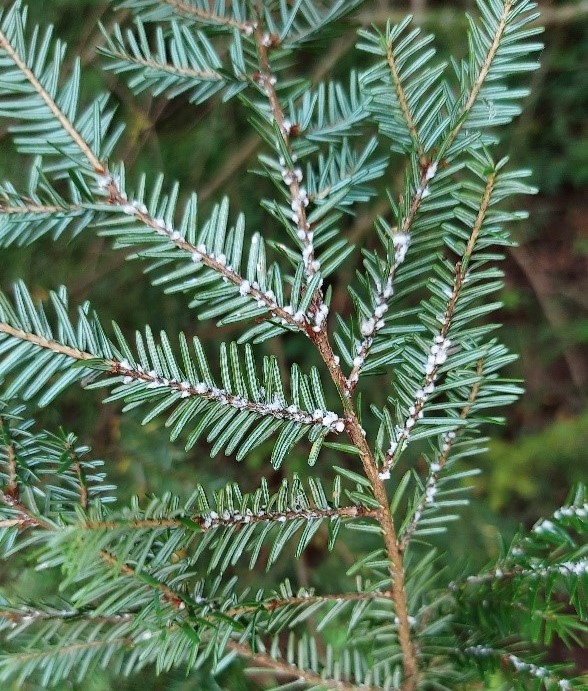
Although many invasive species would still spread even without climate change, they can take advantage of warmer temperatures to spread more quickly. Invasive plants like European buckthorn and garlic mustard benefit from a longer growing season. Invasive insects like emerald ash borer (already here) and hemlock woolly adelgid (not here yet) will more easily survive the winter.
Native forest pests and diseases such as forest tent caterpillars and Armillaria could become more damaging in the coming decades, too, especially in forests that are already stressed by other changes (such as drought).
Since we don’t yet know the details of how climate conditions affect most invasive species, native pests, and diseases, we can’t predict the specific timing and scope of these impacts. But the bottom line is that the changing climate is expected to benefit many plants and pests that can harm the health of our forests, including species that aren’t yet on our radar as a potential problem.
Declines in culturally important beings
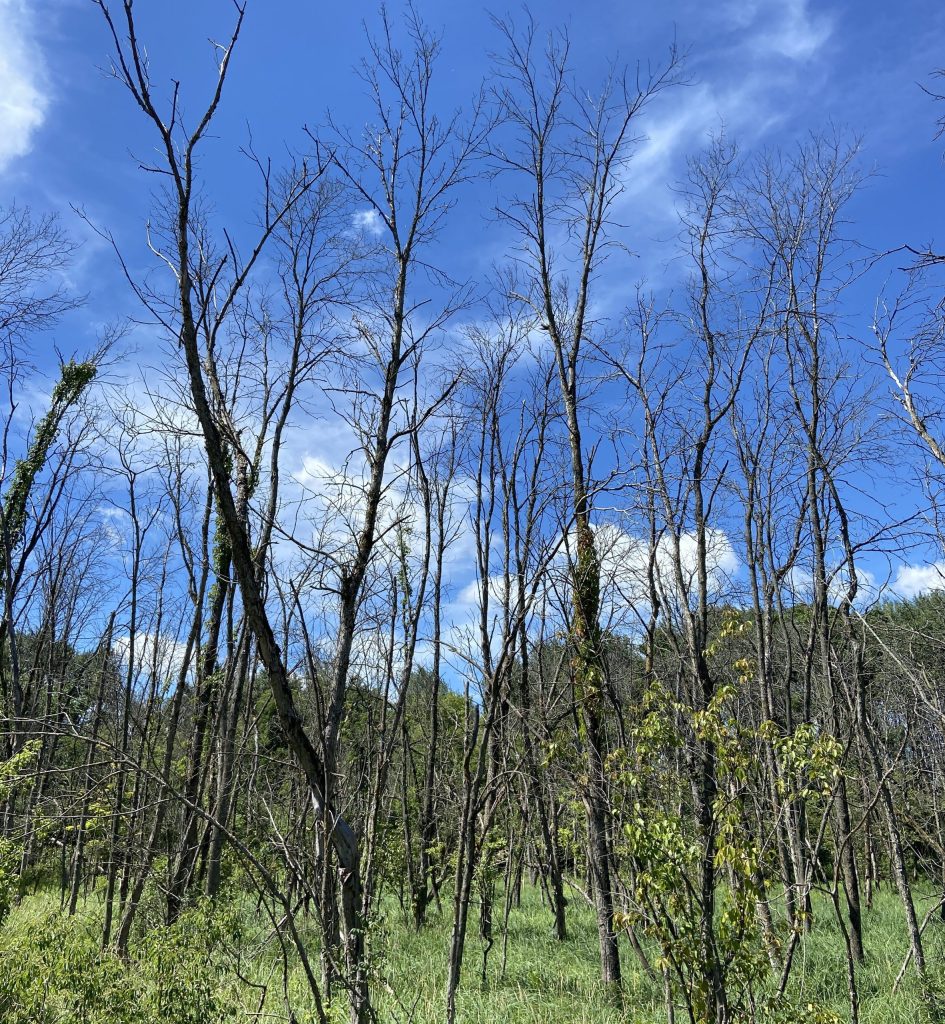
Climate change is expected to result in declines in the populations of many beings who are culturally important for Indigenous communities in the Upper Midwest. Some of the most vulnerable trees are tamarack (mashkiigwaatig in the Ojibwe language), northern white cedar (giizhikaatig), balsam fir (ininaandag), paper birch (wiigwaasaatig), and black ash (baapaagimaak). The most vulnerable mammals include snowshoe hare (waabooz), moose (mooz), and American marten (waabizheshi), all of whom are important members of forest communities.
These declines in population, coupled with northward shifts in habitat, will also interfere with Tribal members’ treaty rights to hunt, fish, and gather off-reservation. Both Scientific Ecological Knowledge and Traditional Ecological Knowledge contribute to our understanding of which culturally important species are at risk and how to best respond to ongoing changes.
More deer browsing
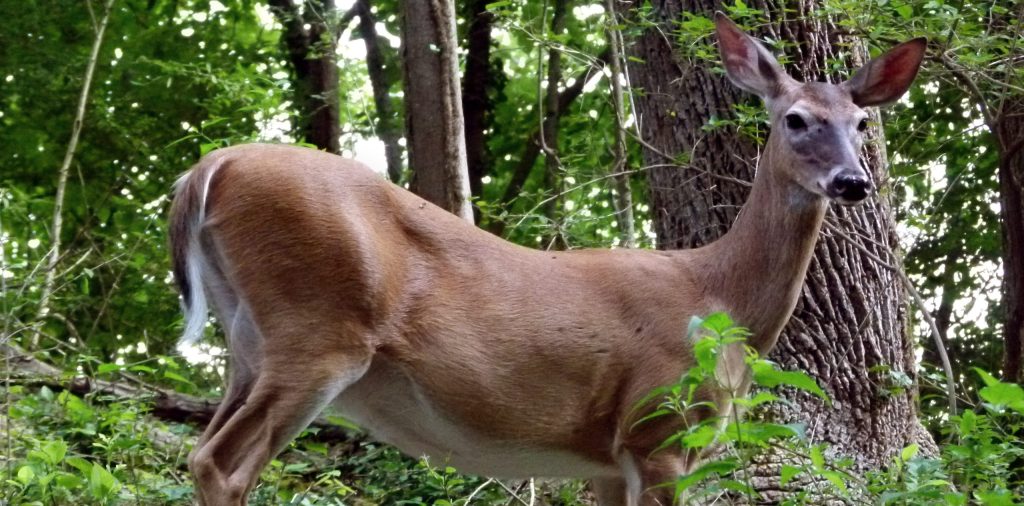
White-tailed deer will likely benefit from milder winters. Browsing deer already make it hard for seedlings and saplings of some species to thrive. Growing deer populations will increase the pressure on palatable plants like oak, pine, birch, red maple, and sugar maple in the coming decades. As a result, deer browsing could contribute to long-term changes in which tree and shrub species are most common in Wisconsin forests.
Changes in fire patterns
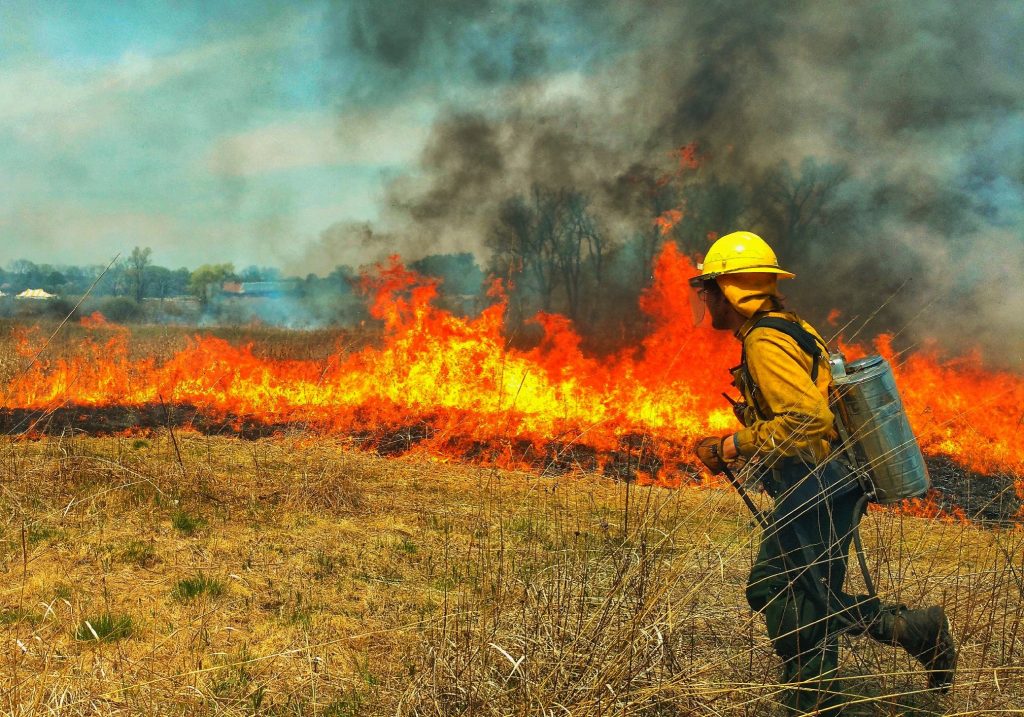
In boreal forests and temperate conifer forests such as those found in northern Wisconsin, wildfires will likely become more frequent and larger due to longer, drier, and warmer growing seasons. Fire-dependent forest types like jack pine and fire-adapted forest types like oak-hickory could benefit from more fire, while other forest types like northern hardwood-hemlock might not recover as well from more fire.
Prescribed fires have been an important forest management tool for millennia, especially in the southern portion of the state. Many factors influence when it is safe to conduct prescribed burns, so the changing climate may make prescribed burns easier in some areas but more difficult in others. Across the state, our land use choices, fire suppression practices, and use of prescribed burns will have a major influence on future changes to fire patterns.
Challenges to the forest products industry
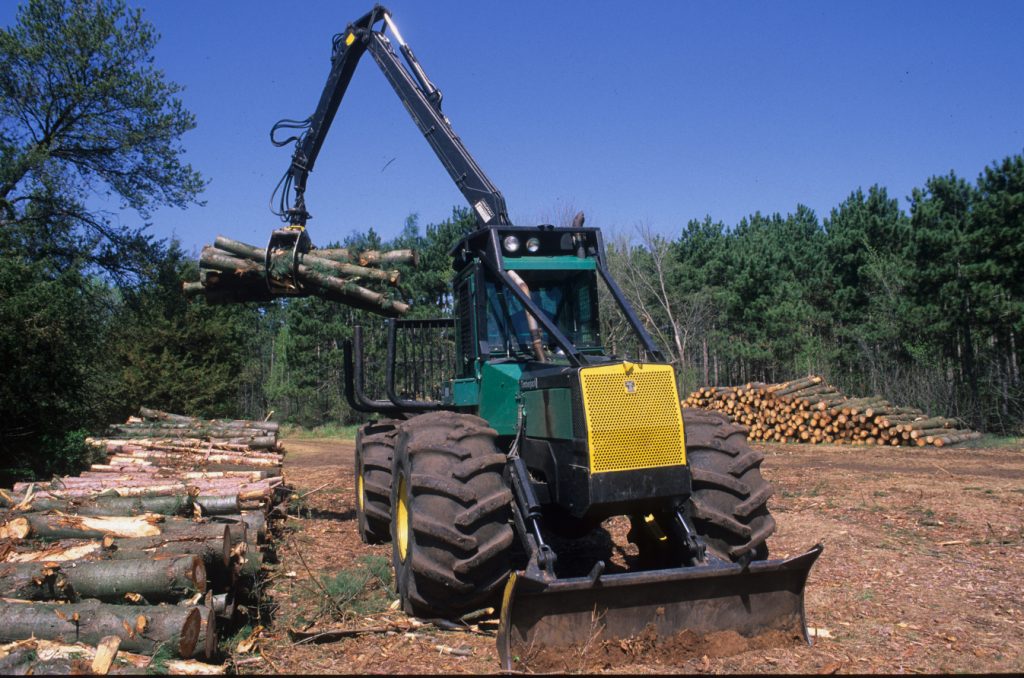
When harvesting timber in northern Wisconsin, loggers often depend on frozen ground to protect the soil, plants, and roots from heavy machinery. As winters warm, the windows for safe timber harvesting are getting shorter and more variable, so they can no longer be tied to specific calendar dates. On the other hand, drier summers may create new windows for safe harvests in some forests.
Extreme rainfall and flooding also create issues for timber harvesting. A heavy rain before a harvest can damage infrastructure like roads and culverts, preventing loggers from accessing harvest sites. A heavy rain after a harvest can increase erosion of the exposed soil, making it harder for the remaining trees and shrubs to thrive.
Which trees and forests are most at risk?
Some tree species and forest communities face greater risks from the changing climate than others. The level of vulnerability of a forest community refers to the likelihood that it will shrink in geographic area, decline in health, or undergo a major change in forest type by the end of the century. Vulnerability depends on both the impacts of climate change as well as the forest’s ability to cope with those impacts.
For example, let’s look at spruce-fir forests, which need cold winters and cool, moist summers. They face negative impacts: too-warm summers, more active insect pests, and more browsing by deer. Their ability to cope (adaptive capacity) is moderate-low: they may be able to handle short-term droughts, and they can regenerate well after fires, but they still need somewhat specific conditions to thrive. As a result, they have a high vulnerability.
The two tables below list the overall vulnerability of the major forest types in Wisconsin. The vulnerability of your woods might be higher or lower than the estimates given here based on your woods’ current health, species and structural diversity, soil quality, and other factors.
Vulnerability of forest types
| Northern Wisconsin Forest Type | Vulnerability to Climate Change |
|---|---|
| Aspen-birch | Moderate-high |
| Jack pine | Moderate |
| Lowland conifers | High |
| Lowland-riparian hardwoods | Moderate-high |
| Northern hardwoods | Moderate |
| Oak | Moderate-low |
| Red pine | Moderate-high |
| Upland spruce-fir | High |
| White pine | Moderate-low |
| Southern Wisconsin Natural Community | Vulnerability to Climate Change |
|---|---|
| Floodplain forest | Moderate |
| Southern hardwood swamp | Moderate-high to high |
| Central Sands pine-oak forest | Moderate to moderate-high |
| Oak barrens | Moderate-low |
| Oak opening | Moderate-low |
| Oak woodland | Moderate |
| Southern dry forest | Moderate |
| Southern dry-mesic forest | Moderate-high |
| Southern mesic forest | Moderate-low to moderate |
Possible vulnerability ratings are low, moderate-low, moderate, moderate-high, and high. Read more about these ratings in the Climate Change Field Guides for Northern Wisconsin and Southern Wisconsin.
We can also rate the ability of individual tree species to cope with climate change based on how much suitable habitat will be available and how abundant and adaptable the species is. In addition to those mentioned earlier, some trees that may struggle in Wisconsin include black willow, eastern hemlock, red pine, pin cherry, and river birch. Some trees likely to continue doing well in Wisconsin include hackberry, black walnut, white oak, red maple, and sugar maple. Also, some species native to more southern forests may be able to gain a foothold here (especially if we plant them intentionally and strategically). For more complete lists, see projections for individual tree species in each region of the state.
What you can do
The problems that our forests face may seem overwhelming—but there are so many things YOU can do in your woods to help. Rather than trying to take on everything, start by picking one or two climate impacts that you care the most about. As you learn more about that issue, begin with small, easy actions and work your way up to bigger actions.
Where to start
To figure out your woods’ current strengths and vulnerabilities, fill out our Woods Health Scorecard (PDF), which also suggests specific things you can do to address the vulnerabilities you find. Based on what you learn, think about whether you want to choose a strategy of resistance (trying to prevent change), resilience (preparing for some change), or transition (pursuing major changes).
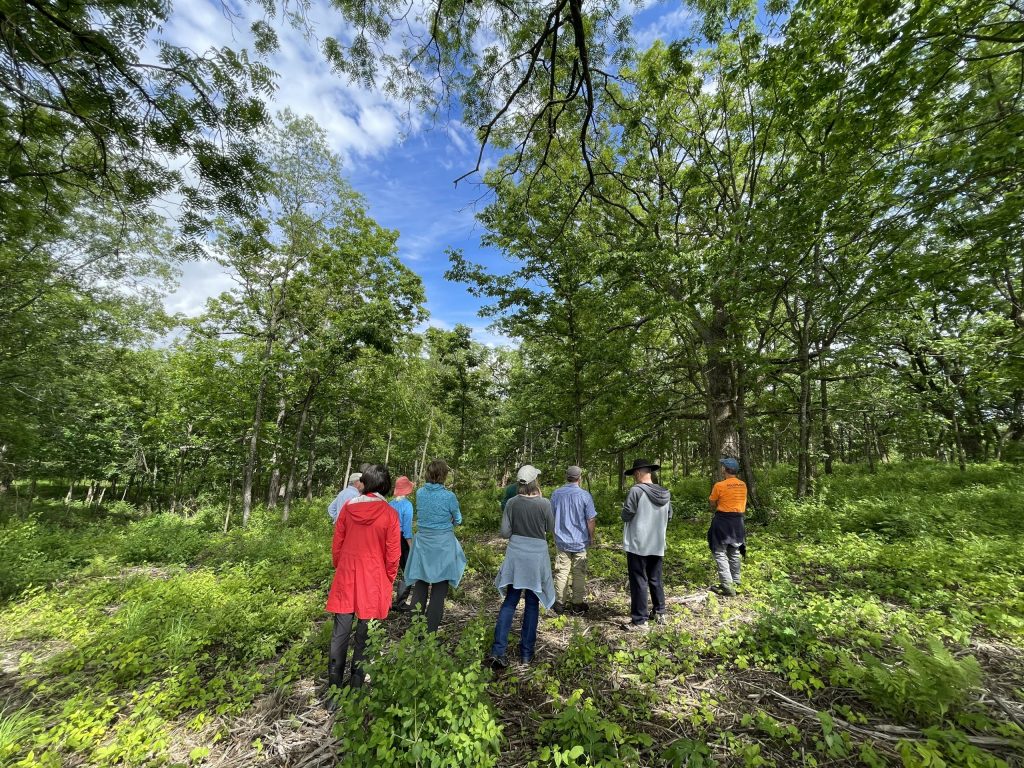
Many solutions boil down to diversity. A woodland with a wide variety of species, sizes, ages, and spacing of trees will be much more resilient to climate stresses than a woodland with just one or two tree species that are all around the same size and spaced evenly. Also, standing dead trees (snags) and downed dead wood provide habitat for wildlife that benefit the health of the whole forest. Managing your woods for diverse shrubs and ground plants can also benefit wildlife and increase resiliency. What can you do to help establish or maintain a diverse ecosystem? What do you want your woods to look like 30 years from now?
For many landowners, a great first step is to ask a DNR forester to walk through your property with you to give their management recommendations. If you’re interested in creating a full management plan, check out our Wisconsin Stewardship Plan Project or get in touch with a cooperating forester. And if you’re ready to get your hands dirty in the woods, controlling invasive plants like buckthorn, honeysuckle, and garlic mustard is a worthwhile goal.
No matter how small your actions are, they matter to the future health of your woodland.
Think in the long term
If you want to make a difference on a larger scale, you can get involved in efforts that will benefit forests across Wisconsin. A multitude of community science projects enable anyone to collect data that will help scientists better understand how our forests are changing. In turn, this knowledge will help land stewards (including YOU) use the most effective management strategies. Depending on your interests and skills, consider contributing to one of the projects listed below.
Community science programs
| Project | Data you collect | How it benefits forests |
|---|---|---|
| TreeSnap | Location and health of trees (ash, hemlock, white oak, American elm, American beech, tamarack, butternut) | Helps understand why some trees are more resistant to diseases and pests than others and leads to better tree breeding programs |
| Wisconsin First Detector Network | When and where you find invasive plants and animals | Finds invasive species when they first arrive in an area, which makes it easier to control them |
| eBird | When and where you see or hear birds and what they’re doing | Reveals migration patterns and population trends so we know which bird species are most at risk and how we can help them thrive |
| Wisconsin DNR Citizen-Based Monitoring (many projects) | Observations of frogs, turtles, deer, bats, rare plants, or other creatures | Helps guide conservation policies and practices in Wisconsin |
| Nature’s Notebook | When trees, other plants, and/or animals show seasonal cues like breaking buds, flowering, and falling leaves (phenology) | Reveals how seasonal patterns are shifting over the years, which can inform the timing of management activities |
Another option to consider is managing your woods for carbon, which is a powerful way to help reduce ongoing changes to the climate. Across the United States, forests already absorb 10-15% of the country’s annual carbon emissions, and you can help make that percentage even bigger. If you have at least 30 acres of wooded land, you may be eligible to enroll in a forest carbon program, which will pay you to manage your woods so that it absorbs more carbon than it otherwise would. Read more about how forests store carbon and explore the forest carbon payment programs available to Wisconsin landowners.
Finally, planting trees is a great way to invest in the future of your woods, ensure that forests stay as forests, and help foster a thriving ecosystem.
This can all be a lot to think about, but fortunately you don’t have to figure it all out alone. Here are some more ways to get assistance:
- Attend our Extension Forestry events or reach out to our forestry educators.
- Apply for cost-share support through the USDA Natural Resources Conservation Service or the Wisconsin Forest Landowner Grant Program.
- Connect with other woodland owners through the Wisconsin Woodland Owners Association or other groups.
- Talk with your neighbors about what they’re doing in their woods!
Additional resources
Wisconsin Initiative on Climate Change Impacts
- Assessment Report: Wisconsin’s Changing Climate (2021)
- Forestry Working Group report (2021) (PDF)
- Forestry Working Group website
- Trends and Projections website
UW–Madison Extension
Wisconsin’s Green Fire
Great Lakes Indian Fish and Wildlife Commission
- Climate Change Program website
- Climate Change Vulnerability Assessment, Version 2 (2023) (PDF)
- Tribal Adaptation Menu (2020) (PDF)
Northern Institute of Applied Climate Science
- Climate Change Field Guide for Northern Wisconsin Forests (2020) (PDF)
- Climate Change Field Guide for Southern Wisconsin Forests (2021) (PDF)
- Protect Your Woods for Tomorrow: A Tool to Assess Risk in a Changing Climate (PDF)
- Projections for Individual Tree Species, Northern Wisconsin and Western Upper Michigan (2021) (PDF)
- Projections for Individual Tree Species, Southern Wisconsin (2021) (PDF)
University of Minnesota Extension
US Forest Service Northern Research Station
If you have feedback on this webpage, fill out this form. If you have questions about the changing climate and your woods, contact:

Keith Phelps
Working Lands Forestry Educator
keith.phelps@wisc.edu
920-840-7504

Scott Hershberger
Forestry Communications Specialist
scott.hershberger@wisc.edu
608-263-5804
Page written by Scott Hershberger and Keith Phelps (UW–Madison Extension). Last updated November 2025.
Additional photo credits:
- Raindrops on red oak leaf: Wisconsin DNR
- Wild geraniums: Scott Hershberger, CC BY-NC 4.0
- Drought-stressed maple leaves: Robert L. Anderson, U.S. Forest Service, CC BY 3.0
- Hemlock woolly adelgid egg sacs on hemlock needles: Wisconsin DNR
- Dead ash trees: Wisconsin DNR
- White-tailed deer: Perkons via Pixabay
- Forwarder picking up logs: Wisconsin DNR