

Home » Learn about Woodland Stewardship » The Changing Climate and Wisconsin’s Forests » Forest Carbon and Wisconsin Carbon Markets
Forest Carbon and Wisconsin Carbon Markets
Forest Carbon and Wisconsin Carbon Markets
Explore the connections between climate and…
Although the changing climate is a global problem, every forest—including yours—can be part of the solution. That’s because trees absorb carbon dioxide from the atmosphere throughout their lives. By stewarding forests with carbon in mind, we can help remove excess carbon dioxide from the atmosphere and reduce the future impacts of climate change.
Depending on your other goals for your land, managing for carbon can be a win-win: the practices that help forests store more carbon are often practices that you’ll want to do anyway to keep your woods healthy. If you want to increase the rate at which your woods capture carbon, we encourage you to talk with a forester about incorporating strategies from this “menu” developed by the Northern Institute of Applied Climate Science into a forest management plan.
You also might be able to make some supplemental income by enrolling in a forest carbon credit program. Explore our webpages below to learn more about how carbon markets work and what to think about if you’re considering signing up for a carbon program.
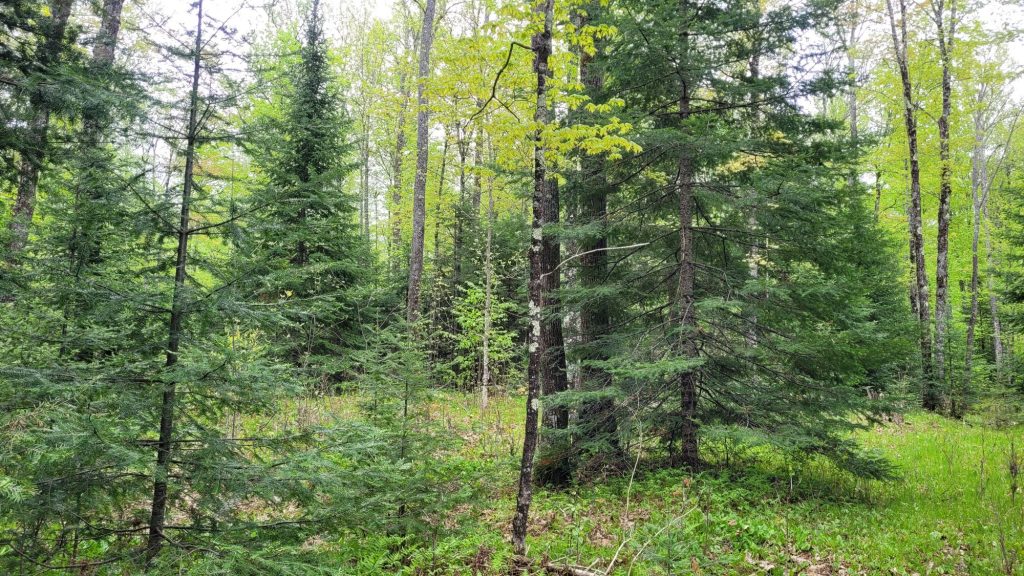
Forest carbon in Wisconsin
Wisconsin forests absorb carbon dioxide as part of their life cycle. As human activities add more carbon dioxide to the atmosphere, forests have become a valuable resource for reducing the impacts of climate change. Explore how forests can capture and store carbon dioxide, plus how to expand the carbon-storing potential of Wisconsin forests.
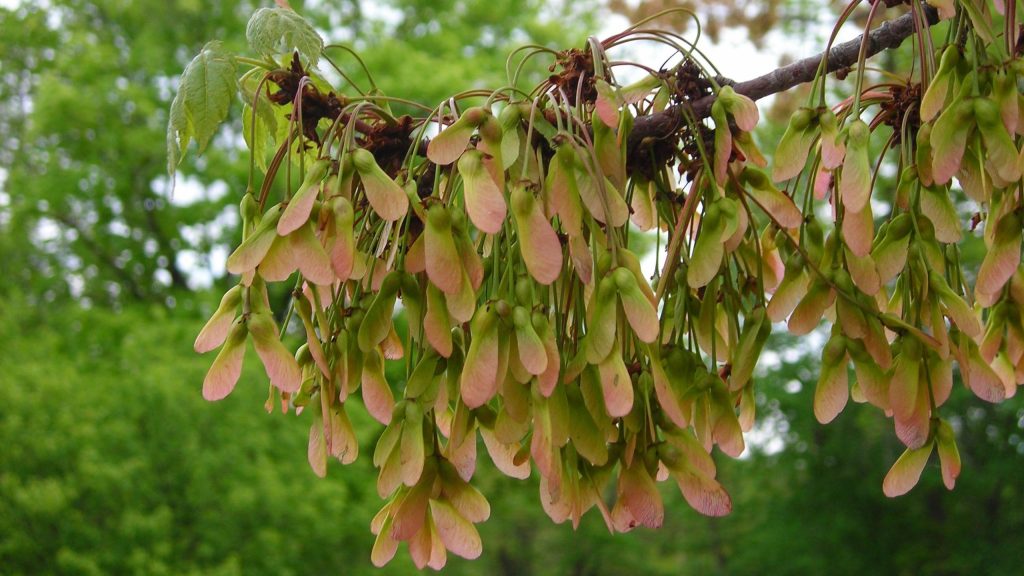
Forest carbon markets
Forest carbon markets are a rapidly developing opportunity for forest landowners to earn income while helping to mitigate climate change by sequestering and storing carbon in their forests. Explore what a carbon market is, the key stakeholders in forest carbon markets, and how they interact with each other.
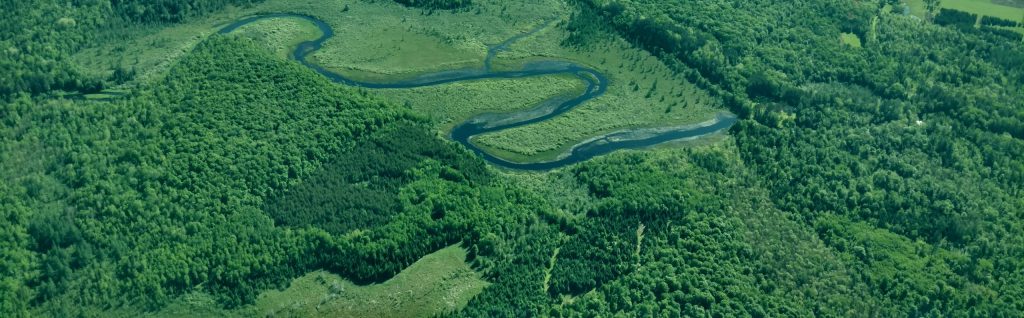
Forest carbon accounting
Wisconsin forests are valuable resources for carbon sequestration and storage, and forest landowners may be able to participate in carbon markets by generating carbon credits through forest carbon projects. Explore how forest carbon is typically measured and understand key terms related to carbon credits and accounting.
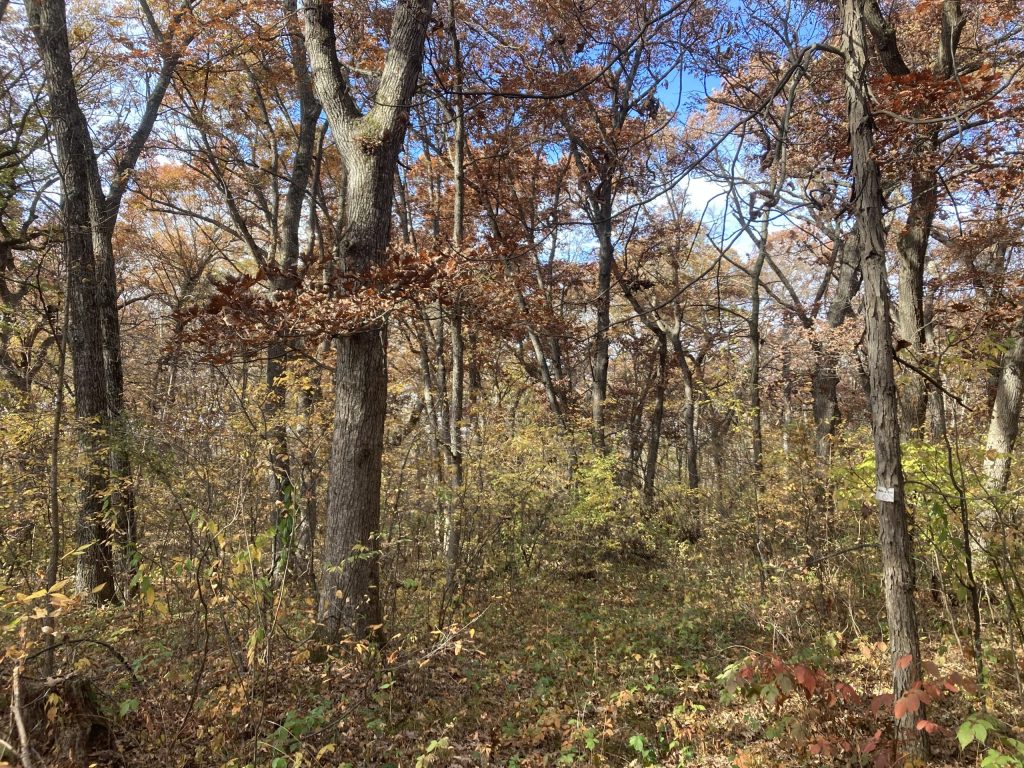
Wisconsin forest carbon programs
A variety of project developers pay forest landowners to participate in voluntary carbon markets. Many developers only work with large landowners, but some programs allow smaller landowners to participate in this burgeoning market and conservation practice with as little as 30 acres of woodland. Learn about three forest carbon programs marketing to small-to-medium-acreage forest landowners in Wisconsin.
What to consider before enrolling in a forest carbon program
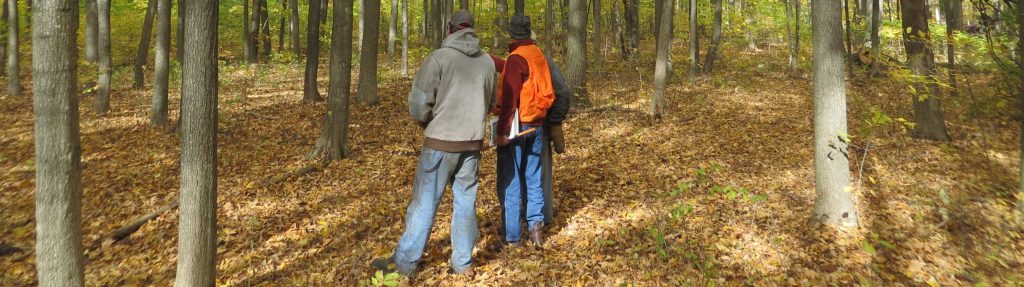
It’s important to be fully aware of the benefits and downsides of the carbon program you may be interested in. Carbon programs align well with some short- and long-term management goals, but may not with others.
Before you enroll, you should consult with a Wisconsin professional forester, who can help you navigate the forest management implications of the program. Make sure that you understand everything in the program contract before signing. Here are a few key questions you can ask a program representative:
- As the forest landowner, what are my responsibilities to manage the existing carbon?
- How will carbon stocks be monitored on my land and how often are carbon inventories performed?
- What is the payment schedule?
- How will payments change if a severe weather event or forest pest results in forest loss?
- If I want to perform a timber harvest, what are the guidelines and how do I get permission from the program?
- Are other forest management activities, like prescribed fire or invasive species removal, not allowed?
- What types of companies will buy the carbon credits associated with my forest?
- What happens if I sell or transfer ownership of my land before the end of the contract?
- What are the penalties for leaving the program before the end of the contract?
- If I have an existing conservation easement, am I eligible?
- If I am part of the Managed Forest Law (MFL) program, am I eligible?
Additional resources
The contents of this webpage are adapted from a series of bulletins produced by the Wisconsin Initiative on Climate Change Impacts Forestry Working Group:
- Bulletin 7 – Forest Carbon Overview (PDF)
- Bulletin 8 – Forest Carbon Markets (PDF)
- Bulletin 9 – Forest Carbon Accounting (PDF)
Here are some other resources you can explore to learn more about forest carbon and carbon markets:
- Wisconsin Department of Natural Resources—Carbon in Wisconsin Forests (2021) (PDF)
- Wisconsin Academy of Sciences, Arts & Letters—Wisconsin’s Forested Lands: Opportunities for Carbon Sequestration and Storage (2022) (PDF)
- Northern Institute of Applied Climate Science—Menu of Adaptation Strategies and Approaches for Forest Carbon Management (2020)
- Securing Northeast Forest Carbon Program—A Guide to Forest Carbon in the Northeast (2024) (PDF)
- University of Massachusetts Amherst and University of Vermont—Forest Carbon: An essential natural solution for climate change (2022)
- Pennsylvania State University Extension—Forest Owner Carbon and Climate Education (FOCCE)
- University of Minnesota Extension—Carbon in Minnesota trees and woodlands (2020)
- US Forest Service—Past and Prospective Carbon Stocks in Forests of Northern Wisconsin (2014)
- Oregon State University Extension—Introduction to Forest Carbon, Offsets and Markets (2023)
If you have feedback on this webpage, fill out this form. If you have questions about forest carbon programs and your woods, contact:

Keith Phelps
Working Lands Forestry Educator
keith.phelps@wisc.edu
920-840-7504

Scott Hershberger
Forestry Communications Specialist
scott.hershberger@wisc.edu
608-263-5804
Page written by Peyton Higgins (Wisconsin Initiative on Climate Change Impacts), Scott Hershberger (UW–Madison Extension), and Keith Phelps (UW–Madison Extension). Last updated February 2026.
Additional photo credits:
- Forest in fall: Stephen Handler, USFS
- Red maple seed clusters: Jeremiah Auer, Wisconsin DNR
- Aerial photo of forest in Lincoln County: Josh Haberstroh, Wisconsin DNR