

Home » Learn about Woodland Stewardship » Agroforestry (Farming with Trees)
Agroforestry (Farming with Trees)
Agroforestry (Farming with Trees)
Integrating trees and shrubs with farming systems can provide many environmental, social, and economic benefits. Potential agroforestry practices include:
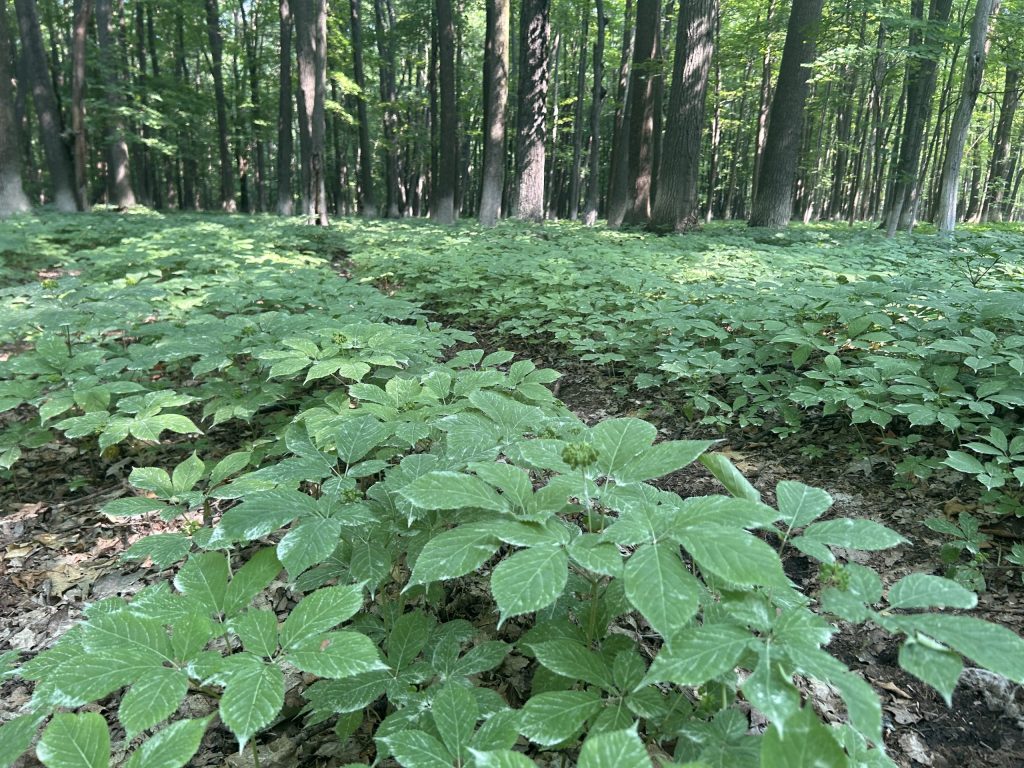
Forest farming
Forest farming is the intentional cultivation of crops such as tree sap, hickory nuts, shiitake mushrooms, fuel wood, and medicinal plants under a managed tree canopy.
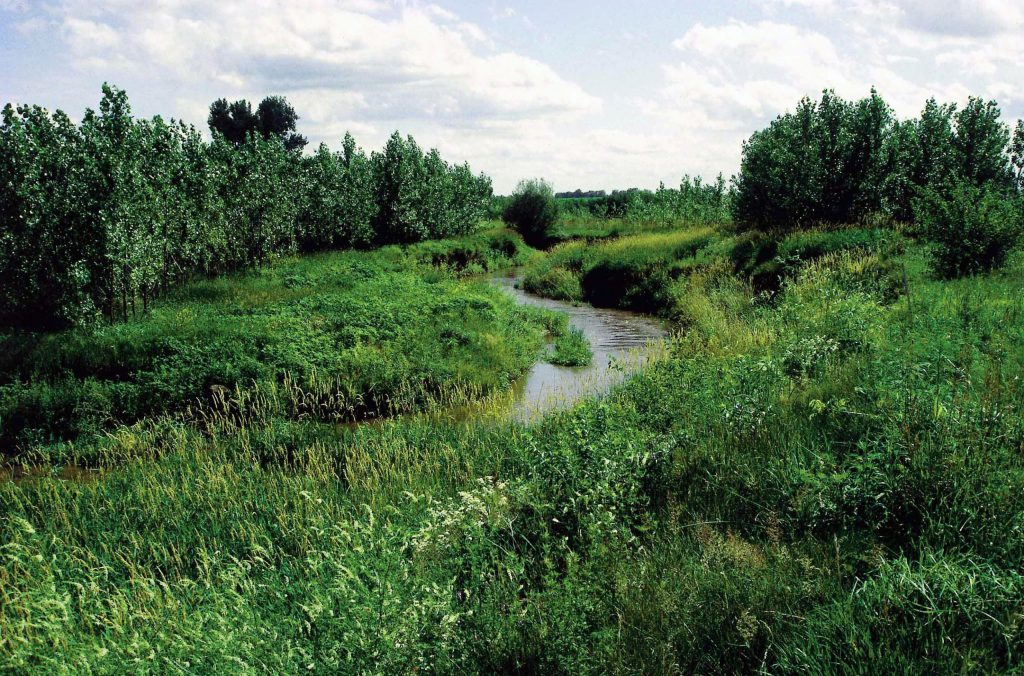
Riparian forest buffers
Riparian forest buffers are trees and shrubs grown next to a body of water for conservation purposes. In many cases, they can also provide harvestable crops.
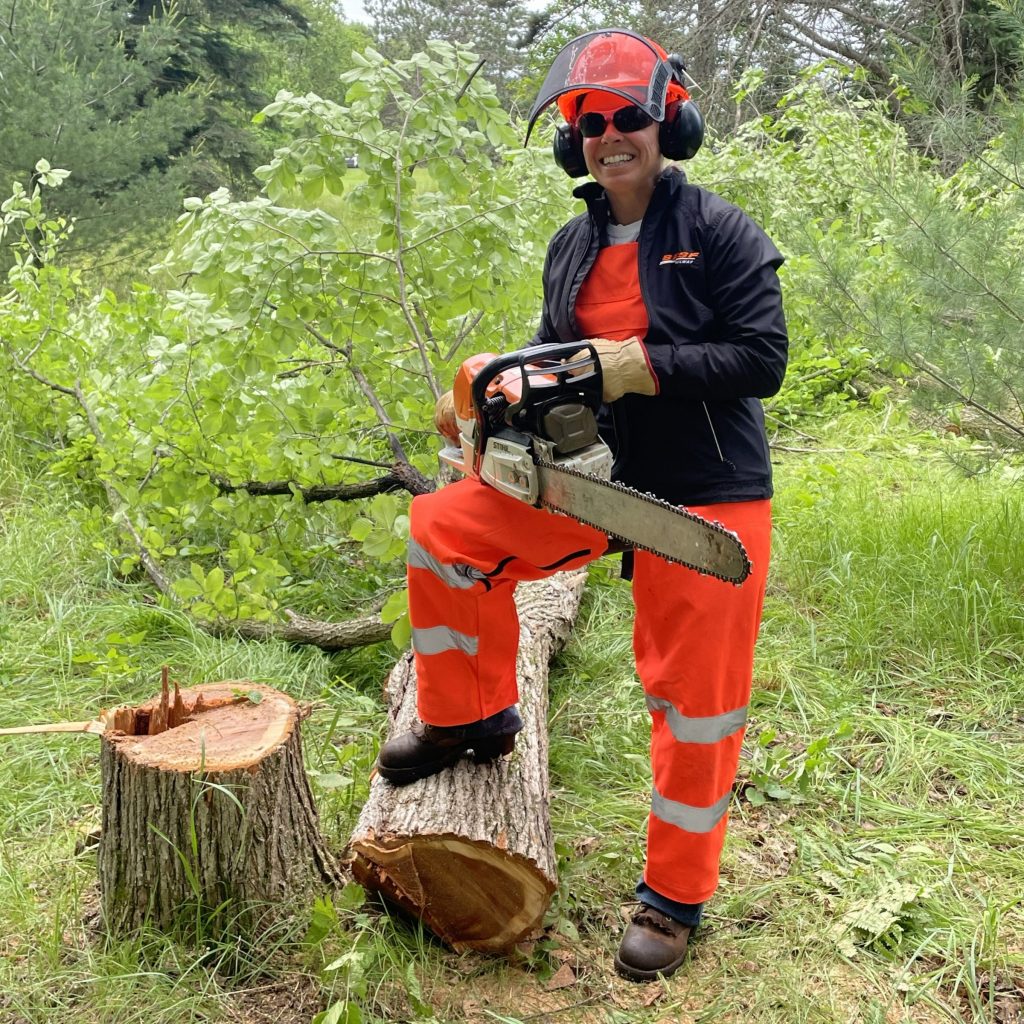
Silvopasture
Silvopasture is the practice of grazing livestock on a landscape with trees. Its benefits include increasing wildlife diversity, improving water quality, and more.
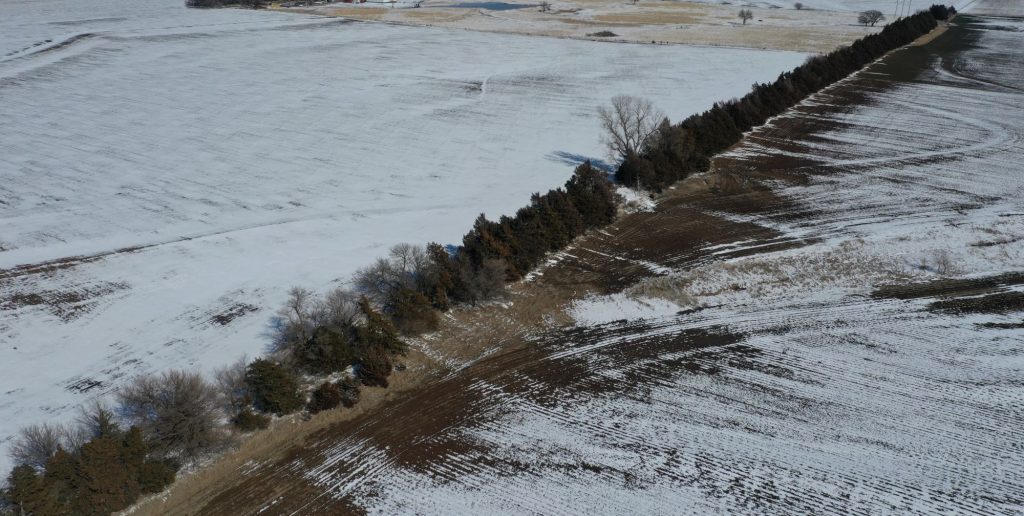
Windbreaks
Windbreaks are rows of trees or shrubs to slow the wind for the benefit of soils, crops, livestock, wildlife, and people. They are a great practice for any property.
Alley cropping
Alley cropping is the practice of growing rows of trees or shrubs in between alleys of crops. It is a great practice for transitioning cultivated fields to perennial crops.
Further reading

If you have questions about agroforestry or feedback on this webpage, contact:

Tony Johnson
Natural Resources Educator
anthony.johnson@wisc.edu
608-386-8900
Page written by Tony Johnson and Scott Hershberger (UW–Madison Extension). Last updated March 2026.
Additional photo credits:
- Aerial photo of windbreak: Ryan Armbrust, Kansas Forest Service, Bugwood.org cropped resized