

Home » Learn about Woodland Stewardship » Protecting Your Investment » Legacy Planning
Legacy Planning
Legacy Planning
This page is under construction. Please check back later for the final public version.
Related webpages
According to a Wisconsin Department of Natural Resources study, about 60% of woodland owners are 55 years or older. About 49% of woodland owners are already retired. Planning for the financial future and long-term care involves your woodland as well. Successful planning for the future of your woodlands can help ease any financial burdens on potential heirs, keep the woodlands intact, and preserve your legacy for future generations.
Kris will write something distinguishing legacy planning from estate planning
This webpage is for informational purposes only and is not intended to provide legal or tax advice. We encourage landowners to discuss taxes and legal considerations with an accountant, attorney, or other professional.
Step 1: Commit to beginning the process and to keep moving forward
Having an estate plan does not ensure that woodland dreams will be continued, nor does it ensure family peace and harmony in the future. However, engaging family in a legacy planning process goes a long way to ensuring a more successful transition of property to the next generation.
Step 2: Determine your family assets
It is important to provide family and professionals with all the information necessary for making important decisions. Is there a remaining mortgage payment? What are the annual property taxes? Is there potential income from timber sale or other uses from the property? Is the woodland enrolled in the state Managed Forest Law program? Provide copies of any forest management plans and maps of the property. Be realistic about the costs and income from the woodlands.
Step 3: Write down goals for your land and family
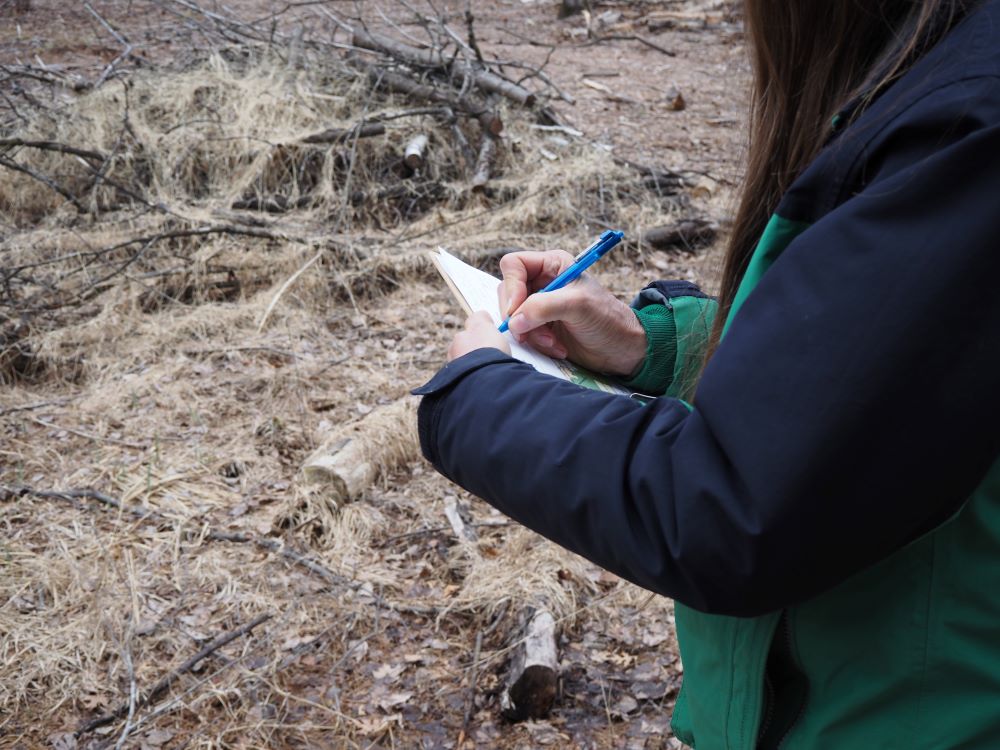
With family and professionals, clarify the goals for the property and life. Take into account any potential external circumstances that may influence decisions about the woodlands. For example, it is possible that some family members may not be able to afford the woodlands. Also, family members may have unequal interest in retaining ownership of the woodland. Many of these goals and objectives may define how the property is owned in the future.
Step 4: Hold a family meeting
With the fast pace of life, regular family meetings are important to carve out time to discuss the future of the woodlands. Bring family together around a clear agenda, at a neutral time and space, to discuss decisions and actions that need to happen to both finalize the legacy and estate plan and ease the transition from one ownership to the next.
Step 5: Create and gather essential documents
Before hiring professional advisors, start gathering important documents in one place. This might include woodland management plans, tax assessments, leases, wills, and other business documents (trusts, LLC, etc.).
Step 6: Decide who should be on your legacy planning team
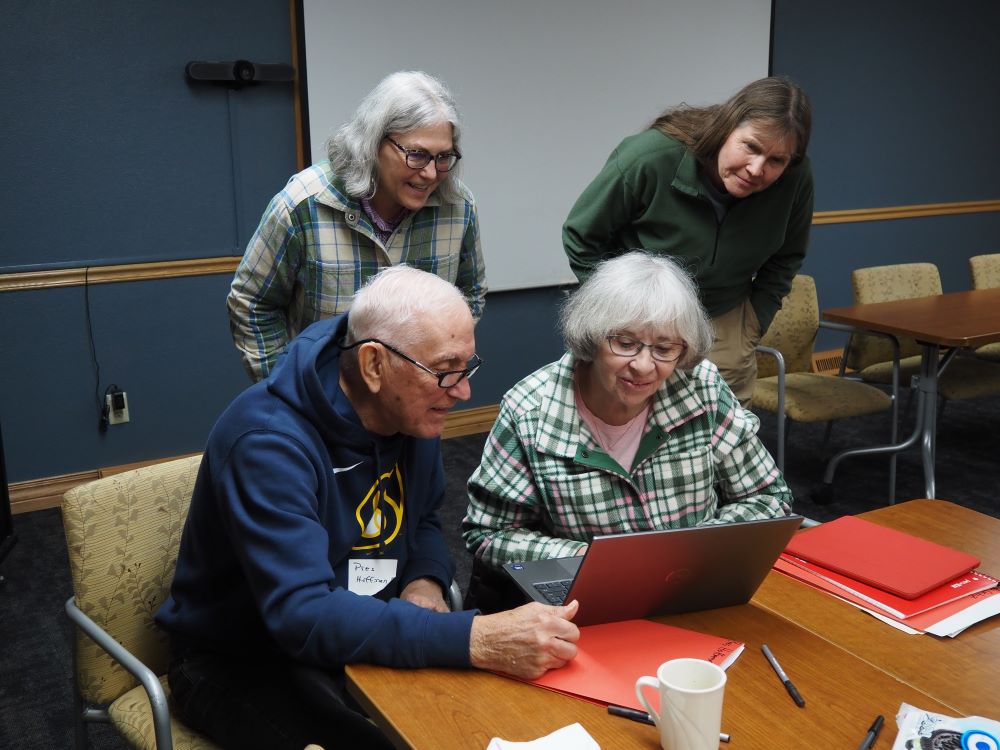
Determine and write down your legacy planning team. This may include an attorney for any estate issues and legal documents, a financial planner to help determine your future financial considerations and needs, and a forester for management assistance and understanding the forest resource. You may also want to consider a land trust, if land donations or easements are of interest, and a mediator, if family relationships need coaching.
Step 7: Explore the legal, financial and conservation tools available to meet your goals
There are a variety of ownership options, including business structures (partnerships, LLC, corporations), gifting the property over time, land trusts, conservation easements, and living trusts, to name just a few. The publication Estate Planning for Forest Landowners (PDF) includes an in-depth section on forms of business organization and forest land ownership.
Step 8: Provide opportunities for your family to learn about and enjoy your woods
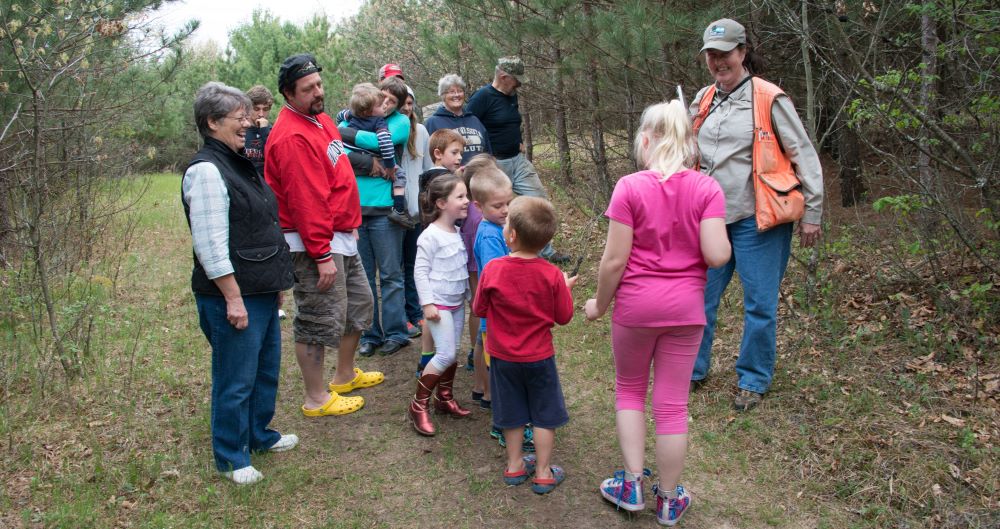
It’s hard to love something that is unknown. Sharing the passion for the land and creating opportunities for family to enjoy the woodlands should begin at an early age and incorporate regular outings. Be sure to include all family members, regardless of age, in conversations about ways to engage with the land—and then make them happen!
Step 9: Finalize your succession plan and revisit your plan on a regular basis
A plan is never truly complete, since it should be revisited and changed as situations and family change—but a first draft is a big success. Get it written down, store everything together in one place, and revisit it often to address any necessary changes.
Additional resources
- Protecting Your Legacy: A Wisconsin Landowner’s Guide to Conservation-Based Estate Planning (UW–Madison Extension, 2019) (PDF)
- Your Family Land: Legacy or Memory? An Introduction to the Family Land Protection Process (US Forest Service, 2008) (PDF)
- Estate Planning for Forest Landowners: What Will Become of Your Timberland? (US Forest Service, 2009) (PDF)
- Family Estate Planning in Wisconsin (UW–Madison Extension, 2011) (PDF)
- Preserving the Family Woods: Tools to Help Guide Transfer to the Next Generation of Landowners (US Forest Service, 2009) (PDF)
If you have feedback on this webpage, fill out this form. If you have questions about legacy planning, contact:

Kris Tiles
Forestry & Wildlife Program Manager
kris.tiles@wisc.edu
715-261-1254
Page written by Kris Tiles (UW–Madison Extension). Last updated April 2026.