

Event Information
Date
October 22nd, 2026
Time
9:00am - 12:00pm
Contact
Olivia Kovacs
Phone
608-509-3012
This event is a field day on Thursday, October 22 from 9:00am–12:00pm.
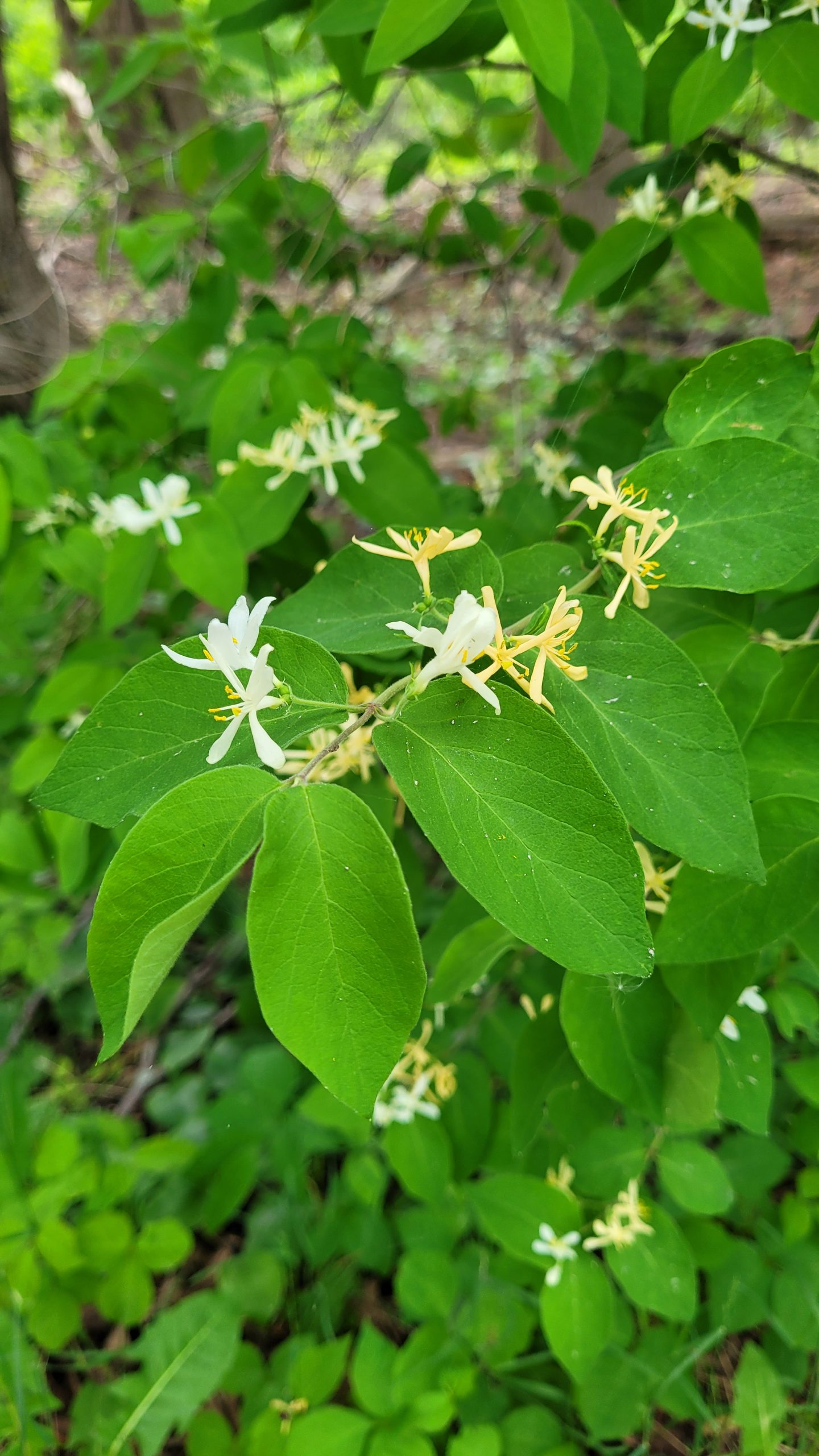
Join us for a hands-on field day designed for landowners who want to build their skills in invasive plant identification and management. Learn to identify then learn (hands on) how to apply herbicide to these species. Space is limited– register now!
UW-Madison Extension Forestry is partnering with Sauk County Land Resources and Environment, the Upper Sugar River Watershed Association to teach landowners effective and practical herbicide management techniques. Participants will learn how to recognize common invasive plants found in Wisconsin woodlands and understand the impacts these species can have on forest health and native plant communities. The program will also introduce a variety of control methods, with a focus on herbicide application techniques commonly used to manage invasive plants. Demonstrations may include foliar spray, cut-stump, and basal bark treatments, along with information on when each method is most effective.
If you are just getting started with invasive species management, this workshop will provide practical knowledge and resources to help you confidently take the next steps on your property.
Participants will learn:
- How to identify common invasive plants
- The impacts invasive plants can have on woodlands and wildlife habitat
- The advantages and limitations of different control methods
- Basic herbicide application techniques and best practices
- Resources to support invasive plant management on their property
Please dress for the weather and be prepared to spend time outdoors. Please come wearing work clothing (long pants and long shirt), work boots, work gloves (if you have them), and eye protection (if you have it). Please note this is an outdoor event and understand we will be working and hiking in woodlands with uneven terrain.
Location
In Person
Sauk County Farm
S4555 Co Rd CH, Reedsburg, WI 53959
Session details
The day will be broken into three segments, with time at each station:
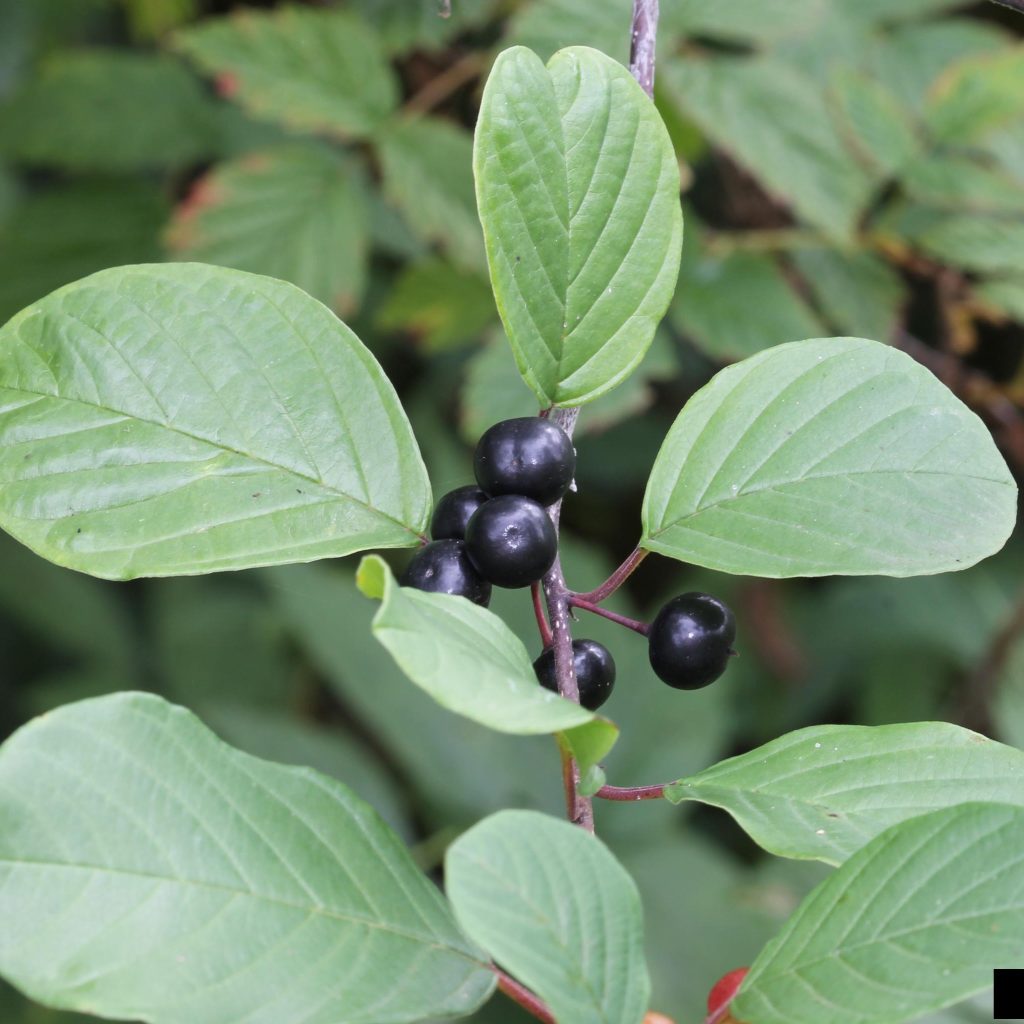
Invasive Plant Identification
Learn how to identify common invasive plants found in Wisconsin woodlands by examining key characteristics, growth habits, and look-alike native species. Participants will gain hands-on experience identifying invasive plants in the field.
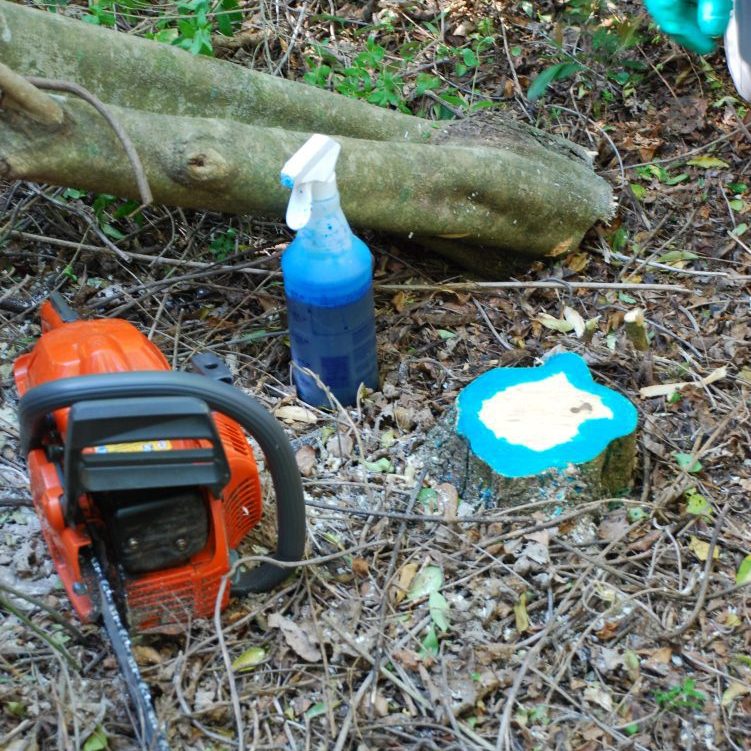
Herbicide Application Methods
Explore the most common herbicide application techniques used to manage invasive plants, including foliar spray, cut-stump, and basal bark treatments. This session will cover when each method is appropriate, as well as best practices for safe and effective herbicide use.
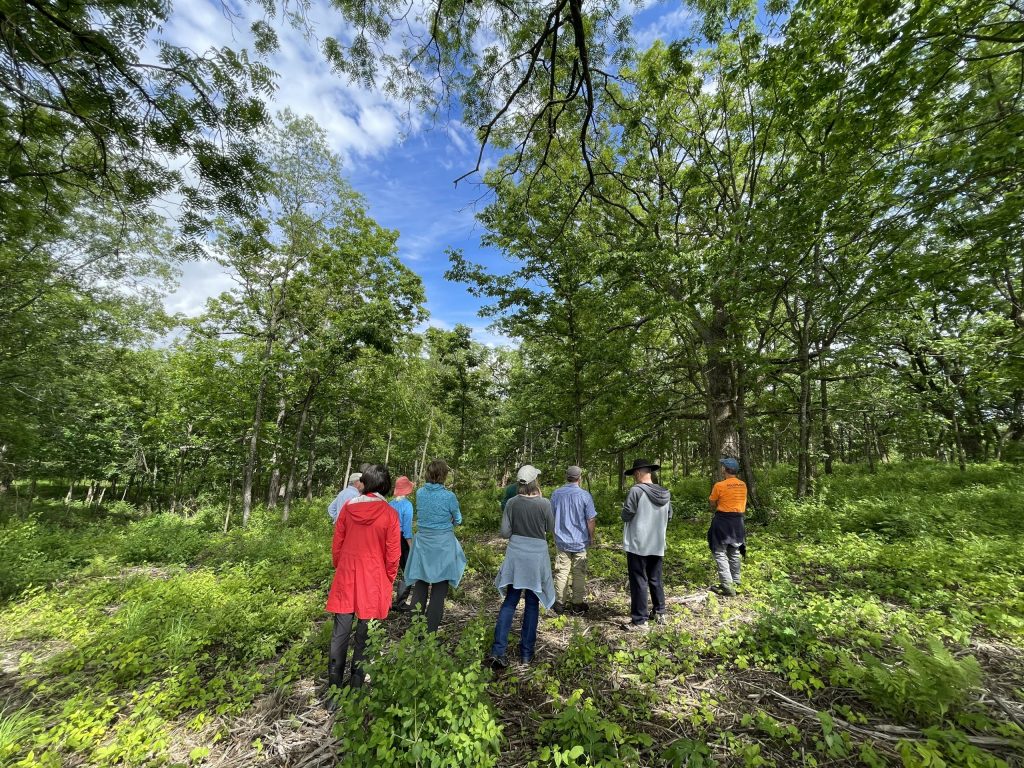
Invasive Plant Impacts on Forest Health
Discover how invasive plants affect forest regeneration, wildlife habitat, biodiversity, and overall woodland health. Participants will learn why early detection and management are important for maintaining healthy forests and achieving long-term landownership goals.
You may request an interpreter, materials in an alternative language and/or format, accommodations for hearing or visual impairment, accommodations for physical mobility considerations, and/or other services to make this event more accessible. Contact information is listed at the top of this webpage. Please make requests as early as possible prior to the program so that proper arrangements can be made. There is no added cost to you for these services.